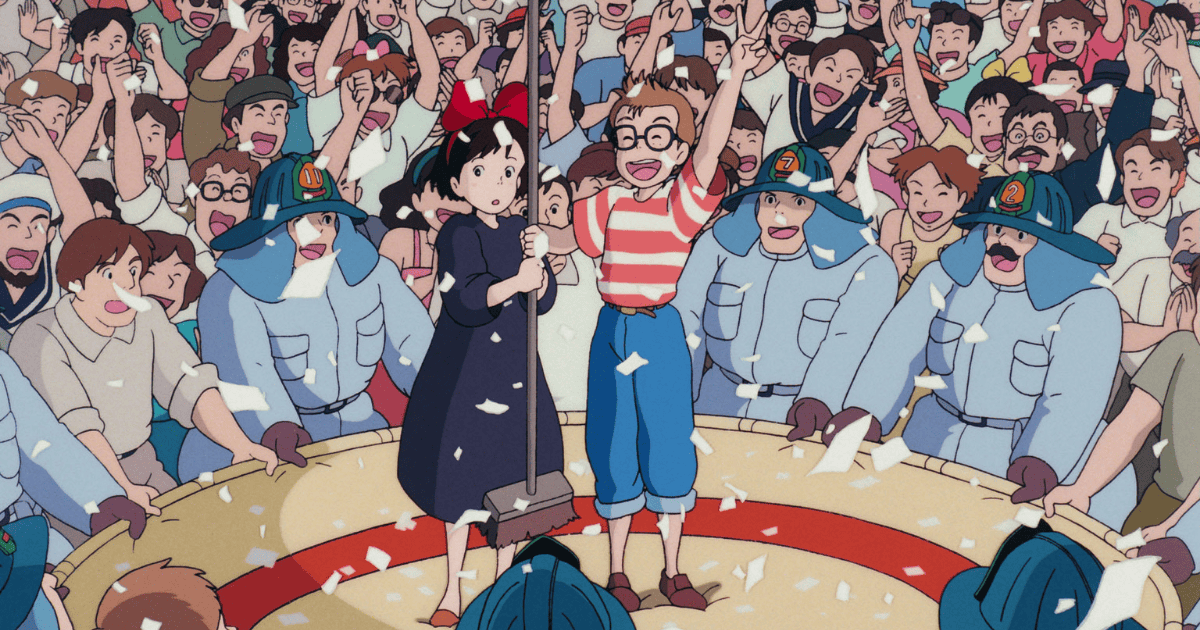
Leaving home at thirteen to survive entirely on your own in a massive, indifferent city is a terrifying prospect. Hayao Miyazaki’s 1989 masterpiece, Kiki’s Delivery Service(Studio Ghibli Official), captures the breathtaking highs and crushing lows of this universal coming-of-age journey through a cast of incredibly rich, deeply flawed, and profoundly human characters.
Today, we are going to look past the beautiful animation and catchy music to deeply psychoanalyze the residents of Koriko. From the pragmatic genius of Osono to the potentially dark, passive-aggressive reality of Madame’s famous herring pie, what kind of people actually populate Kiki’s world?
Please be warned: this deep-dive character guide contains major spoilers for the entire film.
*This is a translated version. The original (Japanese) is available here.
On this pageContents
Kiki’s Delivery Service (1989) Main Characters & Voice Actors List
| Name | Age | Voice Actor (English Dub) |
|---|---|---|
 Kiki | 13 | Kirsten Dunst |
 Jiji | 13 | Phil Hartman |
 Kokiri | 37 | Kath Soucie |
 Okino | 40 | Jeff Bennett |
 Tombo/Kopori | 13 | Matthew Lawrence |
 Senior Witch | ?[1] | Debi Derryberry |
 Osono | 26 | Tress MacNeille |
 Fukuo (Osono’s Husband) | 40 | John Hostetter |
 Ursula | 18 | Janeane Garofalo |
 Madame | 70 | Debbie Reynolds |
 Madame’s Granddaughter | Unknown | Sherry Lynn |
 Maki | Unknown | Julia Fletcher |
 Man with Push Broom | Unknown | Jeff Bennett |
- [1]
- Based on the senior witch’s boast that her “training will be over soon,” we can safely deduce she is at least 14 years old. Additionally, many critics argue that the core female characters in Kiki’s Delivery Service collectively represent the different life stages of “one woman.” Since Ursula is 18, it logically places the senior witch somewhere between 14 and 17 years old.
Kiki’s Delivery Service (1989) Character Map
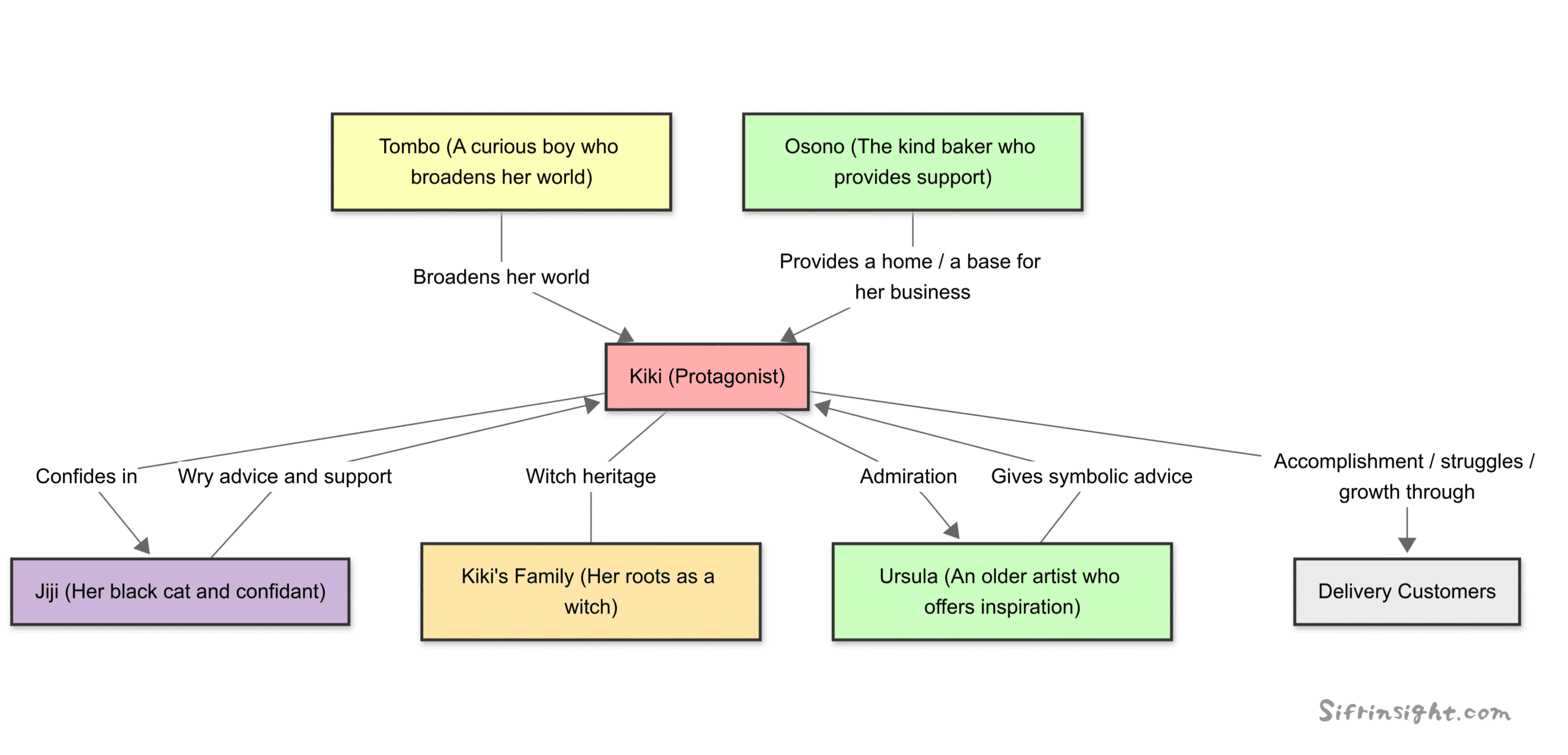
As is tradition for young witches, 13-year-old Kiki leaves the comfort of her family to find a new city to settle in. Through a stroke of luck, she establishes her own delivery business while lodging at a bakery owned by Osono, a brilliantly resourceful woman she meets by chance.
▼ Discover the lines that define these characters
Kiki, Jiji, Tombo, Osono, Ursula, and Madame’s granddaughter reveal much of their personalities through a handful of memorable lines. Compare their original Japanese dialogue with the English subtitles, literal translations, and dub wording in our guide to 15 memorable Kiki’s Delivery Service quotes.
Kiki’s Delivery Service (1989) Deep Character Profiles and Analysis
Kiki | Voiced by: Kirsten Dunst
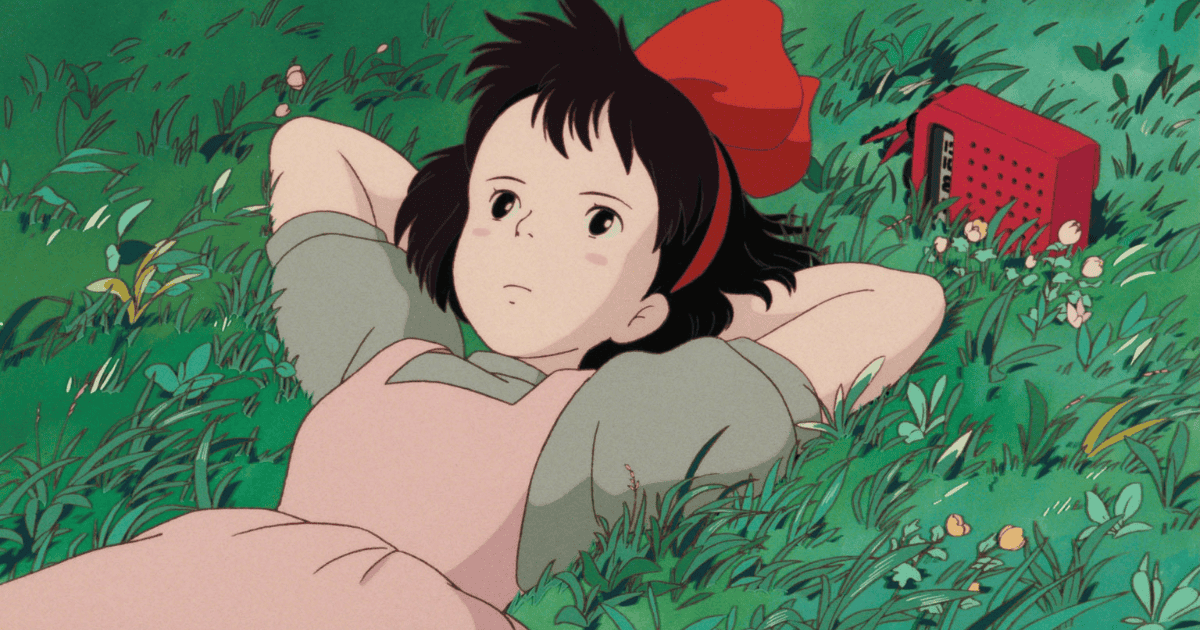
The Vulnerable Protagonist
The protagonist of our story is an eager 13-year-old girl. Honoring an ancient “witch’s custom,” she tearfully leaves her parents to embark on a mandatory journey to find “her own town.”
Armed with her mother’s sturdy broom, she arrives in a breathtaking “town by the sea.” However, the welcoming parade she vividly imagined doesn’t exist. Instead, she is met with the cold apathy of city traffic and almost gets arrested by the local police for losing control of her broom.
Just when she hits rock bottom on her very first day, a true “goddess of fate”—a pregnant baker named Osono—appears to throw her a vital lifeline.
The Miracle of Finding a Base
Ultimately, Osono takes a liking to Kiki, allowing the young witch to secure a physical base of operations in the massive city. This doesn’t mean Kiki’s struggles are over; they are just beginning. But securing a safe place to sleep and shelter from the rain on day one is an incredibly rare, miraculous victory.
We have to ask ourselves: does every 13-year-old witch in this universe stumble upon someone as generous as Osono? Is it normal to find free housing on the very first night?
The probability is never zero, but realistically, most young witches face a brutal, lonely reality. At 13, surviving a hostile environment alone is a nightmare.
So, how did all the other witches throughout history survive their “custom”? I unpack the grueling reality of these young girls in another article:
Read the full analysis: The Brutal Reality Behind the Snooty Senior Witch
Understanding this historical struggle explains perfectly why the senior witch Kiki meets in the sky had to be portrayed as such a cold, “unpleasant person.”
The Real Reason Kiki Lost Her Magic
The most devastating incident in Kiki’s Delivery Service occurs when Kiki abruptly loses her ability to fly. For a girl whose entire identity and livelihood rely on this singular special skill, being grounded is an existential crisis.
This massive psychological block is explicitly triggered by two consecutive traumas:
- The heartbreakingly ungrateful “Herring Pie” delivery incident.
- The agonizing wave of inferiority she feels upon meeting Tombo’s stylish friends.
But *why* did these specific incidents drain her magic?
The hard truth is that the question itself is flawed. Kiki didn’t “lose” her immense power—her power was actually quite weak to begin with.
When she left home, she was riding the high of being “unbeatable in her hometown,” fueled entirely by a “baseless sense of invincibility.” As long as she stayed in her tiny village, she was an exceptional talent. But the cruel reality of adulthood is that raw, inherited talent becomes functionally worthless the moment you step into the real world.
She had to offer society a tangible value beyond simply being a “hometown prodigy.” And doing that is agonizingly difficult.
Because Kiki miraculously met Osono, she was able to launch a “delivery service,” but opportunity does not guarantee success. The “easy path” Miyazaki laid out for Kiki abruptly ends right there.
Through those two traumatic incidents, Kiki violently crashed into the reality of her own “powerlessness.” Being “powerless” means realizing that everything you have accumulated up to this point is insufficient to survive your current problem.
That is exactly why Kiki could no longer fly effortlessly. She finally gained the self-awareness to realize that the altitude she previously believed was “high” wasn’t actually high at all. She was violently shoved into a phase where she had to completely relearn her craft, fail, and build authentic strength from scratch.
Witches leave home at 13 precisely to suffer through this exact realization. Because what initially looks like a breathtaking natural talent is rarely enough to sustain an entire life.
Viewed through this psychological lens, Kiki’s Delivery Service is profoundly a manifestation of Director Hayao Miyazaki’s personal “theory of talent.” Miyazaki, a generational genius who utilized his own rare gifts to their absolute limits, intimately understands the agony of creative burnout.
This makes the intimate, fireside dialogue between Ursula and Kiki the absolute thematic core of the story.
In essence, Kiki was learning how to survive the terrifying realization that her natural gifts were no longer enough. And that philosophy perfectly mirrors Hayao Miyazaki’s own obsessive creative process.
To summarize: Kiki couldn’t fly because she collided with the limits of her unearned childhood talent. She was finally forced to view herself objectively within the vast, indifferent ocean of the real world.
Jiji | Voiced by: Phil Hartman

Jiji’s Basic Information
Kiki’s sarcastic, deeply loyal feline partner. A mysterious black cat who perfectly understands and speaks human language. He is an excellent confidant, but at the exact moment Kiki loses her ability to fly, Jiji permanently loses his human voice. Even after the film’s climax, he never speaks to her again, seemingly content living a normal “cat life” with his new feline family.
The Final Mystery: Why Did Jiji Stay Silent?
It makes narrative sense that Jiji stopped speaking when Kiki’s magical power faded. The standard interpretation is that Jiji wasn’t actually speaking human language, but rather Kiki was simply translating his “cat language” via her magic. This perfectly aligns with Kiki crying, “I can’t understand Jiji’s words anymore!” However, accepting this theory creates two glaring plot holes:
- It contradicts the explicit, established lore that a witch’s only special skill is “flying.”
- It creates a massive contradiction at the end: why can’t she understand him after she heroically regains her magic?
If we reject the translation theory, it implies Jiji was genuinely speaking human language. But he is a cat. So, what is really going on?
To solve this, we must look at the psychological clues Miyazaki deliberately planted:
- No one in the entire film ever witnesses Kiki and Jiji having a conversation.
- Jiji, a living, breathing cat, miraculously manages to act exactly like an inanimate stuffed animal.
Although Jiji is wildly eloquent, he only ever speaks when he is entirely alone with Kiki. The moment a third party enters the room, he goes completely silent.
Furthermore, the sequence where a living cat flawlessly mimics a lifeless plush toy defies all logic. Is such a physical feat possible? Absolutely not! So, what does this surreal sequence symbolize? I break down the heartbreaking, psychological truth of Jiji’s existence in the deep dive below:
Read the full analysis: The Beautiful, Heartbreaking Reason Jiji Never Speaks Again
Kokiri | Voiced by: Kath Soucie
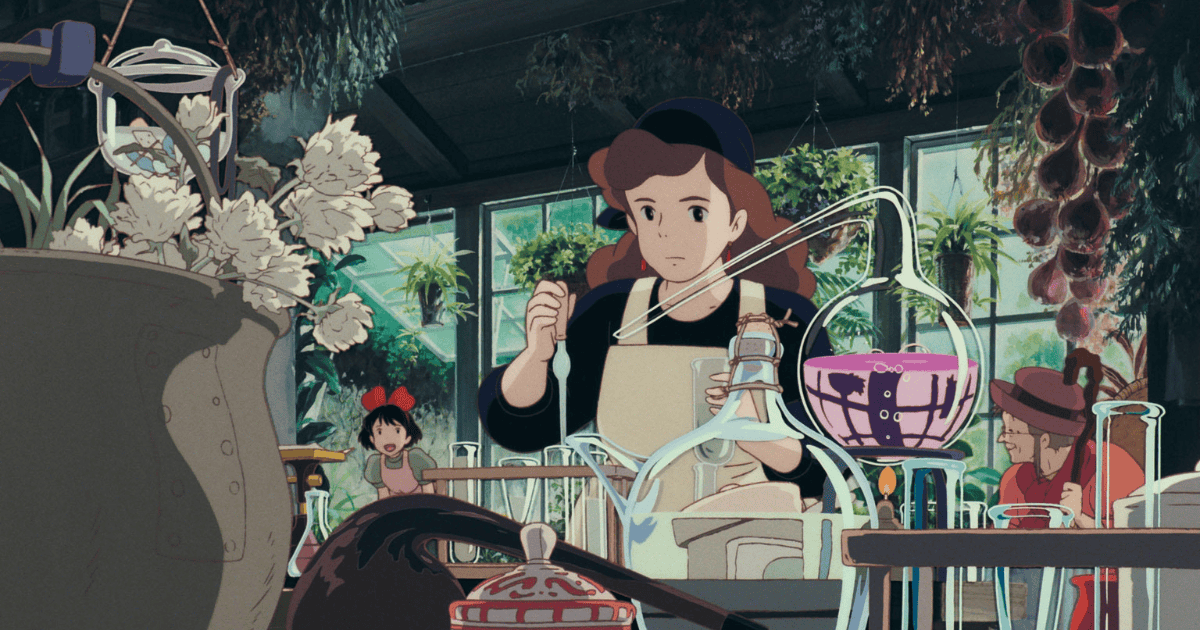
Kokiri’s Basic Information
Kiki’s mother. Although her screen time is incredibly brief, she effectively triggers the entire narrative progression of the film by executing one essential action: forcing Kiki to take her old, massive broom.
The Symbolism of the Mother’s Broom
As is common in Miyazaki’s cinema, moments that seem totally mundane on the surface hide profound philosophical weight when you analyze them.
The scene where Kokiri forces her own broom upon Kiki is one of those moments.
While we instinctively accept the scene as normal mother-daughter bickering, viewing it critically exposes the thematic core of the movie.
Kiki demanding to leave on a flimsy broom she made herself perfectly captures the arrogance of youth—her inability to assess her own skill level, her ignorance of the world’s vastness, and her “unfounded sense of invincibility.” The tradition of leaving home exists precisely to crush this “childish pride,” which Kiki conceptually understands. Yet, her action—insisting on a handmade broom—is a dangerously misguided manifestation of independence.
Kiki mistakenly believed that relying on her parents’ tools would somehow invalidate her independence. Her logic makes adolescent sense, but she falls into the classic human trap of prioritizing the method over the actual goal. Without realizing it, she was intentionally handicapping herself, volunteering to start the game of life on “Hard Mode.”
Kokiri, however, deeply understands the brutal reality of the witch’s “custom.” Leaving home at 13 to conquer an unknown city is a terrifying, nearly impossible task.
You have no idea what kind of city you will stumble into. It isn’t always a picturesque coastal town. A savior like Osono might not exist there. And even if she does, you might never meet her.
Because Kiki is blind to the sheer terror of this journey, she arrogantly tries to leave on her own merit. Because Kokiri understands the terror intimately, she forces her historically proven, reliable broom into her daughter’s hands, essentially saying, “At least take this massive head start!”
In other words, the broom Kokiri gives Kiki is a literal manifestation of “the wisdom of our predecessors.”
Youth is defined by the arrogant belief that relying on generational wisdom is a weakness. But true maturity is learning to utilize every tool available to you. It is not a bad thing to accept a head start.
Okino | Voiced by: Jeff Bennett
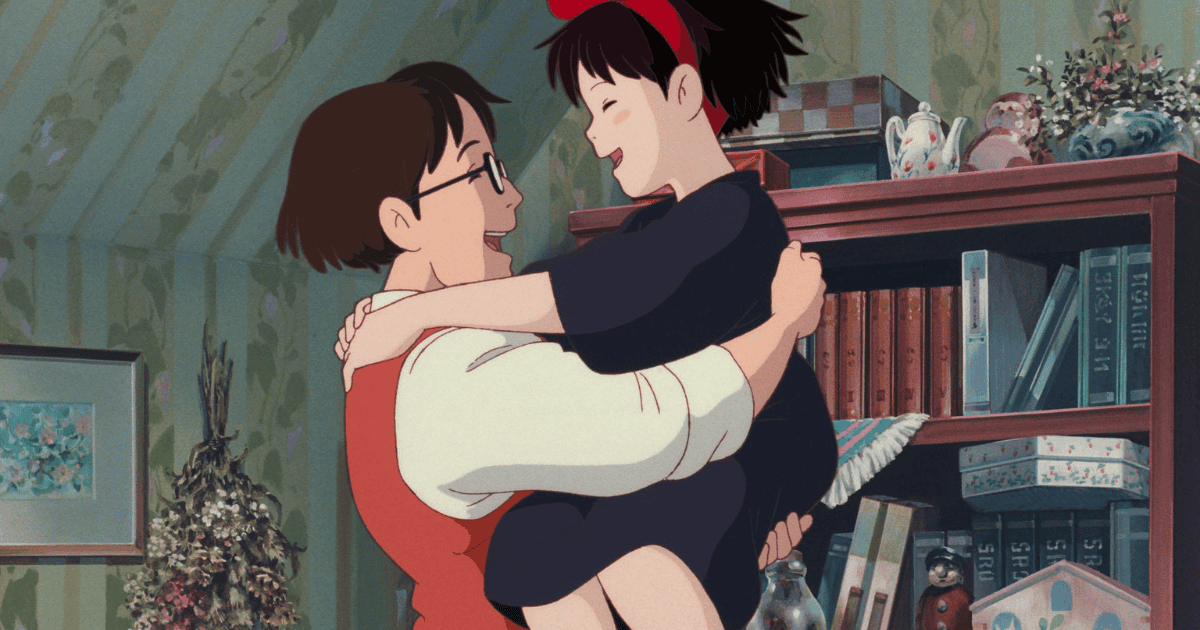
Okino’s Basic Information
Kiki’s father. He strongly resembles the endlessly patient father from My Neighbor Totoro, but with every ounce of potential “toxicity” or academic neglect removed. In many ways, his defining trait is his utter lack of defining traits.
However… his profound humanity is revealed simply by his marital status: he is the human husband of the witch Kokiri.
Through Kiki’s journey, we learn exactly how “witches” are viewed by normal society. People acknowledge they exist (which is wild in itself), but they certainly don’t revere them. In fact, many view witches as a bizarre nuisance. And understandably so—they fly recklessly through traffic and disrupt the normal flow of society.
So, what kind of man actively pursues and marries a woman like that?
I genuinely believe he was a man exactly like Tombo.
To frame it positively, both Okino and Tombo are “visionaries who exist slightly outside the boundaries of common sense, capable of seeing a person for exactly who they are.”
To put it bluntly: they are both “weirdos.”
But anyone capable of standing confidently beside a woman with immense, unnatural talent usually has to be a little “weird” themselves. While he seems incredibly plain on the surface, I suspect Okino is just as eccentric and fascinating as Tombo.
Tombo | Voiced by: Matthew Lawrence
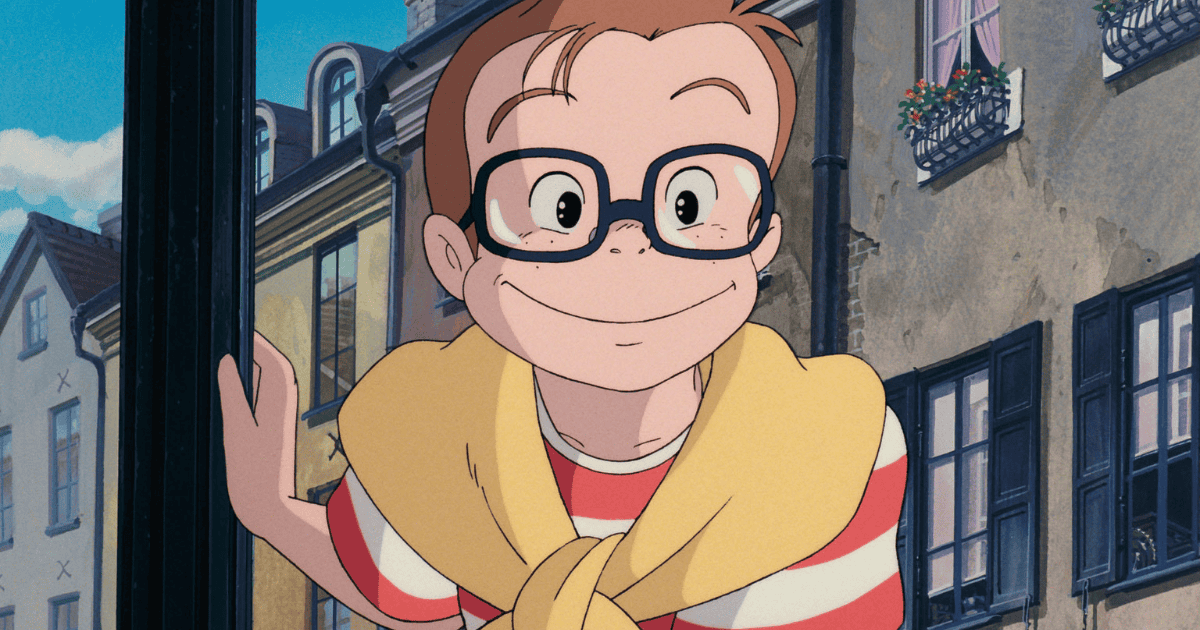
Tombo’s Basic Information
The aviation-obsessed local boy. He secures his place in Kiki’s life early on by saving her from a very strict traffic cop by simply shouting, “Thief!” to create a distraction.
Armed with a relentlessly positive personality and a massive, diverse social circle, he becomes Kiki’s very first genuine “friend” in the big city.
The Double-Edged Sword of Friendship
While Tombo’s boundless curiosity provided Kiki with a desperately needed peer connection, he was far from a completely “safe zone” for her fragile ego.
Unlike the simple, rural friendships of her childhood, Tombo navigates a complex hierarchy of stylish, affluent city friends that Kiki fundamentally cannot comprehend. While this social dynamic is perfectly normal for him, exposing Kiki to this reality violently amplified her own sense of rural alienation and deep loneliness.
Yet, through the pain of feeling inferior, Kiki was forced to confront her own petty insecurities. She had to navigate an emotional crisis that her childhood “savings account” couldn’t fund.
By conquering this jealousy and insecurity, Kiki regains her power to fly. And in the beautiful ending sequence, we see Kiki happily utilizing Tombo as a social hub to expand her own network of friends.
Tombo, you absolutely nailed it.
Senior Witch | Voiced by: Debi Derryberry
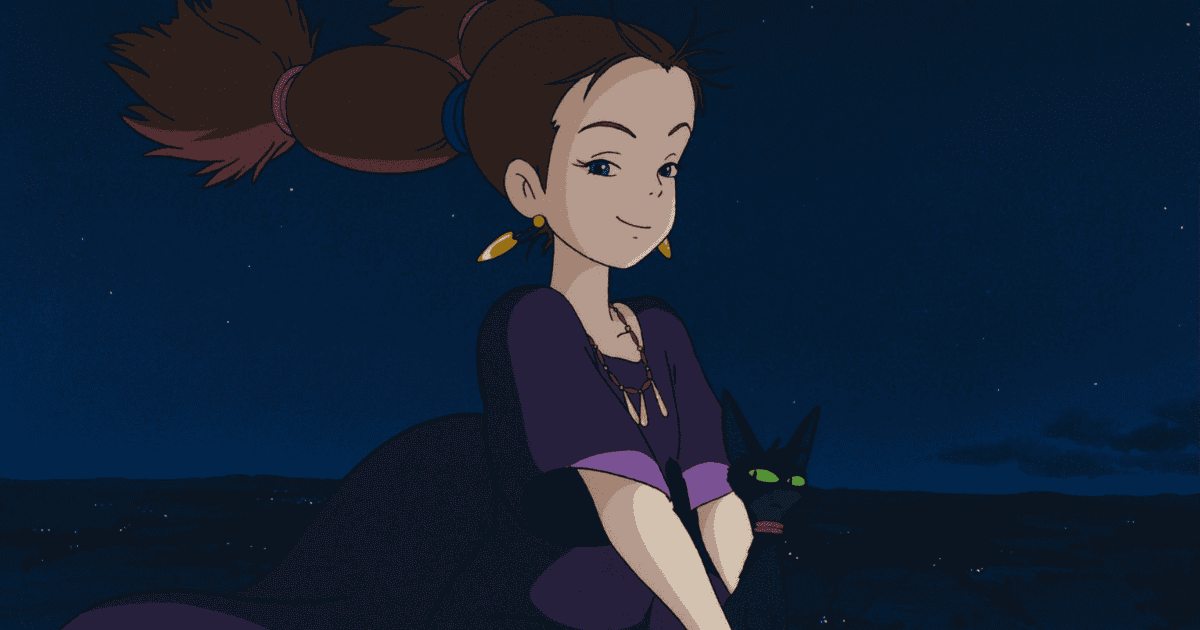
Senior Witch’s Basic Information
The seasoned veteran witch Kiki encounters in the sky, who is just wrapping up her mandatory year of training. She violently drives the very first wedge of anxiety into the narrative, instantly shattering Kiki’s overflowing warmth and youthful optimism.
She projects a deeply unpleasant, icy aura, but there are brilliant, multifaceted narrative reasons for her hostility.
While she largely functions as a meta-storytelling device, I explore the grueling, historically accurate psychological reasons for her terrible attitude in the deep dive below:
Read the full analysis: The Brutal Reality Behind the Snooty Senior Witch
Osono | Voiced by: Tress MacNeille
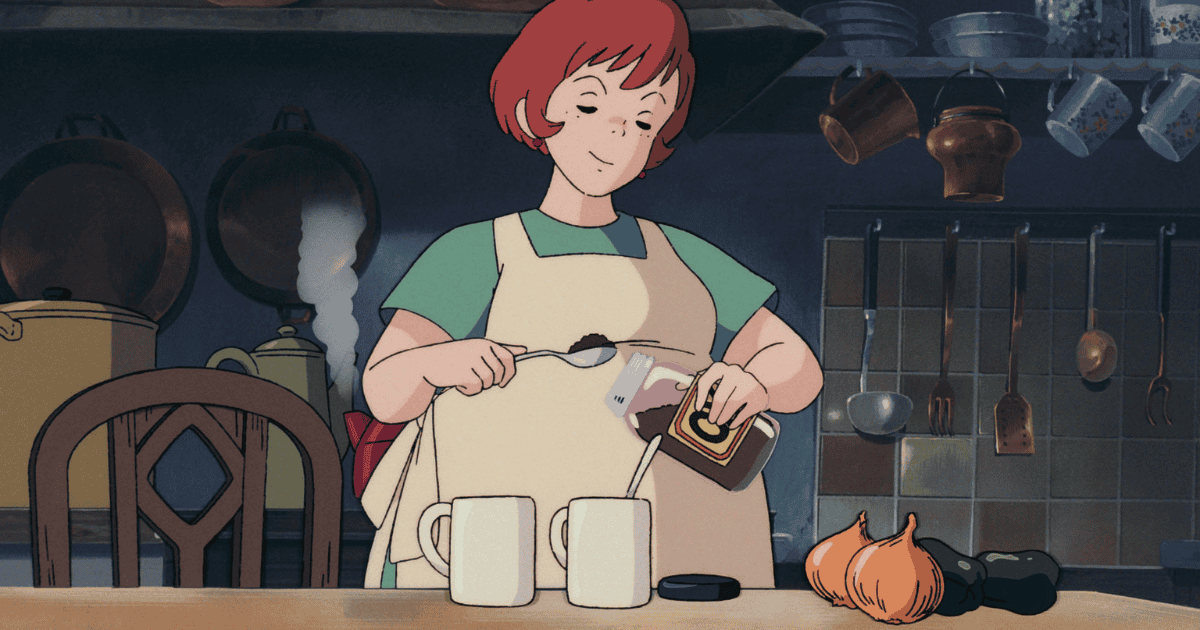
Osono’s Basic Information
The sharp, deeply maternal proprietor of the “Guchokipanya” bakery, who miraculously provides Kiki with a sanctuary from the streets.
On a surface level, she is a saintly, generous woman who offers Kiki an unbelievably lucrative housing deal: “free rent, free phone access, and daily breakfast,” all in exchange for occasionally manning the cash register.
While you can simply accept this as pure “kindness,” a slightly more analytical viewing reveals that Osono likely had some highly pragmatic ulterior motives.
The most crucial detail is that Osono is heavily pregnant, practically full-term. She has been working the grueling bakery counter until the absolute last possible second, but she is physically reaching her limit.
Facing impending childbirth, one logical business strategy would be to reduce bread production and force her silent husband to run the storefront.
But let’s be real: Could that terrifyingly silent, unsmiling man actually handle polite customer service?
He would certainly try his best, but the bakery’s welcoming reputation would likely plummet.
Alternatively, they could temporarily close the shop. But how long would they stay closed? The financial hit of generating zero income right before a baby arrives would be devastating, especially since her husband is perfectly capable of maintaining the baking output.
Osono was secretly in a massive operational crisis. And then, as if dropped from heaven, an energetic, polite “girl with nowhere to go” walks right up to her storefront. For Osono, Kiki wasn’t just a charity case; she was a vital commercial lifeline.
To put it in ruthless business terms: Osono brilliantly secured the cheapest possible labor force right before she went on maternity leave.
Taking an even more cynical view, the dusty attic room was clearly a “wasted asset” she didn’t know what to do with. By letting Kiki stay there, she successfully used the girl as a test subject to rehabilitate the space. Kiki cleaned it, proved it was habitable, and significantly increased its future commercial value. Once Kiki moves out, Osono can officially monetize it as a rental unit. In doing so, Osono masterfully secured a brand new stream of passive income.
However, the absolute brilliance of Osono’s character is that even if all these calculating, pragmatic motives are 100% true, it doesn’t diminish her immense, genuine kindness one bit. Whatever brilliant business mechanics were spinning in her head, they ultimately saved a 13-year-old girl from homelessness.
The undeniable truth is that Osono provided a desperately needed sanctuary for a child with nowhere else to turn. And honestly, in the real world, that is all that truly matters.
Fukuo | Voiced by: Brad Garrett
Fukuo’s Basic Information
Osono’s physically intimidating but deeply gentle baker husband. He embodies the classic, silent craftsman archetype, allowing his actions—like baking a custom bread sign for Kiki—to showcase his massive heart.
He is a brilliantly subtle character, and notably, he is the only adult in the entire film who ever directly acknowledges Jiji with a discreet, knowing wink.
Ursula | Voiced by: Janeane Garofalo
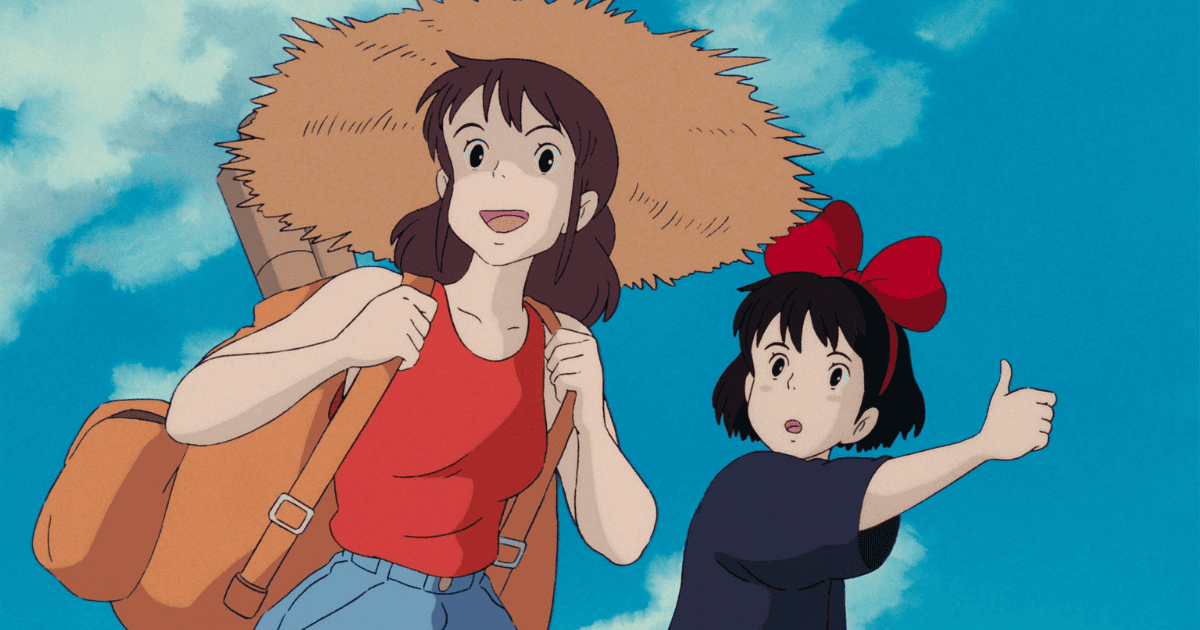
Ursula’s Basic Information
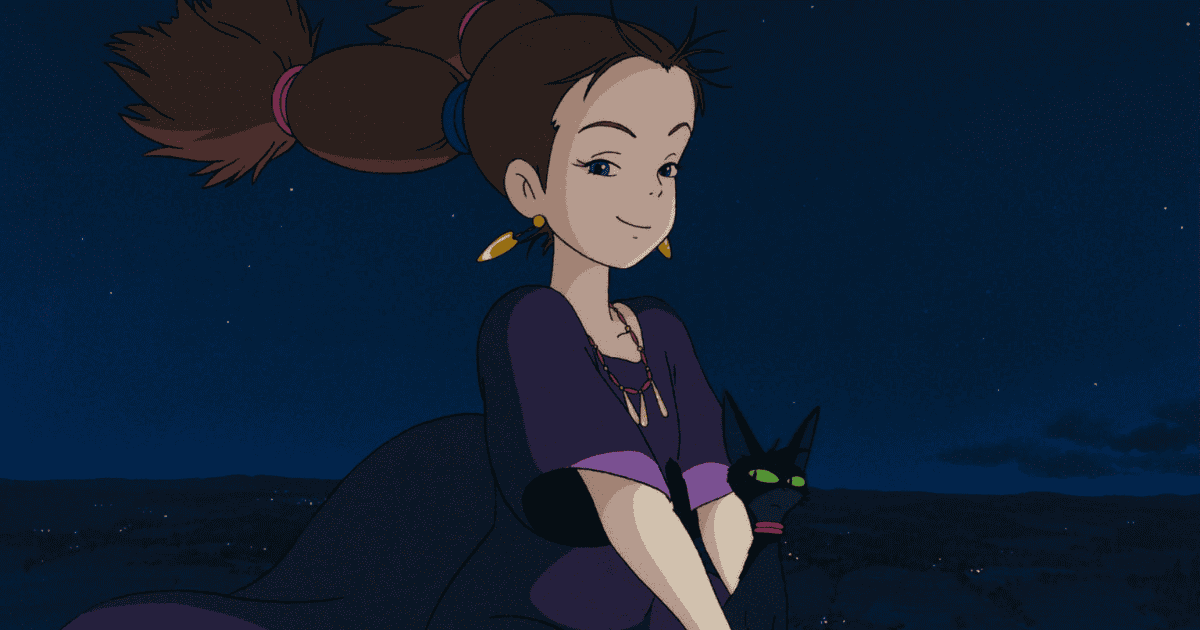
The fiercely bohemian, 18-year-old artist living alone in a forest cabin, whom Kiki encounters while frantically searching for the lost stuffed cat.
She kindly agrees to sew the mutilated toy back together, initiating a fair trade: “You clean my floors, I’ll fix your cat.”
While Tombo acts as a gateway to peers her own age, Ursula serves a far more vital psychological role. For an isolated Kiki, Ursula becomes the ultimate “big sister” and creative mentor, guiding her through the terrifying darkness of creative burnout.
Yet, we must remember Ursula is only 18. She is still a young woman fiercely battling her own artistic demons. It is highly likely that counseling Kiki provided Ursula with the exact perspective she needed to break through her own creative plateau.
Madame | Voiced by: Debbie Reynolds
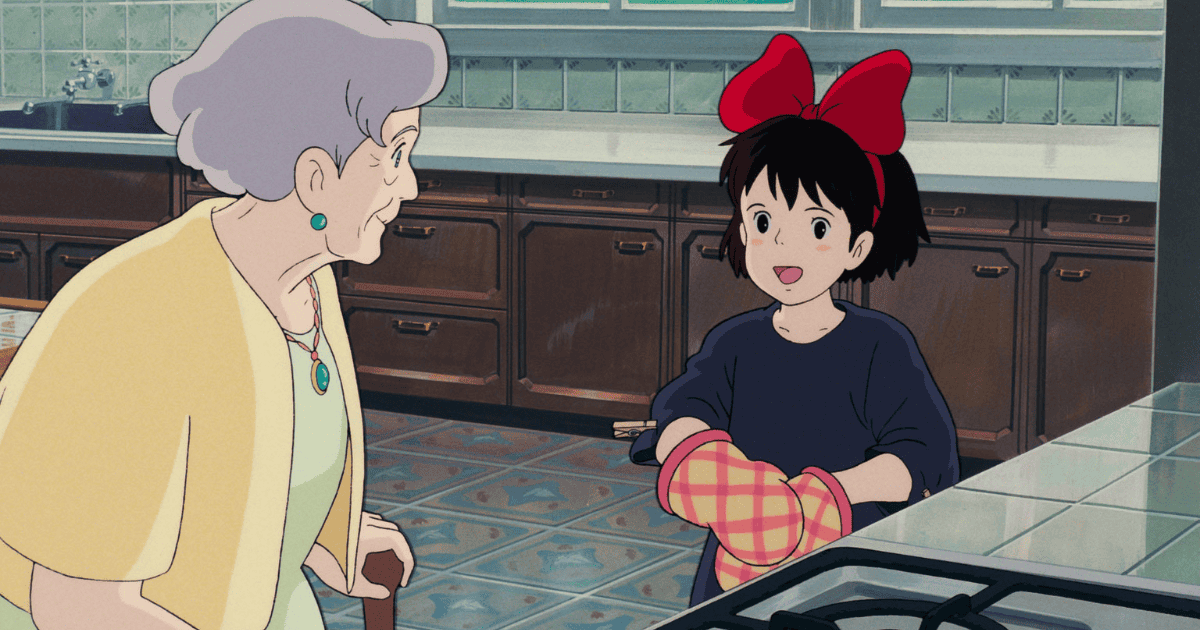
Madame’s Basic Information
The incredibly sweet elderly woman who hires Kiki to deliver her signature “herring and pumpkin pot pie” to her granddaughter’s party.
In a narrative sense, she is the unwitting mastermind who triggers the most agonizing, unforgettable cinematic trauma of our childhood: the “Herring Pie Incident.”
We naturally view this incident as a tragic miscommunication between generations—a grandmother completely out of touch with her modern granddaughter’s tastes. But what if we view it through a much darker, more cynical psychological lens?
The Herring Pie as a Psychological Bomb
Human nature dictates that no matter how saintly a person appears, their actions are often driven by deeply hidden, selfish motives.
Is it truly possible that this old woman was completely oblivious to her granddaughter’s hatred of herring pie? It is highly probable that years ago, a tiny toddler said, “Grandma, your pie is delicious!” and the old woman stubbornly clung to that faded memory.
However, what if she was fully aware that her granddaughter despised the pie? If we adopt that chilling assumption, the entire meaning of the gesture fundamentally changes.
Madame and her granddaughter clearly do not live together, implying Madame is also somewhat estranged from her own adult children.
Perhaps she weaponized the herring pie, stubbornly forcing the delivery of a hated dish under the guise of “grandmotherly love,” solely to guarantee that the family who abandoned her would be violently forced to acknowledge her existence.
I admit, analyzing an old woman baking a pie with this much psychological malice is intense. But the hidden motivations of human beings are rarely as simple as their polite smiles suggest.
Though, for the sake of my own sanity, I choose to believe she genuinely thought the kid loved the pie.
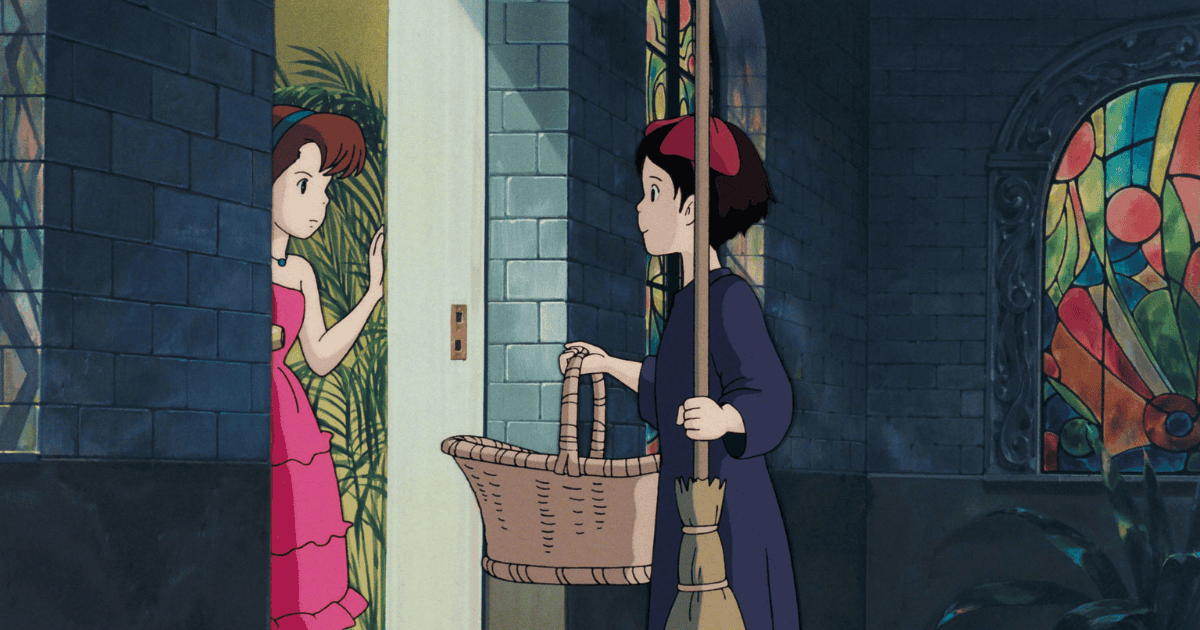
Madame’s Granddaughter | Voiced by: Sherry Lynn
Basic Information
The infamous recipient of the herring pie.
For Kiki, this wasn’t just a simple courier run. She poured her heart and soul into baking that pie from scratch in an antique oven, then physically shielded it from a freezing thunderstorm just to ensure it arrived hot. Meeting the granddaughter’s eye-rolling apathy and blatant hostility was a soul-crushing violation.
I am absolutely certain I am not the only child who watched the “Herring Pie Incident” and instantly vowed to “always say thank you to delivery drivers with a massive smile.“
While our hearts bleed for Kiki, this brutal rejection was a necessary pillar of her growth. It violently taught her that “intense hard work is not always rewarded,” and “good intentions are not always received with gratitude.”
Earning your own living in the real world is a ruthless, unforgiving endeavor.
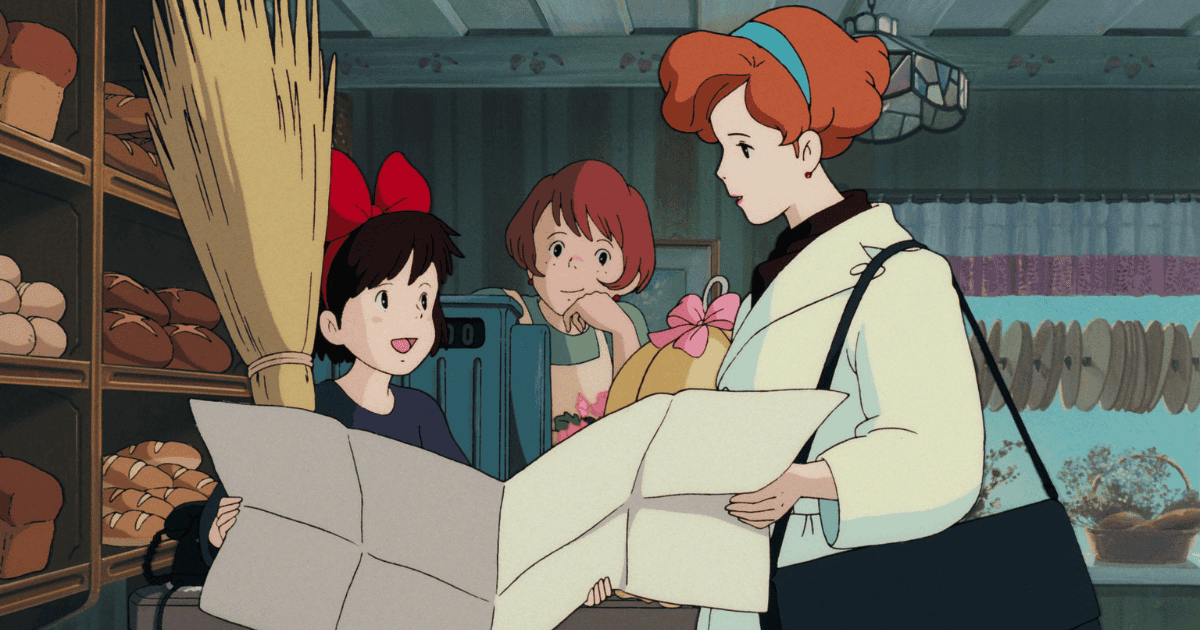
Maki | Voiced by: Julia Fletcher
Maki’s Basic Information
A highly stylish fashion designer and Kiki’s very first paying client. Kiki clearly harbors a deep admiration for her effortless urban elegance.
Crucially, she is the owner of Lily, the impossibly haughty white cat who ultimately captures Jiji’s heart and starts a feline family with him.
Jeff
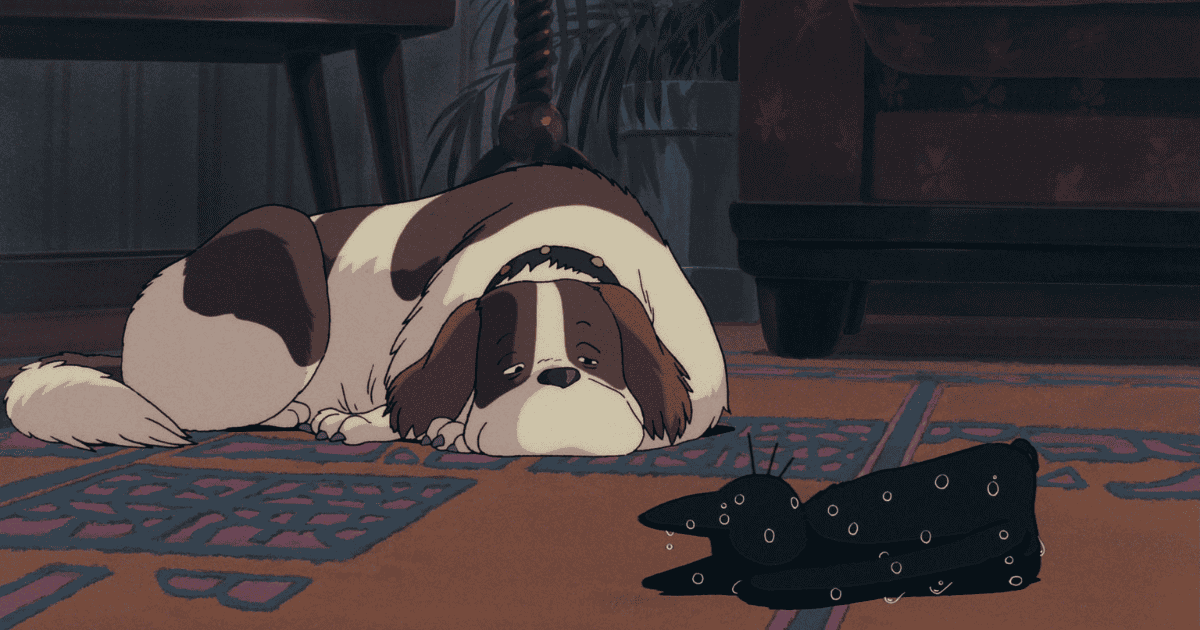
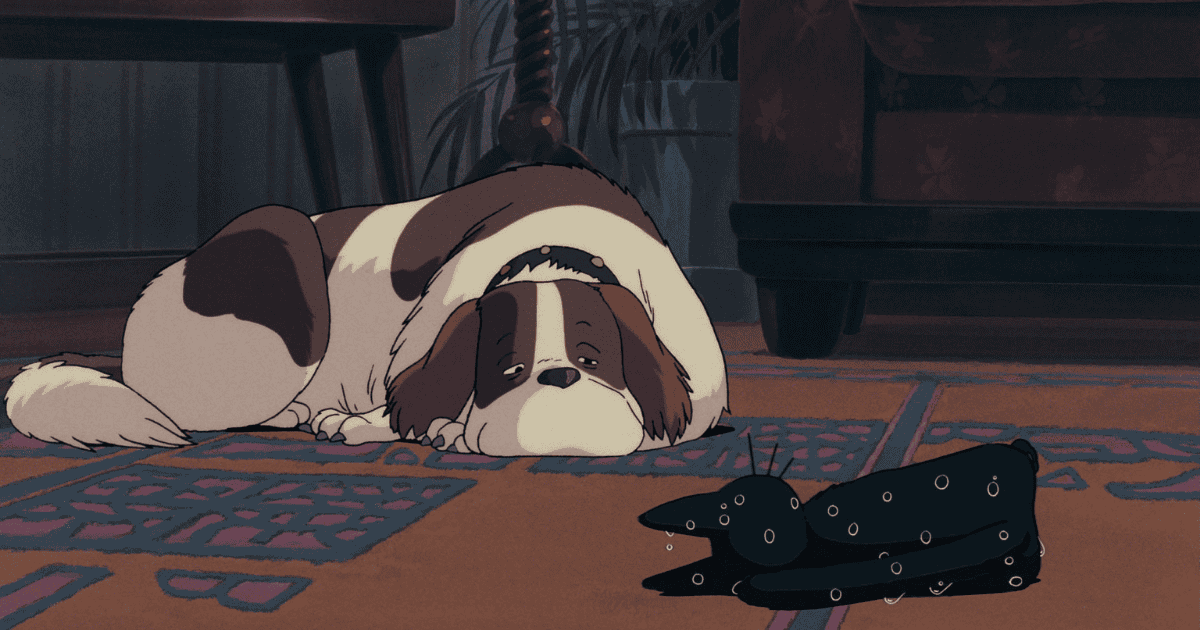
The massive, terrifyingly large St. Bernard owned by Maki’s nephew’s family.
Not only does he mercifully allow a hyperventilating Jiji to escape the house after pretending to be a stuffed animal, but he actually carries the repaired plush toy back into the home.
Objectively speaking, Kiki’s very first job was a total catastrophic failure. But thanks to the combined efforts of Ursula, Jiji, and Jeff, she managed to brute-force a success. It perfectly illustrates that relying on the diverse skills and kindness of an entire community is vital to survival.
It is a profound life lesson: never let the stubborn pride of “doing everything entirely by myself” stop you from accepting grace when you desperately need it.
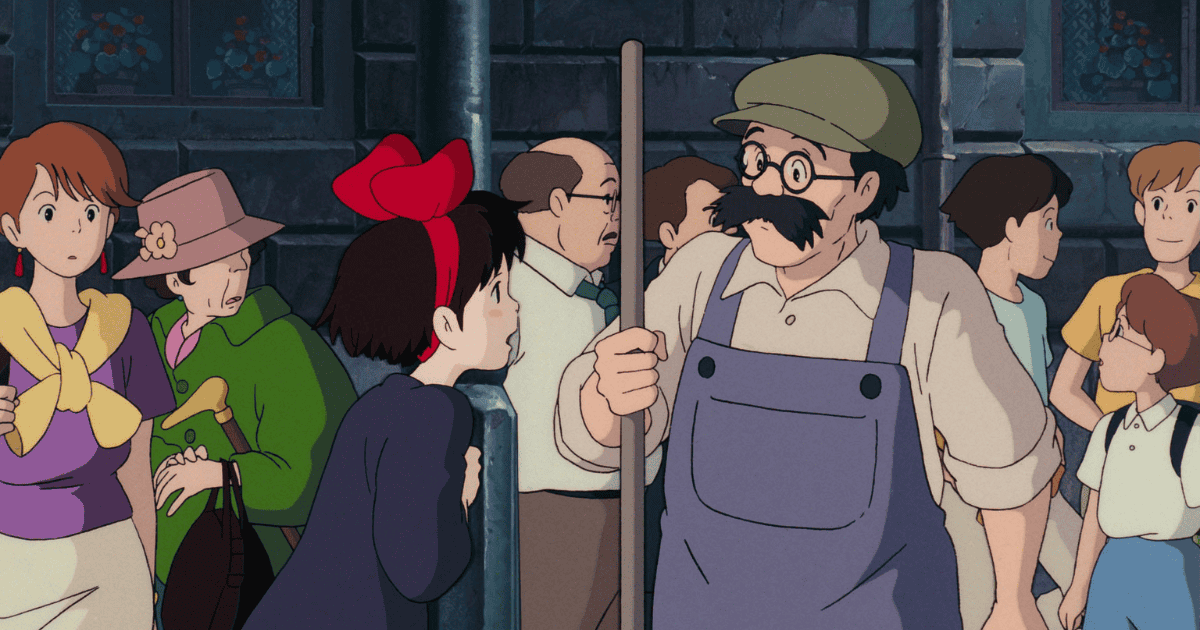
Man with Push Broom | Voiced by: Jeff Bennett
Basic Information
The deeply enthusiastic street sweeper who readily surrenders his bristly push broom to Kiki during the apocalyptic dirigible crisis.
His screen time is less than ten seconds, but if he hadn’t been standing there with a highly aerodynamic broom at that exact millisecond, Tombo would have plummeted to his death. He is the ultimate MVP of “right place, right time.”
Honestly, it might be a solid strategy to just carry a push broom around at all times.
Other Characters
- Policeman | Matt K. Miller
- Announcer | Corey Burton
- Ket | Pamela Adlon
- Ket’s Mother | Julia Fletcher
- Ket’s Father | John DeMita
- Ket’s Grandmother | Julia Fletcher
- Miss Dora (Old woman who received medicine from Kokiri) | Fay Dewitt
- Clock Tower Caretaker | Lewis Arquette
- Truck Driver |Corey Burton
- Hotel Receptionist | Matt K. Miller
- Dirigible Captain | John Hostetter
The images used in this article are from Studio Ghibli Work Stills.
Can you name the movie before the scene comes into focus?
Put your visual memory to the test with a blurred Studio Ghibli scene.

Reader Comments