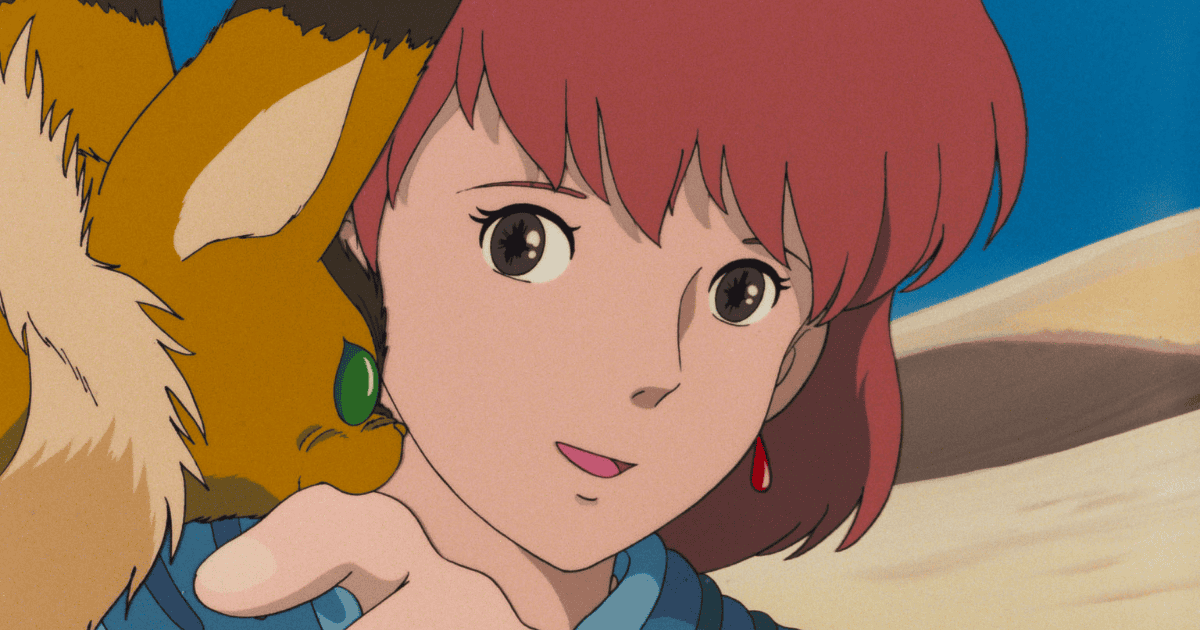
Nausicaä of the Valley of the Wind is a 1984 animated film written and directed by Hayao Miyazaki.
The film is remembered for its extraordinary world-building, its environmental themes, and the compassion of its heroine. It is also filled with memorable dialogue that becomes even more interesting when the original Japanese is compared with the English subtitles and dub.
In this article, I have selected 13 of my favorite quotes from Nausicaä of the Valley of the Wind. For each line, I will look at the original Japanese, the English subtitle, the translation choices, and what the dialogue tells us about the characters and the story.
These are not necessarily the 13 most historically famous lines from the film. This is a personal selection, and some of them are here simply because they have remained strangely lodged in my memory for years.
Translation note: The English subtitle wording in this article is based on the commercially released Blu-ray available to the author. The English dub is also discussed where its wording creates an important difference. Subtitle and dub wording may vary between releases and territories.
The official English title of the film is:
Nausicaä of the Valley of the Wind
When the film was first released in the United States in 1985, however, it was given the rather baffling title Warriors of the Wind.
The film was cut down, several elements were altered, and the VHS cover presented it as though it were a completely different kind of fantasy adventure. Anyone curious should search for the old Warriors of the Wind cover. It is difficult to imagine a Hayao Miyazaki film being treated that way today.
On this pageContents
Nausicaä Quotes in Japanese and English
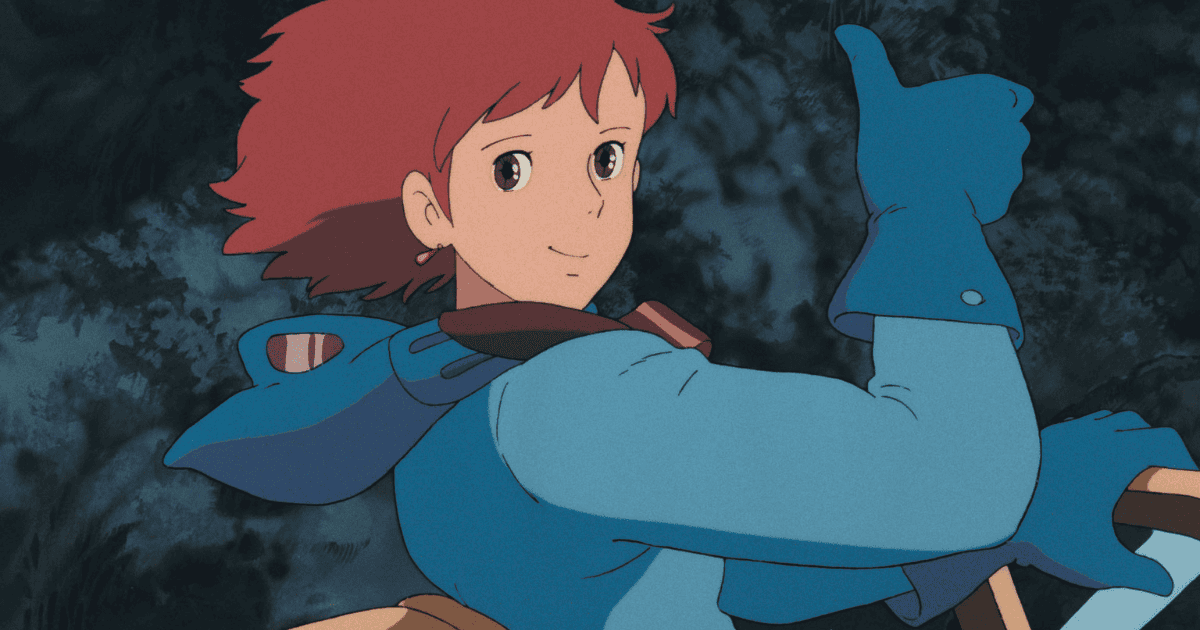
“See… you’re not scared.”
ほら、怖くない。
Hora, kowakunai.
See… you’re not scared.
See? It isn’t frightening.
Read the Commentary and Analysis
Nausicaä says this while trying to calm Teto, the fox-squirrel brought back by Lord Yupa.
Teto is frightened and highly agitated. He bites Nausicaä’s finger, but she does not pull her hand away or punish him. She simply waits until he understands that she is not going to hurt him.
Only moments earlier, Nausicaä had calmed a charging Ohm through her actions. This scene then establishes the same quality through her words. Within a very short space of time, the film tells us that Nausicaä possesses an ability that ordinary people do not.
She can recognize the fear hidden beneath violent behavior.
The line also introduces an idea that runs throughout the film: aggression is often the reverse side of fear.
Looking at Teto’s teeth and aggressive posture, most people would simply describe him as dangerous. Nausicaä understands that he is terrified. Once she says “you’re not scared,” the audience also begins to see his behavior differently.
The Japanese line is especially interesting because it does not state exactly who or what is “not frightening.” Japanese often omits a subject that English would normally require.
Depending on how the line is understood, it could mean:
- “It isn’t frightening.”
- “There is nothing to be afraid of.”
- “I am not frightening.”
- “You are not afraid anymore.”
The subtitle chooses “you’re not scared,” focusing on the change taking place inside Teto. The dub conveys something closer to “there is nothing to fear,” making the line sound more explicitly reassuring.
Both interpretations work. Nausicaä is showing Teto that she is harmless while also recognizing that his fear is already beginning to disappear.
Later in the film, she performs a very similar act of perception with Kushana.
“What are you so afraid of? You’re just like a lost fox-squirrel.”
あなたは何をおびえているの。まるで迷子のキツネリスのように。
Anata wa nani o obiete iru no. Marude maigo no kitsunerisu no yō ni.
What are you so afraid of? You’re just like a lost fox-squirrel.
What are you afraid of? You are just like a lost fox-squirrel.
Read the Commentary and Analysis
Nausicaä says this to Kushana after their aircraft crashes into the Sea of Decay.
Surrounded by insects and stripped of military control, Kushana attempts to dominate the survivors through threats and extreme aggression. Nausicaä immediately understands what lies behind that behavior.
Kushana is afraid.
The comparison with a lost fox-squirrel deliberately recalls Teto. At the beginning of the film, Teto bites Nausicaä because he is frightened. Here, Kushana reacts to fear in much the same way, despite presenting herself as a fearless military commander.
The film therefore connects a small terrified animal and a powerful imperial princess through the same emotional structure.
Kushana’s fear of insects is obvious in the scene, but the reason for its intensity is revealed later. We learn that an insect took her left arm and that the damage to her body may extend far beyond what we can see.
In that sense, Nausicaä’s line works as both psychological insight and foreshadowing.
The subtitle stays close to the Japanese. The word “lost” is particularly effective. Kushana is not merely scared. For a brief moment, she has lost the certainty, authority and self-control on which her identity depends.
Asbel Quotes in Japanese and English
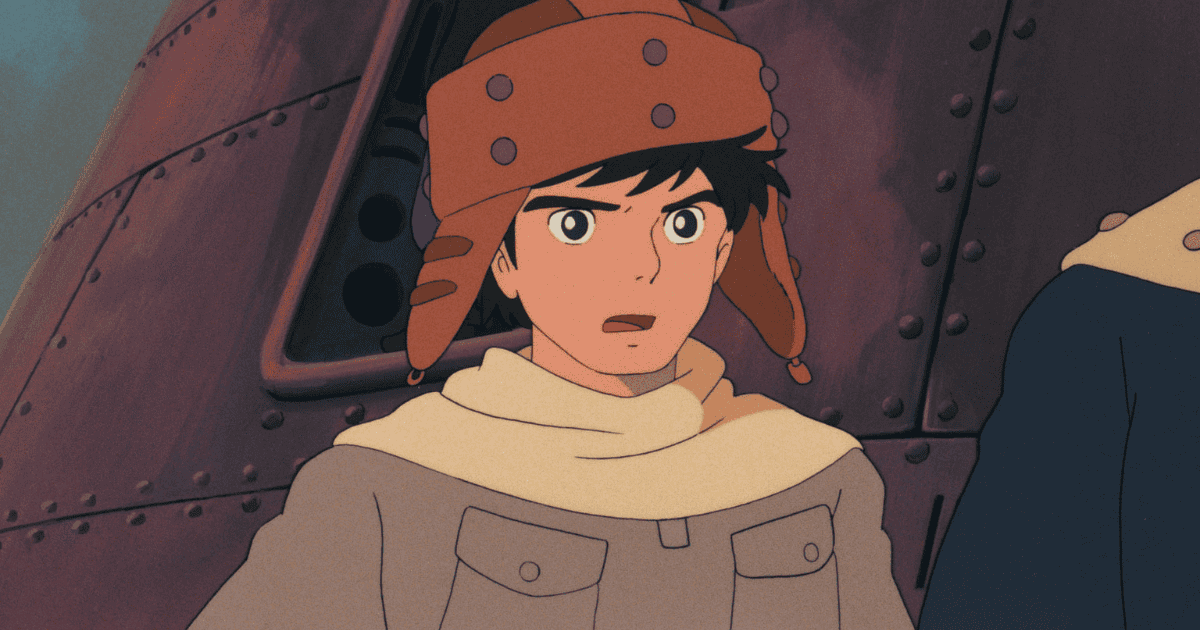
“It doesn’t taste great, but I could eat a whole boot-full!”
味はともかく、長靴いっぱい食べたいよ。
Aji wa tomokaku, nagagutsu ippai tabetai yo.
It doesn’t taste great, but I could eat a whole boot-full!
Whatever they taste like, I’d like to eat a boot full of them.
Read the Commentary and Analysis
This is not exactly a profound quotation. Even so, it is one of the lines from Nausicaä of the Valley of the Wind that has remained most clearly in my memory.
Asbel says it while eating the chiko nuts that the children of the Valley gave to Nausicaä.
I cannot be the only person who watched this scene and wondered what chiko nuts would actually taste like.
After death, warfare and the suffocating threat of the Sea of Decay, the line gives Nausicaä and Asbel a brief moment of ordinary warmth. It also allows Asbel to seem like a young man rather than merely a pilot driven by revenge.
The subtitle preserves the strange image by using “a whole boot-full.” It is an unusual expression in English, but that is precisely why the line remains memorable.
The dub changes the joke into a more conventional remark about healthy food tasting bad. That version may sound smoother, but the image of eating an entire boot full of chiko nuts disappears.
That is a genuine loss. The boot is the entire point.
Kushana Quotes in Japanese and English
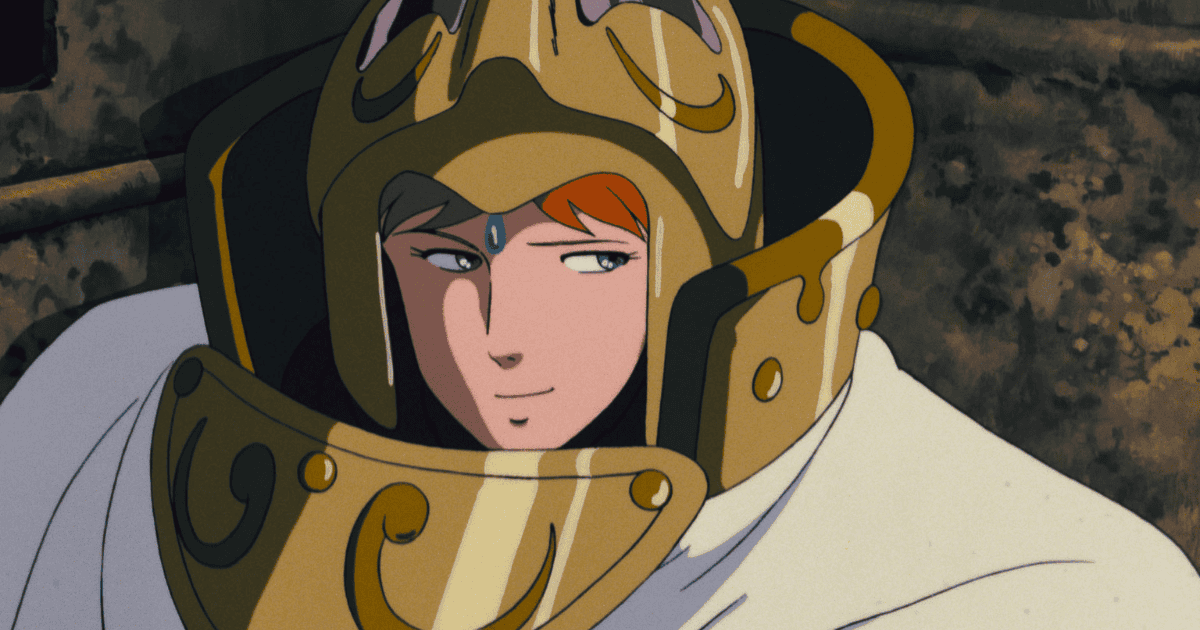
“Whoever becomes my husband will see worse than that.”
我が夫となる者はさらにおぞましきものを見るだろう。
Waga otto to naru mono wa sara ni ozomashiki mono o miru darō.
Whoever becomes my husband will see worse than that.
The man who becomes my husband will see something even more horrible.
Read the Commentary and Analysis
This line reveals why Kushana, otherwise so brave and composed, reacts with such extreme fear after falling into the Sea of Decay.
She shows that her left arm has been lost and replaced. The implication is that insects caused the injury and that her wounds are not limited to the missing arm.
For a moment, the film exposes the brutal past hidden beneath her armor.
Yet Kushana still refuses to present herself as vulnerable. She transforms the revelation into a bitter joke about the man who may one day become her husband.
That is very much in character. Even while exposing her wounds, she protects her pride through irony.
The Japanese word ozomashiki carries a stronger sense of horror and repulsion than the subtitle’s simple “worse.” A more literal version might refer to something dreadful or horrifying.
The dub adds the idea of a “lucky” man becoming her husband. That word is not in the Japanese, but it sharpens the sarcasm. Any man considered lucky enough to marry a princess would discover the terrible reality concealed beneath her armor.
“Are you not descended from Earth’s most evil tribe?”
どうした。それでも世界で最も邪悪な一族の末裔か!
Dō shita. Sore demo sekai de mottomo jaakuna ichizoku no matsuei ka!
What’s wrong? Are you not descended from Earth’s most evil tribe!
What is wrong? Are you not still a descendant of the most evil clan in the world?
Read the Commentary and Analysis
Kushana shouts this at the Giant Warrior when its incomplete body fails to function as she expected.
Admittedly, the most obvious problem is that Kushana awakened it far too early and then became angry when it failed to perform properly. She is a remarkably strict commander, even toward an unfinished apocalyptic weapon.
The most interesting word, however, is “tribe,” “clan” or “lineage.”
In the film, Kushana speaks as though the Giant Warrior belongs to a naturally existing race and is a descendant of the beings that destroyed the old world.
Readers of Miyazaki’s manga know that the Giant Warriors were artificial beings created by the humans of the old civilization to act as judges.
The movie does not explain that history clearly. Kushana’s language therefore suggests that, after the passage of a thousand years, human understanding of the Giant Warriors has become distorted.
They may have been constructed objects, but the people of the present world remember them as a terrifying race from legend.
The dub reportedly uses wording involving what the creature was “designed” to be. That is not a literal translation of the movie’s Japanese dialogue, but it is an intriguing choice because it happens to fit the manga’s mythology remarkably well.
Lord Yupa Quotes in Japanese and English
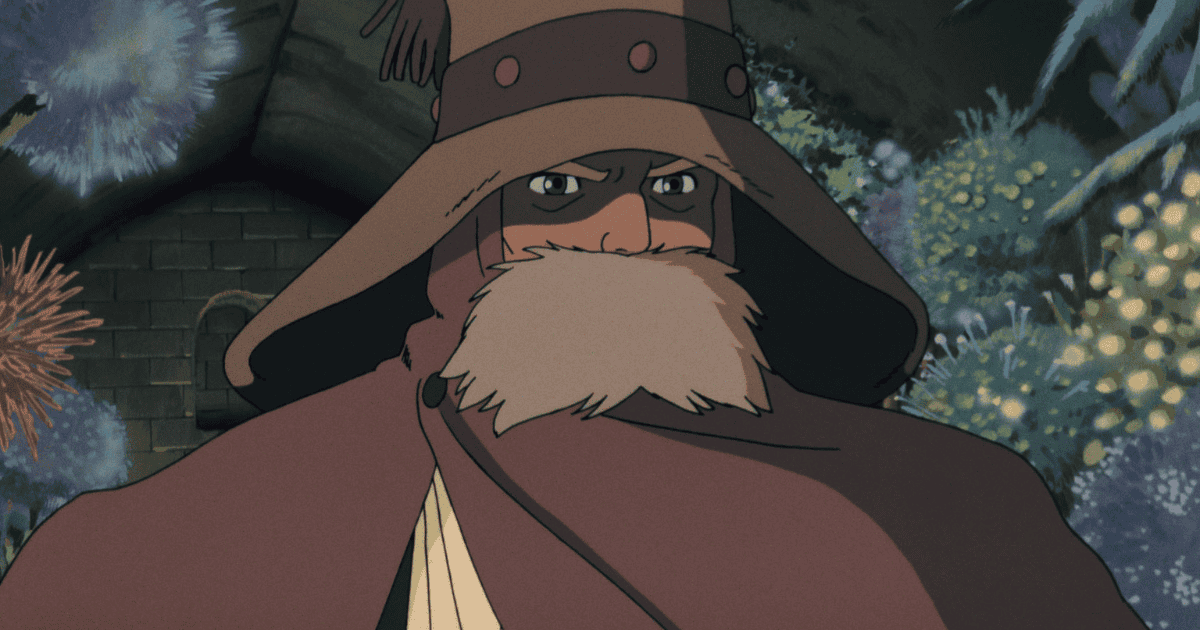
“Another village destroyed.”
また村がひとつ死んだ。いこう、ここもじき腐海に沈む。
Mata mura ga hitotsu shinda. Ikō. Koko mo jiki Fukai ni shizumu.
Another village destroyed. Let’s go, soon, this will also be consumed in the Sea of Decay.
Another village has died. Let’s go. This place will soon sink into the Sea of Decay as well.
Read the Commentary and Analysis
These are the first spoken words in the film.
Together with the images and the opening text, the line tells us almost everything we need to know about the state of the world in the shortest possible time.
Human settlements are dying. The Sea of Decay is expanding. This is not an isolated disaster but a process that Lord Yupa has witnessed repeatedly.
It is a fine example of Miyazaki’s ability to establish a world without stopping the story to explain it.
The Japanese says that another village has “died.” The subtitle changes this to “destroyed.”
The English version communicates the result, but the Japanese personifies the village as a living thing. It has not simply been damaged or conquered. It has reached the end of its life.
The Japanese also says that the village will “sink” into the Sea of Decay. The image is almost geological, as though the forest were a vast ocean gradually swallowing the remains of human civilization.
“Move and this sword will pierce your ceramic armor.”
双方動くな!動けば王蟲の皮より削り出したこの剣がセラミック装甲をも貫くぞ。
Sōhō ugoku na! Ugokeba Ōmu no kawa yori kezuridashita kono tsurugi ga seramikku sōkō o mo tsuranuku zo.
Stay where you are! Move and this sword, carved of insect shell, will pierce your ceramic armor.
Neither side move! If anyone moves, this sword carved from an Ohm’s shell will pierce even ceramic armor.
Read the Commentary and Analysis
Lord Yupa says this after Nausicaä discovers that the Tolmekian soldiers have murdered her father and attacks them in a state of uncontrollable rage.
He stops her by sacrificing his own arm to block her blade and then holds both sides at a standstill.
I still do not entirely understand where Yupa came flying from in this scene.
Nevertheless, it is one of the few moments in the film where we truly see the legendary swordsman behind his calm, scholarly appearance.
The Japanese begins with sōhō, meaning “both sides.” Yupa is ordering both Nausicaä and the Tolmekian soldiers not to move.
This is important. He is not simply joining Nausicaä’s side. His immediate objective is to stop the violence itself.
The subtitle’s “Stay where you are” is natural English, but it removes this explicit neutrality.
The subtitle also translates the material of his sword as “insect shell,” leaving out the fact that it was carved specifically from an Ohm’s shell. The dub retains the reference to the Ohm more clearly.
There is another brief sword fight involving Yupa later in the film, but I would gladly have watched far more of “Yupa the swordsman.”
Obaba’s Prophecy in Japanese and English
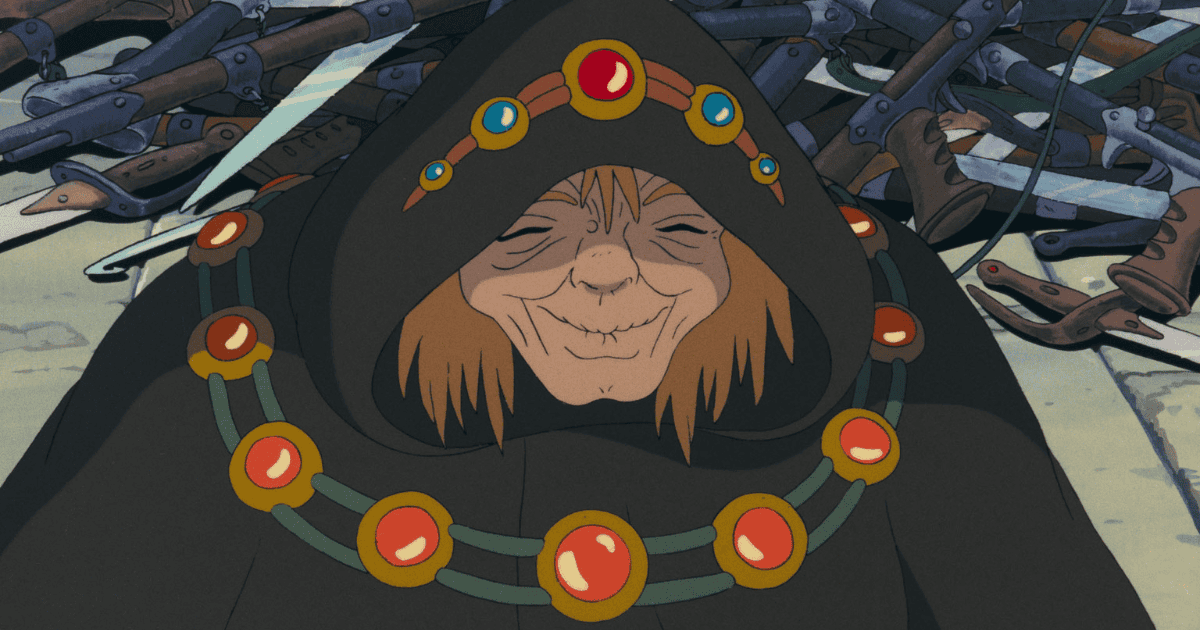
“Clothed in blue robes, descending onto a golden field…”
その者青き衣をまといて金色の野に降り立つべし。失われし大地との絆を結び……ついに人々を青き清浄の地に導かん。
Sono mono aoki koromo o matoite konjiki no no ni oritatsu beshi. Ushinawareshi daichi to no kizuna o musubi… tsui ni hitobito o aoki seijō no chi ni michibikan.
Clothed in blue robes, descending onto a golden field, to join bonds with the great earth… and guide the people to the pure land, at last.
That person shall descend upon a golden field clothed in blue, restore the lost bond with the earth, and at last lead the people to a blue and pure land.
Read the Commentary and Analysis
The final part of this prophecy is completed by Nausicaä, but I have included the whole passage here as Obaba’s quotation.
It is one of the most memorable pieces of dialogue in the film. At the same time, its origin is surprisingly unclear.
The tapestry shown during the opening suggests that some ancient event or belief lies behind it, but the movie never gives us a definitive explanation of who created the prophecy, how it was preserved or why people still believe it.
The larger difficulty is that the prophecy is fulfilled with astonishing precision.
Nausicaä appears in blue clothing on what looks like a golden field, reconnects humanity with the natural world and becomes the figure who offers hope of purification.
I consider Nausicaä of the Valley of the Wind a masterpiece. Even so, this is perhaps the one part of the film that remains slightly vague for me.
The ending presents the fulfilment largely as a miracle. The symbolism is powerful, but the relationship between the prophecy and the actual history of the world is left unresolved.
That may be an unfair complaint. A myth does not necessarily require a documentary explanation. Still, the prophecy is so perfectly fulfilled that I cannot help wondering where it came from.
The Japanese begins with sono mono, meaning “that person” or “the one.” It does not specify whether the person is male or female.
The subtitle preserves that ambiguity by avoiding a pronoun. Some dub versions use “he,” making the figure explicitly male until the prophecy is fulfilled by Nausicaä.
The Japanese also ends with a reference to a “blue and pure land.” The subtitle shortens this to “the pure land,” losing the repetition of blue that connects the destination with the clothing of the prophesied figure.
One transcription issue should also be clarified. The English expression is “clad in blue,” meaning dressed in blue. It is not “plaid in blue,” which would refer to a checked pattern of fabric.
Kurotowa Quotes in Japanese and English
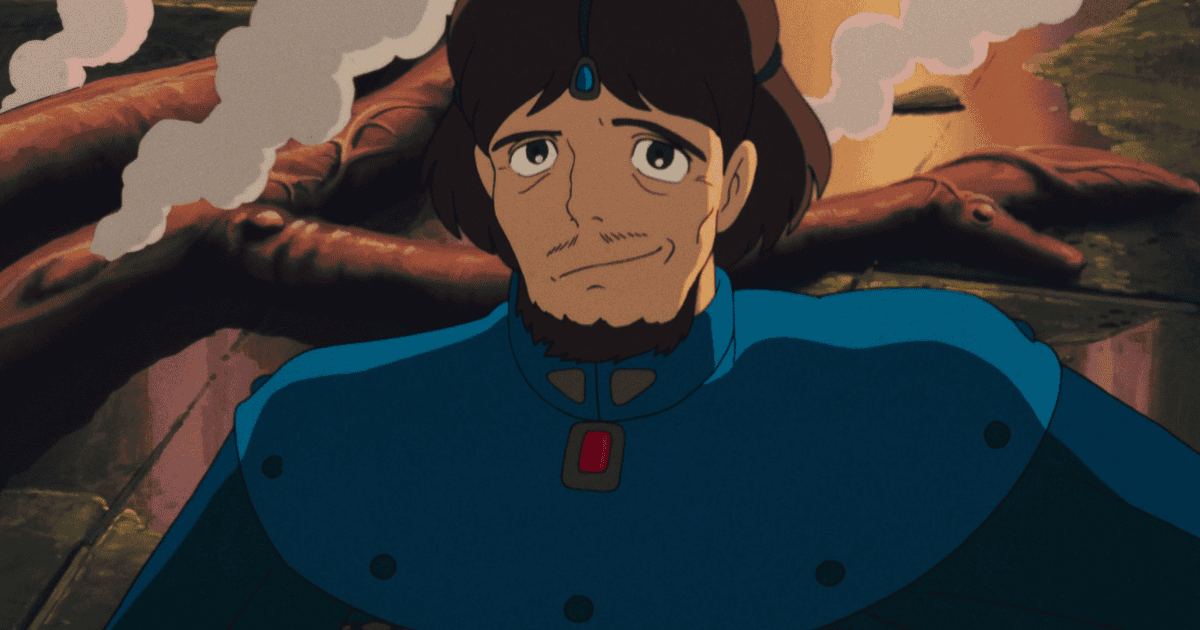
“Either fortune’s finally smiling on this lowly soldier…”
うだつの上がらない平民出にやっと巡ってきた幸運か、それとも破滅の罠か。
Udatsu no agaranai heimin de ni yatto megutte kita kōun ka, soretomo hametsu no wana ka.
Either fortune’s finally smiling on this lowly soldier… Or it’s a trap set to destroy me…
Is this the good fortune that has finally come to an unsuccessful commoner, or a trap leading to destruction?
Read the Commentary and Analysis
This line did not make my personal top three, but I suspect that almost everyone who has seen the film remembers it.
There is something satisfying about its rhythm. It is the sort of line that makes you want to find an opportunity to say something equally dramatic yourself.
Kurotowa speaks it after hearing that Kushana may have died. For the first time, a man of common birth can imagine himself taking control of the operation.
The Japanese expression udatsu no agaranai describes a person who never succeeds, advances or rises above an unimpressive position.
Kurotowa is not merely a low-ranking soldier. He sees himself as a capable commoner trapped beneath aristocratic rulers.
The moment restores something youthful to a character who had previously seemed cynical and vaguely middle-aged, even though Kurotowa is only twenty-seven.
His period of supremacy lasts for less time than Akechi Mitsuhide’s famous “three-day rule.” On the other hand, the fact that it ends so quickly may ultimately save his life.
Kurotowa himself would probably not consider that much of a consolation.
“It’s rotting. It’s too soon.”
腐ってやがる。早すぎたんだ。
Kusatte yagaru. Hayasugita n da.
It’s rotting. It’s too soon.
The damn thing is rotting. It was too early.
Read the Commentary and Analysis
Kurotowa says this when the Giant Warrior’s body splits and begins to collapse.
It is one of the most memorable lines in the film. It also appears, at least at first glance, to contain a fundamental contradiction.
If the important fact is that the Giant Warrior is rotting, then one might expect Kurotowa to say that they were too late.
If the important fact is that they awakened it too early, then one might expect him to say that it was still immature or incomplete.
Instead, he says both:
- It is rotting.
- It was too early.
The most plausible explanation is that the Giant Warrior was forced into action before its body had finished developing. Because it was incomplete, its unstable flesh began to decay or collapse as soon as it was used.
That interpretation makes sense, but I am still not entirely convinced that it eliminates the strange friction between the two statements.
Perhaps that friction is part of what makes the line so memorable. The Giant Warrior is simultaneously an ancient corpse, a developing organism and a manufactured weapon. Ordinary biological language does not fit it cleanly.
The subtitle preserves the disturbing word “rotting.” The dub’s “falling apart” describes what we see more straightforwardly, but it loses the grotesque suggestion that the Giant Warrior is living flesh undergoing decay.
Quotes from the Elders of the Valley
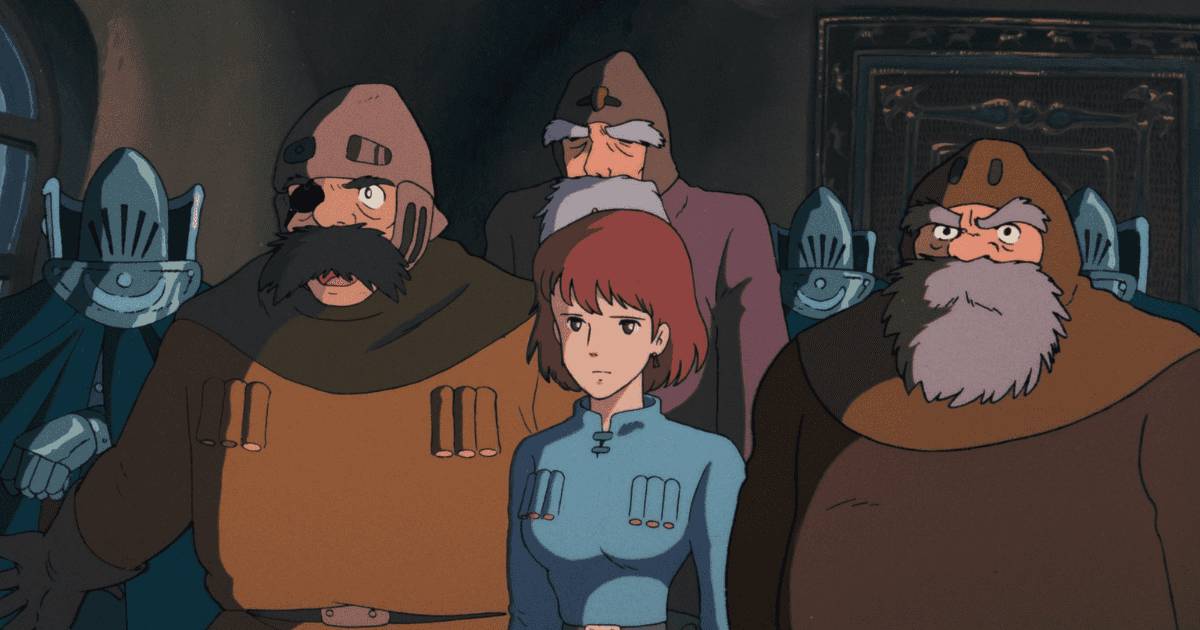
“They were the beautiful hands of a hard worker.”
わしらの姫様はこの手を好きだというてくれる。働き者のきれいな手だというてくれましたわい。
Washira no hime-sama wa kono te o suki da to itte kureru. Hatarakimono no kirei na te da to itte kuremashita wai.
But our Princess said she liked these hands. They were the beautiful hands of a hard worker.
Our princess tells me that she likes these hands. She told me they were the beautiful hands of a hard worker.
Read the Commentary and Analysis
One of the Valley’s elders says this after being captured by Kushana’s forces.
The line places Nausicaä and Kushana side by side as two very different kinds of leader.
Kushana sees the elder’s damaged hand as evidence of the horror of the Sea of Decay. Nausicaä sees the same hand and tells him that it is beautiful because it belongs to a hardworking person.
The hands are not clean, smooth or conventionally attractive. They have been worn down by labor and damaged by disease.
Nausicaä’s words redefine beauty as the visible result of a life spent working for others.
This line has been embedded somewhere deep in my mind for a very long time.
It makes me want to become the kind of person capable of saying something like that to another human being. It also makes me want to be the kind of person who could receive such words and continue to treasure them.
I suspect that I have wanted to live that way for years and have never quite managed it.
The scene also demonstrates the lasting effect of a seemingly simple act of kindness. Nausicaä may have spoken the words naturally, without considering them extraordinary. The elder remembers them and uses them to defend her values in front of an invading princess.
“Fire can turn the forest into ashes in a single day.”
火は森を一日で灰にする。水と風は百年かけて森を育てるんじゃ。わしらは水と風の方がええ。
Hi wa mori o ichinichi de hai ni suru. Mizu to kaze wa hyakunen kakete mori o sodateru n ja. Washira wa mizu to kaze no hō ga ē.
Fire can turn the forest into ashes in a single day. Water and wind sustain a forest for 100 years. We like the water and the wind.
Fire reduces a forest to ashes in one day. Water and wind take a hundred years to grow a forest. We prefer water and wind.
Read the Commentary and Analysis
Viewed in isolation, this line can now sound slightly preachy.
Even so, the idea behind it seems to have been carved into me at an almost unconscious level.
Fire represents the immediate and spectacular solution offered by military power. Water and wind represent the slow work of sustaining life across generations.
The reason the elder’s words do not feel like an empty slogan is that the film has already shown us the difficult reality from which they emerge.
The people of the Valley live beside the Sea of Decay. They farm, maintain windmills, struggle with illness and endure the gradual contamination of their bodies.
Their preference for water and wind is not a fashionable opinion adopted from a safe distance. It is a philosophy formed through labor and survival.
A person eating ice cream in a heated room during winter can easily deliver a speech about living in harmony with nature. Without a reality behind the words, however, such a speech may sound like little more than activism performed for its own sake.
The elder’s words have force because his hands, body and entire life testify to what he is saying.
The Japanese verb sodateru means to grow, raise or nurture. The subtitle uses “sustain,” emphasizing preservation rather than the slow act of raising a new forest.
The final sentence is wonderfully modest. He does not declare that the Valley’s people are morally superior. He simply says:
“We prefer water and wind.”
Lastelle’s Final Quote in Japanese and English
“My cargo… Burn the cargo.”
積荷を、積荷を燃やして。
Nimotsu o, nimotsu o moyashite.
My cargo… Burn the cargo.
The cargo… Burn the cargo.
Read the Commentary and Analysis
These are the final words of Lastelle, the princess of Pejite, after Nausicaä pulls her from the wreckage of a Tolmekian transport ship.
Even as she is dying, Lastelle does not ask Nausicaä to save her. Her final concern is the destruction of the cargo carried by the aircraft: the Giant Warrior.
That she uses her last strength to think about preventing a catastrophe rather than preserving herself reflects the pride and responsibility of a princess.
Immediately before the line, Nausicaä looks at Lastelle’s chest and stops speaking.
As a child, I did not understand what Nausicaä had seen.
Looking at the scene now, the implication seems clear: Lastelle’s chest has been crushed or terribly injured by the wreckage of the transport ship.
If that reading is correct, even breathing must have been extraordinarily difficult. The fact that she is able to leave any final message at all is almost miraculous.
That makes the content of the message even more striking. Her final words are not about herself. They are about preventing the Giant Warrior from being used.
The Japanese does not say “my cargo.” It simply repeats “the cargo.” The subtitle adds the possessive pronoun to make the fragmented English sound more natural.
The repetition preserves her fading strength. She has enough breath only to identify the object and give the command.
What Is the Most Famous Nausicaä Quote?
The most widely recognized line is probably:
See… you’re not scared.
It appears near the beginning of the film and immediately establishes Nausicaä’s defining quality.
She does not overcome Teto through force. She understands the fear behind his aggression and gives him time to recognize that she is not an enemy.
The same form of understanding later allows her to confront Kushana, the insects and the hatred driving entire human societies.
Sea of Decay, Toxic Jungle or Toxic Forest?
The Japanese name is Fukai(腐海).
The characters literally mean something close to “Sea of Decay” or “Sea of Rot.”
The English subtitles use Sea of Decay, preserving the metaphor of a vast sea spreading across the land.
The English dub commonly uses Toxic Jungle, while English promotional descriptions may use Toxic Forest.
Each name creates a different impression.
- Sea of Decay is the most poetic and closest to the Japanese image.
- Toxic Jungle emphasizes density and danger.
- Toxic Forest is the clearest and most immediately understandable.
“Sea of Decay” may sound less natural as an ordinary English place name, but it best preserves the feeling that the forest is an enormous body gradually swallowing the human world.
My Three Favorite Nausicaä Quotes
My personal top three are:
- “See… you’re not scared.”
- “It doesn’t taste great, but I could eat a whole boot-full!”
- “It’s rotting. It’s too soon.”
The first captures Nausicaä’s compassion.
The second gives the film a brief and unforgettable moment of ordinary humor.
The third expresses the grotesque failure of humanity’s attempt to revive the destructive power of the old world.
Which quote from Nausicaä of the Valley of the Wind has stayed with you?
The images used in this article are from the Studio Ghibli Works Still Image Collection.
Can you name the movie before the scene comes into focus?
Put your visual memory to the test with a blurred Studio Ghibli scene.
Reader Comments