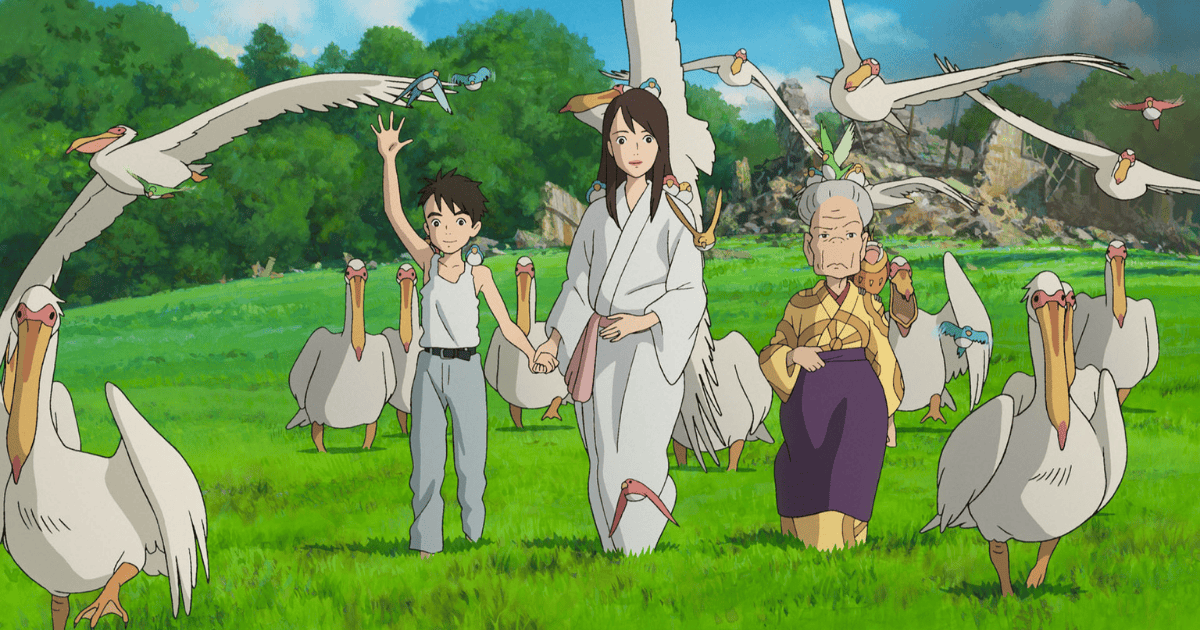
Hayao Miyazaki’s The Boy and the Heron (Studio Ghibli Official Website) did not just arrive in theaters; it materialized out of thin air. Released on July 14, 2023, this deeply personal, feature-length masterpiece was deliberately cloaked in an unprecedented media blackout.
Operating under a strict “zero advertising” policy, Studio Ghibli released absolutely no trailers, no character bios, and no plot summaries prior to the premiere—only a single, cryptic poster of a bird. The identities and stunning visuals of the characters were a complete mystery until the curtain lifted.
The English voice cast was guarded with equal secrecy. Aside from a few internet rumors whispering that Christian Bale might voice Mahito’s father and Robert Pattinson might tackle the Gray Heron, audiences went in blind. Pattinson’s performance, in particular, was so breathtakingly transformative that many viewers couldn’t even recognize his voice during the credits. Every single actor delivered a phenomenal, career-defining performance.
Today, we are lifting the veil. In this comprehensive guide, we will break down the characters and voice actors of The Boy and the Heron, exploring their individual charms and analyzing their profound, hidden roles within Miyazaki’s psychological labyrinth.
Please be warned: this deep-dive character analysis contains major plot spoilers.
*This is a translated version. The original (Japanese) is available here.
On this pageContents
The Boy and the Heron (2023) Main Characters & English Voice Actors
| Name | Age | Voice Actor |
|---|---|---|
 Mahito | 11 | Luca Padovan |
 The Gray Heron / Heron Man | ? | Robert Pattinson |
 Kiriko | ? | Florence Pugh |
 Himi | ? | Karen Fukuhara |
 Natsuko | ? | Gemma Chan |
 Shoichi | 37 | Christian Bale |
 The Parakeet King | ? | Dave Bautista |
 Granduncle | ? | Mark Hamill |
The Boy and the Heron (2023) Character Map
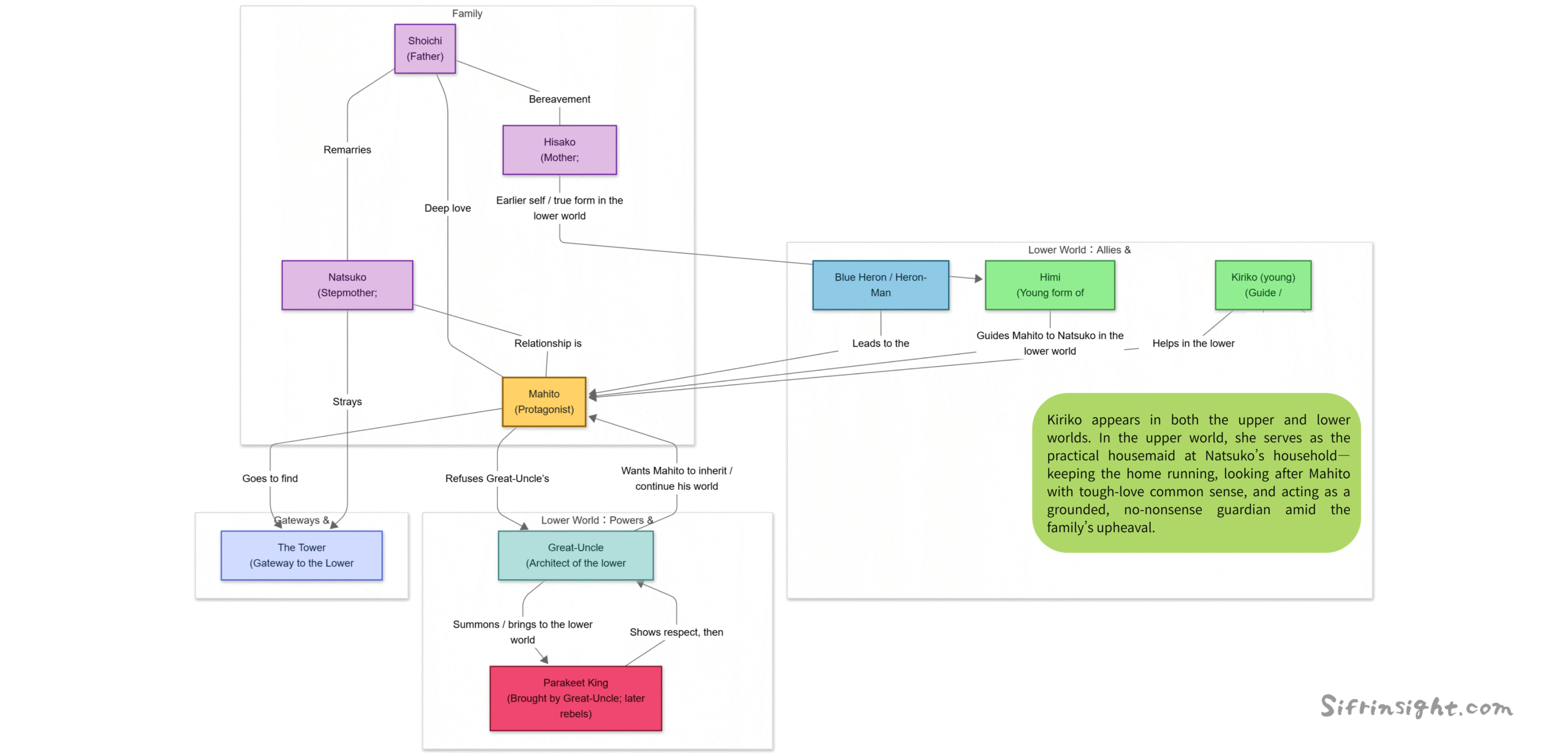
Before passing away, Mahito’s biological mother, Hisako, left him a copy of Genzaburō Yoshino’s classic novel How Do You Live?. Reading this book becomes the psychological anchor that allows Mahito to process his paralyzing grief.
Decades earlier, Hisako and Natsuko’s eccentric great-uncle became dangerously enthralled by the cosmic power of a fallen meteorite. He constructed a massive tower around it and vanished inside. Driven by a desperate need to rescue Natsuko, Mahito eventually breaches this tower, stumbling into the bizarre “lower world” engineered by this very granduncle.
Fascinatingly, Hisako herself vanished into this tower for an entire year when she was a young girl. The fire-wielding maiden Himi—who guides Mahito through the underworld—is actually his own mother, existing in that timeline alongside a youthful Kiriko.
Deep Character Profiles, Voice Actors, and Psychological Analysis
Mahito|Voiced by: Luca Padovan
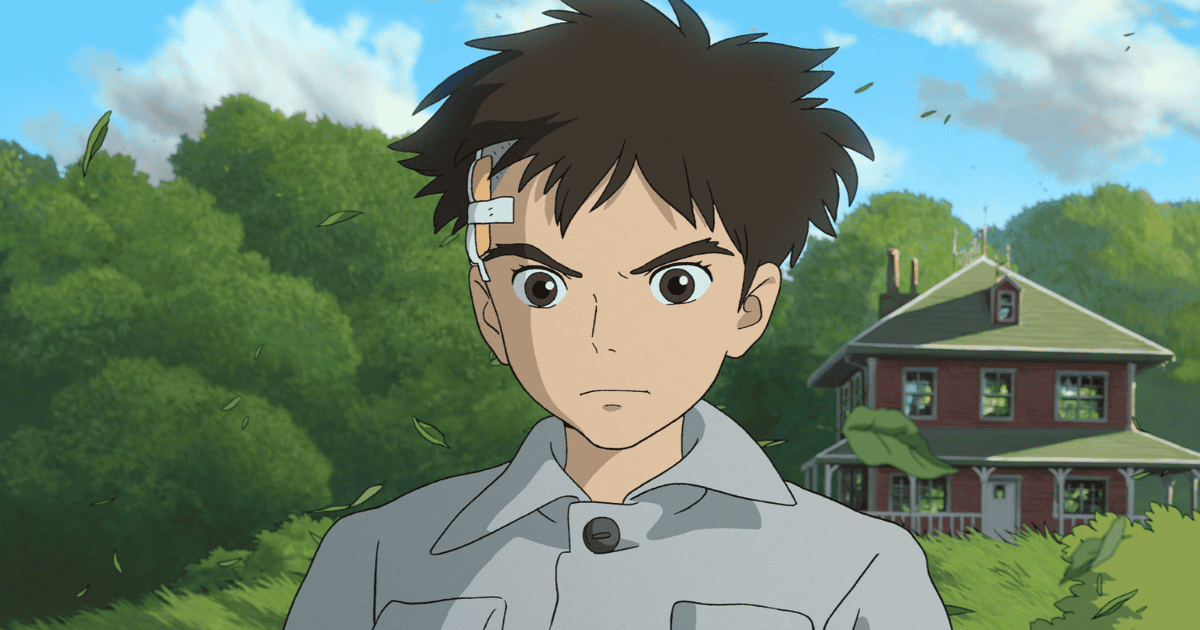
Mahito’s Profile: The Boy Consumed by Grief
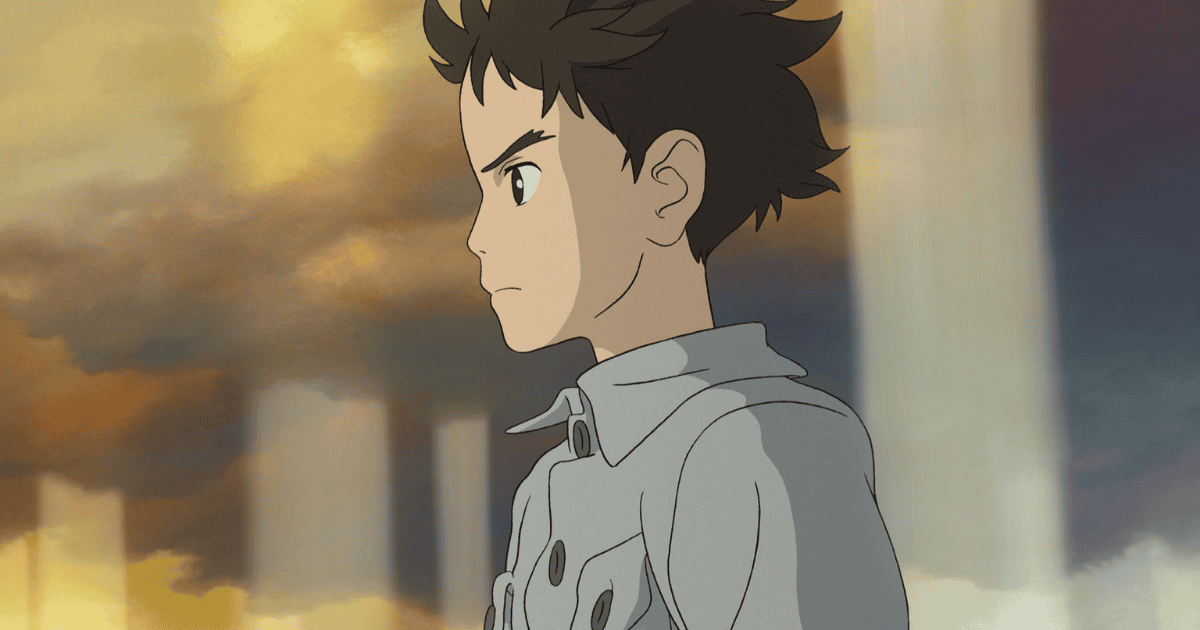
At the center of this psychological labyrinth is 11-year-old Mahito Maki (a 6th-grade student). His journey begins in the fiery ruins of Tokyo, where he suffers the agonizing trauma of losing his mother in a horrific hospital fire.
As the Pacific War ravages the country, Mahito and his father evacuate to his late mother’s rural hometown. There, he is forced to confront a jarring new reality: his father has married Natsuko, his mother’s younger sister, who is already pregnant with a new child.
The Crushing Weight of Alienation
Despite the relocation, his father Shoichi continues to shower him with intense—if somewhat misguided—affection. Yet, Mahito feels completely suffocated by a profound sense of “alienation” living at the “Aosagi Yashiki” (Blue Heron Mansion), the very estate where his mother grew up.
His father has seamlessly started a new life with Natsuko and their unborn child. From Mahito’s perspective, it feels like a three-against-one dynamic. He is a ghost haunting his own family, utterly convinced that the Blue Heron Mansion is a place where he does not belong.
It is within this deep depression that the Gray Heron begins to taunt him, intentionally drawing his attention to the forbidden, sealed tower in the woods. Deep down, I believe Mahito was desperately searching for an escape route. He simply wanted to be “somewhere other than here.”
The Heron’s Lure and the Resistance to Truth
Given his desperate need to escape, the Heron’s haunting whisper—”Your mother is alive”—should have been the ultimate bait. If this were a typical adventure story, Mahito would have sprinted into the tower based on that promise alone.
Instead, Mahito vehemently resists. He actively arms himself, crafting a deadly bow and arrow to hunt the bird down.
This reveals a profound psychological conflict. While a part of Mahito desperately wanted to believe the Heron’s lie, by fighting the bird, he was actually fighting against his own inability to accept his mother’s death. He knew the bird was lying, and he wanted to destroy the illusion.
The Turning Point: How Do You Live?
The true catalyst for Mahito’s journey into the fantasy realm isn’t the Heron’s trickery; it is a book. Just before stepping into the abyss, Mahito finally reads the copy of How Do You Live? that his mother specifically dedicated to him.
Through her written words, Mahito processes her enduring love and finally finds the internal resolve to accept her passing.
This fundamentally shifts his motivation. After reading the book, Mahito no longer cares about the Heron’s false promises of a resurrected mother.
The only reason Mahito marches into the treacherous tower is because his pregnant stepmother, Natsuko, has vanished inside. He enters the underworld not to chase a ghost, but to save his new mother. It is a monumental step in his emotional maturation.
The Proof of Malice and the Final Choice
After enduring the bizarre horrors of Miyazaki’s underworld, Mahito stands before the Granduncle and flatly refuses to inherit his god-like power. His reasoning is devastatingly honest: he claims his own hands are already stained with malice.
He points to the jagged, self-inflicted scar on his head as undeniable proof. This brutal act of self-harm early in the film can be interpreted in a few dark ways:
- Feeling defeated and bullied at his new school, he violently injured himself to manipulate his powerful father into seeking revenge on his behalf.
- It was a sadistic loyalty test aimed at Natsuko, designed to see how the woman attempting to replace his mother would react to a bloody crisis.
Regardless of the exact motive, Mahito acknowledges that he weaponized his vulnerability as a child to manipulate the adults around him. He recognizes this inherent “malice” within his own soul.
Mahito later describes that wound in one of the film’s most revealing lines. I examine the original Japanese, English subtitle, and the meaning of his use of “malice” in my guide to The Boy and the Heron quotes in Japanese and English.
Yet, by acknowledging his flaws, he rejects the sterile, artificial perfection of the Granduncle’s universe. He chooses to return to his messy, painful, unpredictable reality. Ultimately, The Boy and the Heron is a beautifully raw story of a boy learning to forgive himself and actively accept the world as it is.
Mahito as the Avatar of Hayao Miyazaki
While Mahito is a fully realized character, the autobiographical parallels to Hayao Miyazaki are impossible to ignore. The fact that Mahito’s father operates an aviation factory producing fighter plane parts directly mirrors reality: Director Miyazaki’s father, Katsuji Miyazaki, was the director of Miyazaki Airplane.
However, the brilliance of this film lies in its fractured metaphors. Mahito isn’t the only character reflecting Miyazaki, nor is Miyazaki the only person projected onto Mahito. We unpack this staggering multi-layered psychology in our dedicated deep dive.
Read our full analysis: The Three Miyazakis: Decoding Mahito, Shoichi, and the Granduncle
The Gray Heron / Heron Man|Voiced by: Robert Pattinson
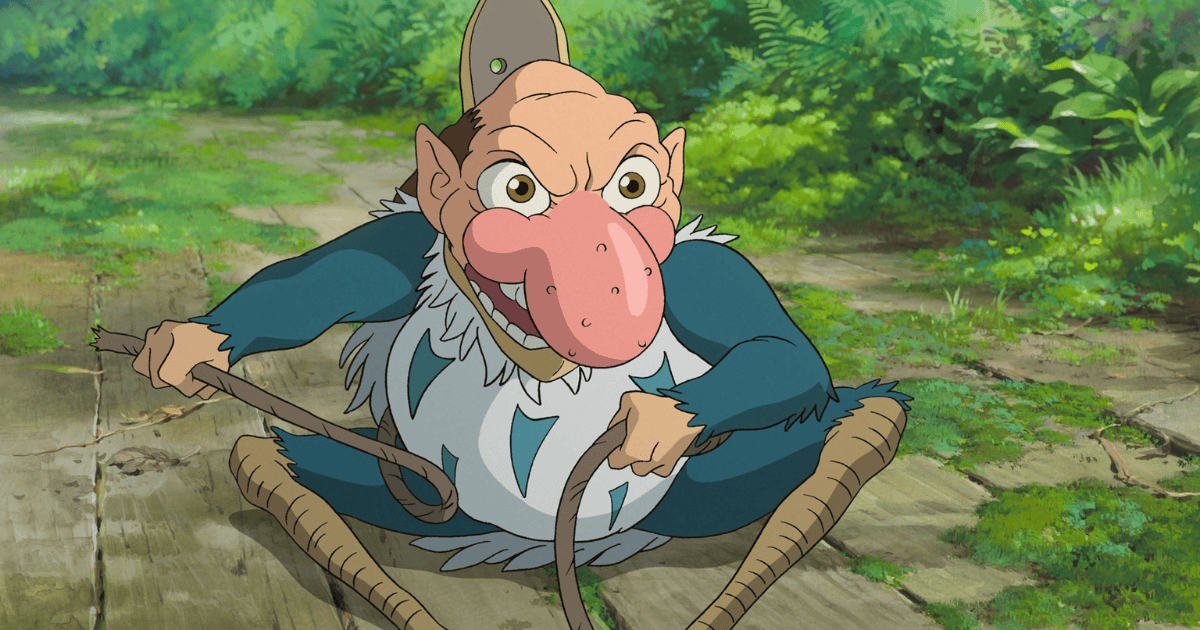
The Gray Heron’s Profile
A menacing gray heron stalks the grounds of the Blue Heron Mansion, using psychological warfare to lure Mahito into the cursed tower. However, when struck by Mahito’s arrow, the majestic bird grotesquely deflates, revealing its true form: a cynical, big-nosed, balding little man.
While he initially serves as a terrifying, malicious antagonist, the dynamic quickly shifts. The two begin bickering like an old married couple, eventually evolving into an incredibly effective, interdependent duo.
Robert Pattinson’s guttural, unhinged vocal performance provides absolute comedic gold in an otherwise heavy, grief-stricken narrative.
The Heron Man as Producer Toshio Suzuki
If Mahito serves as an avatar for Hayao Miyazaki, who does the manipulative, aggravating, yet fiercely loyal Gray Heron represent?
The answer is undisputed: legendary Studio Ghibli Producer Toshio Suzuki.
Suzuki has stood shoulder-to-shoulder with Hayao Miyazaki and Isao Takahata since the very dawn of Studio Ghibli. He is the mastermind who constantly coaxed, manipulated, and supported Miyazaki into creating animation.
If the surreal underworld created by the Granduncle represents Miyazaki’s “world of creation,” then Mahito and the Heron fighting side-by-side perfectly symbolizes the grueling, decades-long cinematic journey Miyazaki and Suzuki survived together.
But why did Miyazaki choose to portray his lifelong friend as a sagi (a Japanese pun meaning both “heron” and “swindler”)? When you look back at the aggressive, borderline-fraudulent business tactics Suzuki employed to keep the studio afloat, the joke becomes absolutely brilliant.
Discover the legendary bluffs: The Masterful ‘Frauds’ of Toshio Suzuki That Built Studio Ghibli
Kiriko|Voiced by: Florence Pugh
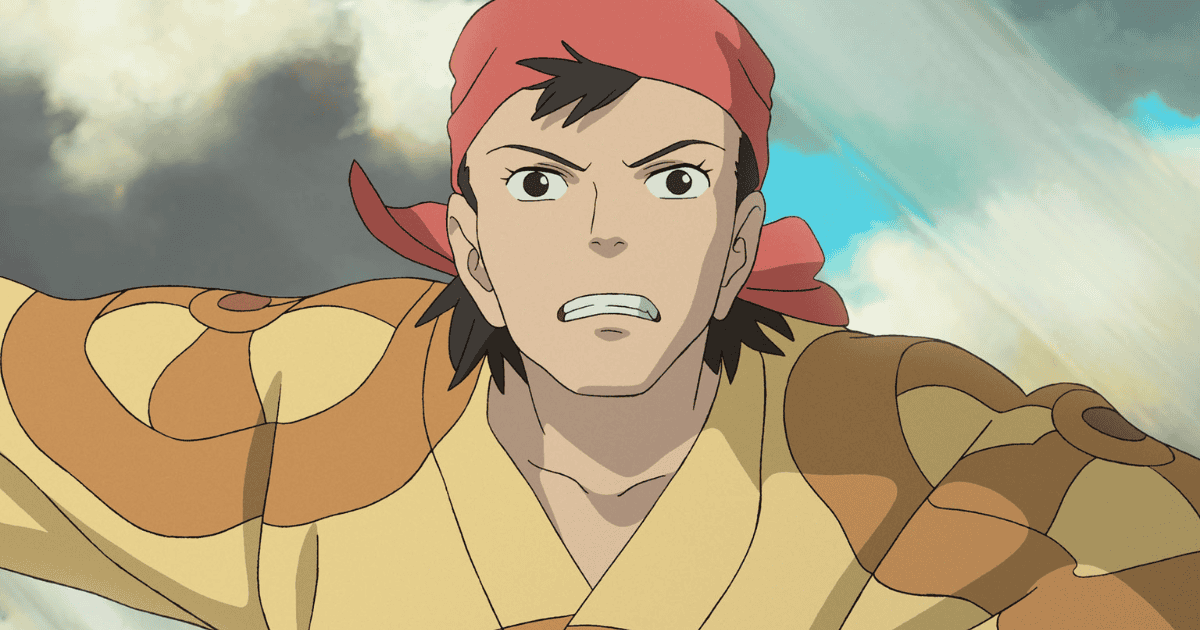
Kiriko’s Profile: The Temporal Anomaly
Kiriko is first introduced as one of the seven superstitious, elderly maids serving at the mansion. Fearing for Mahito’s safety, she bravely follows him into the cursed tower. However, once inside the underworld, Kiriko suddenly appears before Mahito as a fierce, magical young fisherwoman.
Because of this, Kiriko is the character who makes the temporal physics of the film incredibly difficult to untangle.
Where did this young Kiriko come from? It is highly unlikely that the elderly Kiriko who walked through the door simply de-aged. The young Kiriko is already an established master of the underworld’s magic and geography. When did she learn all this?
The only logical answer within the film’s chaotic lore is that the young Kiriko wandered into the tower decades ago alongside Himi (Hisako) when they were both spirited away.
At the end of the film, we see the young Kiriko exiting through the same temporal door as Himi, returning to the past. Since Himi was missing in the real world for a full year, both girls must have survived in the underworld for an extended period, during which Kiriko acquired her formidable magic.
There is still a slight age discrepancy (how did Kiriko age into an old woman by the time Hisako married Shoichi?), but time flows differently in the Granduncle’s realm.
Is Kiriko Actually Michiyo Yasuda?
If we look beyond the lore and examine the meta-narrative, a beautiful tribute emerges. I strongly believe Kiriko represents the late Michiyo Yasuda.
Yasuda was a legendary color designer and a foundational pillar of Studio Ghibli. She worked alongside Miyazaki since their early days at Toei Animation, literally painting the worlds he drew and breathing color into his masterpieces.
Michiyo Yasuda passed away in October 2016. According to the film’s production notes, Miyazaki began drafting the project in July 2016. It is highly likely that her passing deeply impacted the creation of this character.
In the underworld, Kiriko is the first person to protect and guide Mahito, followed shortly after by the Heron Man. This perfectly mirrors reality: Yasuda was Miyazaki’s senior colleague at Toei Animation long before he met Toshio Suzuki. The fact that Mahito fiercely protects the wooden Kiriko talisman signifies that Yasuda remained Miyazaki’s cherished comrade-in-arms until the very end.
This meta-reading beautifully explains the film’s ending: Himi (Miyazaki’s mother) and Kiriko (Yasuda) return through a door to the past because they have both passed away in the real world. Meanwhile, Mahito (Miyazaki) and the Heron Man (Suzuki) exit into the present because they are still alive.
Himi|Voiced by: Karen Fukuhara
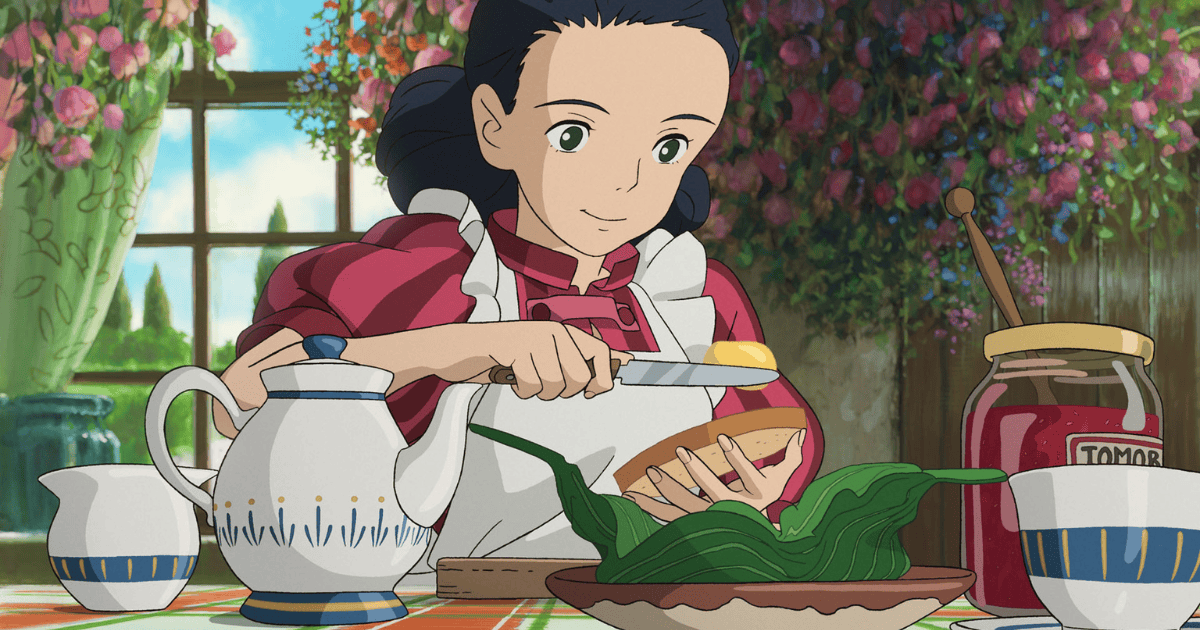
Himi’s Profile
Lady Himi is a fiercely powerful, magical girl Mahito encounters in the underworld. Her true identity is heartbreaking: she is Hisako, Mahito’s biological mother, existing in this dimension as a young girl who was “spirited away” decades prior.
Himi commands the terrifying and beautiful magic of fire, using it to obliterate the man-eating pelicans and protect Mahito on his quest to rescue Natsuko.
In the film’s tear-jerking climax, she bravely walks through the door to the past, knowing full well she is destined to become Mahito’s mother—and eventually die in a hospital fire.
Resurrecting Miyazaki’s Mother
Given the heavy autobiographical nature of the film, Himi serves as the ultimate avatar for Hayao Miyazaki’s own mother.
While Miyazaki has projected elements of his mother into almost all of his previous heroines (most notably Toki in Ponyo on the Cliff by the Sea), he has never depicted her so openly and vibrantly. Why did he choose to arm her with the very element (fire) that claimed her life in the film’s universe?
We explore this emotional creative decision, and the distinct ways he fractured the concept of “motherhood” across the cast, in our in-depth analysis.
Explore the metaphor: The Three Miyazakis: The Father, the Flame, and the Granduncle
Natsuko|Voiced by: Gemma Chan
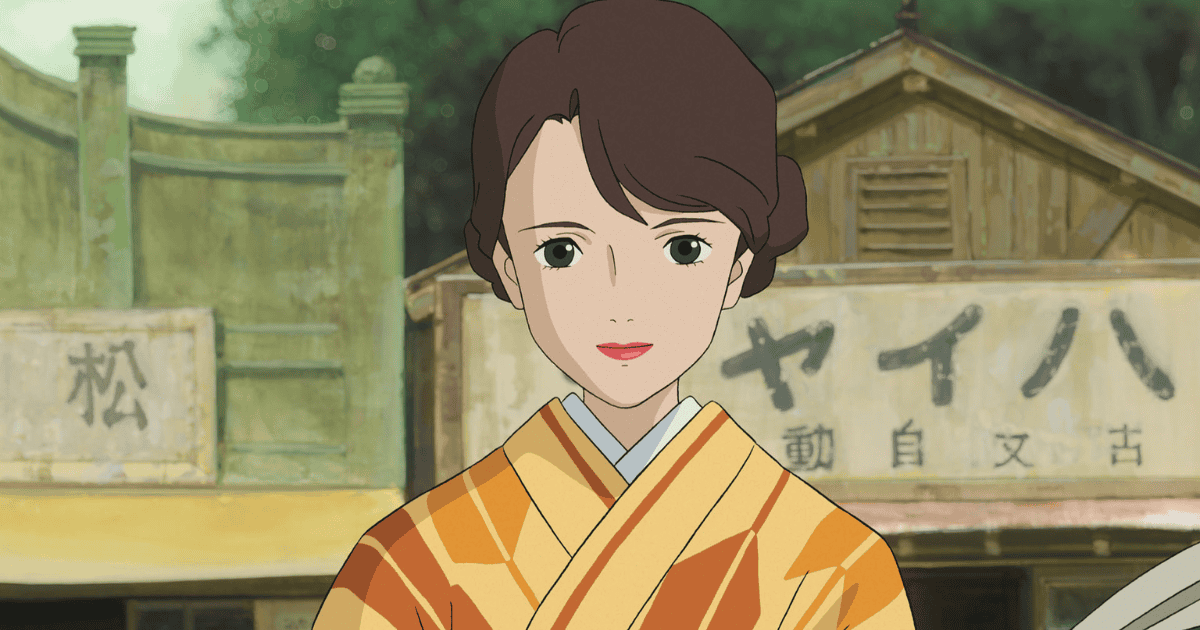
Natsuko’s Profile: The Burden of the Replacement
Natsuko is Mahito’s stepmother, but the dynamic is deeply complicated by the fact that she is the younger sister of his deceased biological mother, Hisako. In pre-war and wartime Japan, this type of marriage arrangement was quite common to keep families intact after a tragedy.
However, just because society deems it normal does not mean it is emotionally easy. As an audience, our sympathy naturally gravitates toward the grieving child, Mahito. But we must acknowledge a brutal truth: accepting Mahito and stepping into her dead sister’s shadow is an agonizing, monumental burden for Natsuko.
She is a pregnant adult desperately trying to build a cohesive family. But her husband, Shoichi, is constantly away at the factory, leaving her alone to care for a deeply traumatized, hostile stepson who physically resembles her dead sister.
It is entirely understandable why Natsuko would suffer a psychological break and yearn for “a quiet place to give birth in peace.” This suffocating pressure is precisely what drives her to vanish into the mysterious tower.
When Mahito finally breaches the spiritual delivery room, Natsuko violently screams at him to leave. It is a raw, terrifying release of her repressed anxiety. But instead of fleeing, Mahito calls her “Mother” for the very first time. That single word shatters her defenses, bridging the gap between them.
Natsuko bears the silent, crushing weight of this family’s survival. Ultimately, The Boy and the Heron is a film that profoundly affirms the struggles of the living.
Shoichi|Voiced by: Christian Bale
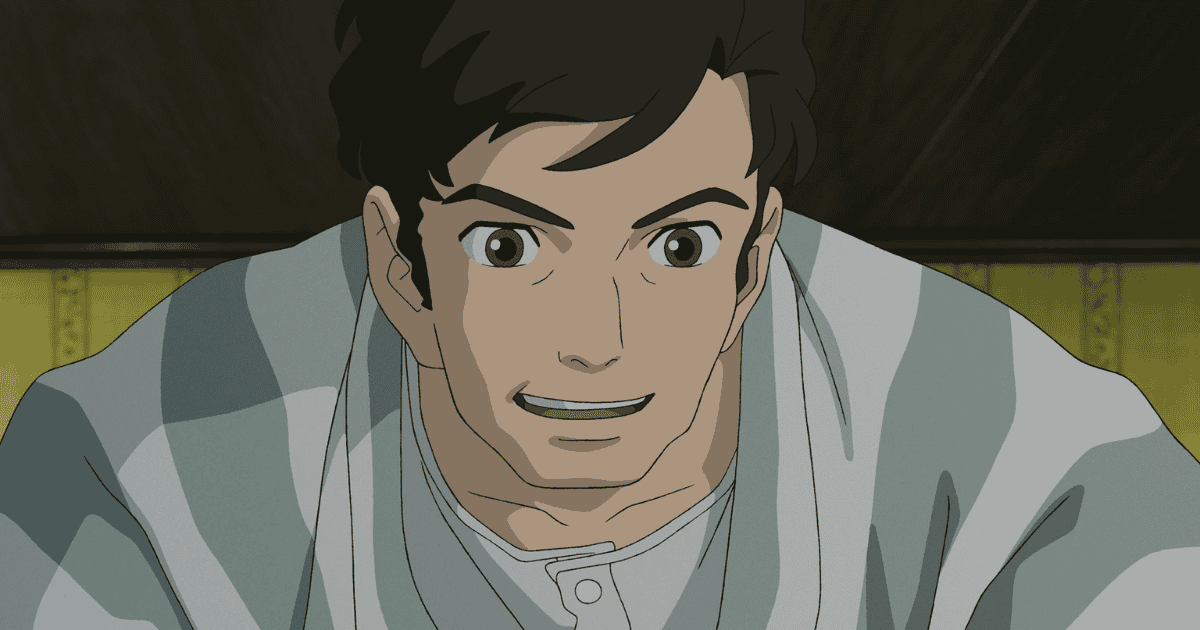
Shoichi’s Profile
Shoichi is Mahito’s 37-year-old father, a wealthy industrialist running an aircraft manufacturing plant vital to the war effort.
He is a fascinating departure from typical Ghibli fathers. He showers Mahito with intense, almost overbearing affection. His ostentatious displays of wealth—like driving Mahito to a rural school in a flashy car—are undeniably tone-deaf and end up making Mahito a target for bullies.
Yet, when Mahito goes missing, Shoichi doesn’t hesitate to grab a Japanese sword and charge into a magical, terrifying forest to save his son. We can’t help but think: What an incredibly fierce dad.
Shoichi as Katsuji, and as Hayao Himself
Because Shoichi runs an aircraft factory, he is an undeniable historical avatar for Director Miyazaki’s real-life father, Katsuji Miyazaki.
However, as the film reaches its conclusion, the symbolic identity of Shoichi shifts, and he begins to represent Hayao Miyazaki himself stepping into the role of a supportive father. We dissect this incredible metaphorical shifting in our deep dive:
Read the full analysis: The Three Miyazakis: The Final Message to His Son
Warawara|Voiced by: (Uncredited)
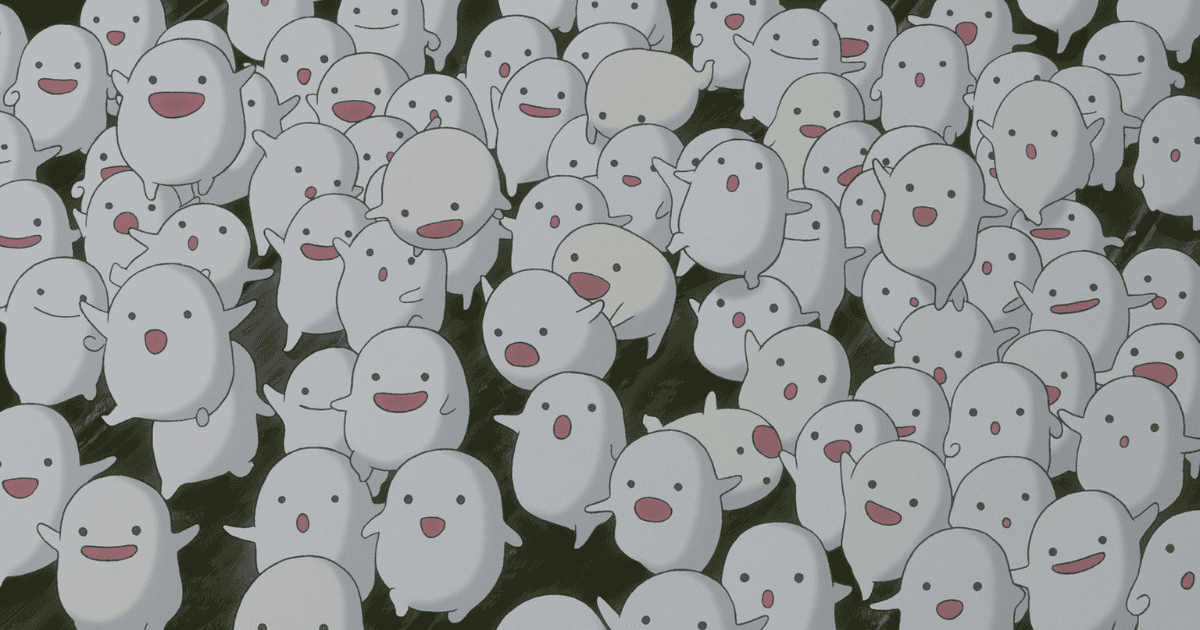
The Warawara’s Profile
These adorable, balloon-like spirits reside in the underworld. According to Kiriko, they ascend to the “world above” to be born into human bodies.
Miyazaki is famous for injecting aggressively charming mascots into his films—from the Fox Squirrels in Nausicaä to the Soot Sprites in Spirited Away—and the Warawara absolutely steal the show here.
However, we must remember that the entire “Lower World” is a pocket dimension engineered by the Granduncle. Therefore, the concept that “the Warawara are the pre-incarnate forms of human souls” is technically an artificial lore constructed by the Granduncle within the movie itself.
This layered reality—a fiction nested within a fiction—makes fully grasping the physics of The Boy and the Heron an incredibly challenging, rewarding task.
The Parakeet King|Voiced by: Dave Bautista
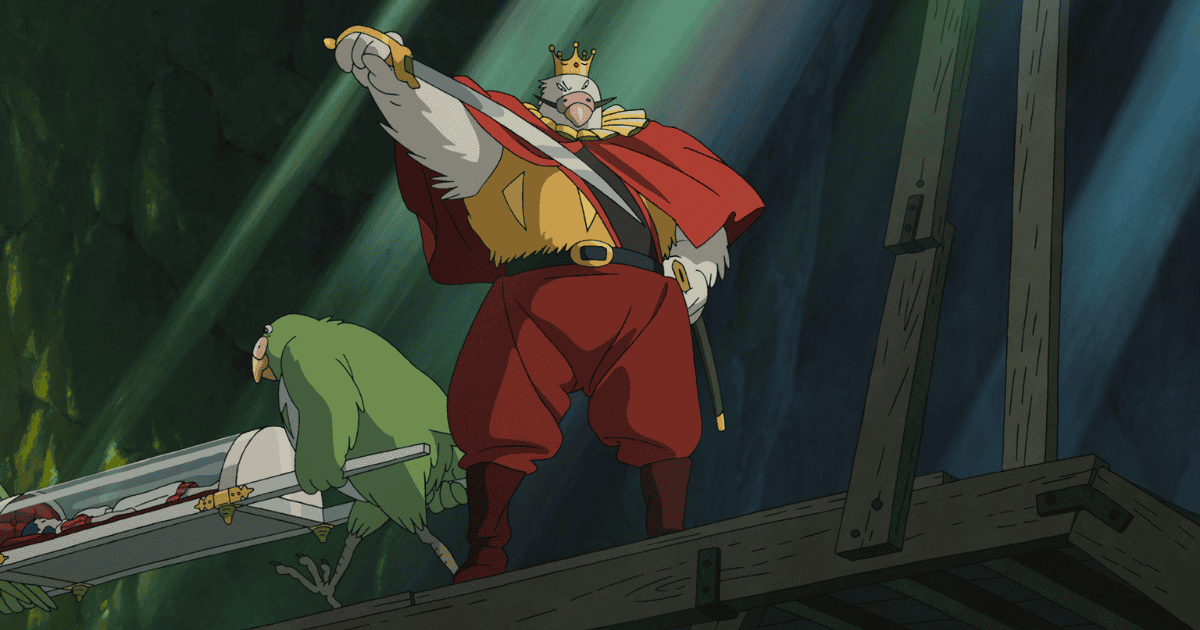
The Parakeet King’s Profile
The fascist, sword-wielding ruler of the giant, man-eating parakeets that infest the underworld. Originally brought into the dimension by the Granduncle, the King grows ambitious and demands total control over the realm, ultimately leading to its destruction.
Decoding exactly what the Parakeet King represents requires looking at a startling confession from Toshio Suzuki in SWITCH Vol.41 No.9:
Miya-san says, “The Parakeet King is me.” And he also said, “The other self I desperately wanted to be is Mahito.”
(Original Text in Japanese)
宮さんは「インコ大王は自分だ」と言う。そして「なりたかったもう一人の自分が眞人だ」と言っていました。
Why would Miyazaki view himself as a destructive, devouring tyrant? We unpack this dark self-criticism in our dedicated article on the film’s avian metaphors:
Read the full analysis: Devouring Talent: The Dark Metaphor of the Parakeet King
Noble Pelican|Voiced by: Willem Dafoe
Noble Pelican’s Profile
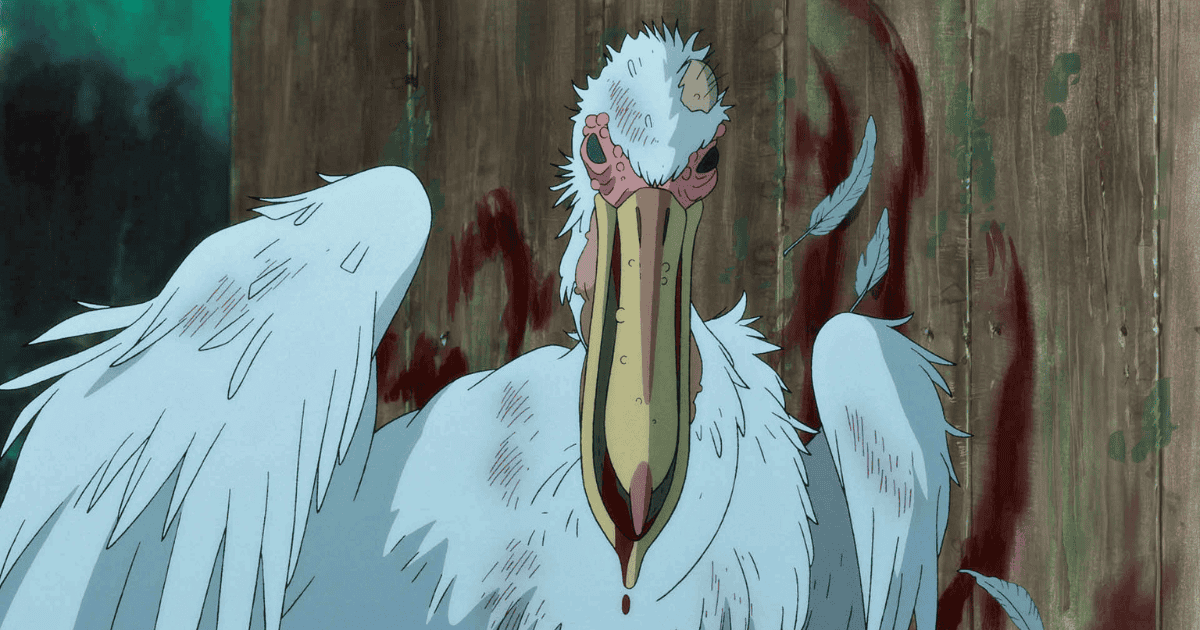
A tragic, starving pelican trapped in the underworld. His flock is forced to devour the innocent Warawara simply to survive. Mortally wounded by Himi’s defensive flames, he delivers a heartbreaking monologue before Mahito respectfully buries him.
[Image of a food chain ecosystem diagram]The Guilt of Devouring Talent
To understand the true tragedy of the pelican, we must align the metaphor. If the “Lower World” represents Studio Ghibli’s harsh creative ecosystem, then the ascending Warawara represent the raw, youthful talent trying to bloom.
The fact that the pelicans are cursed to devour them points directly to a haunting confession Miyazaki made in the documentary Never-Ending Man: Hayao Miyazaki:
“I really feel like it’s over. I mean, I tried to raise successors. But when you raise successors and let them do it, you end up devouring them. You devour their talent… There’s not a single person left who I want to give a chance to. The studio consumes people.”
(Original Text in Japanese)
「おわったんだなーってほんとに思うんだよ。いや、後継者を育てたよ。それで、後継者がそだって、やらせると、結局食べちゃうことになるんですよ。この人たちの才能食べちゃう。こいつにやらせてみたいという人間は一人もいなくなった。スタジオは人を食べてくんですよ。まあ、これがだから宿命だからね~。まあ、食べて。それで、おしまいになっちゃって、ぴしゃっとさ。なんの未練もないんだよ。」
When the starving pelican laments that his kind are cursed to eat the Warawara, it is Hayao Miyazaki’s agonizing plea for forgiveness. He is confessing his own inability to stop consuming the talent around him to feed his cinematic hunger.
Dive deeper into this metaphor: The Sins of the Pelicans and Parakeets
Granduncle|Voiced by: Mark Hamill
Granduncle’s Profile
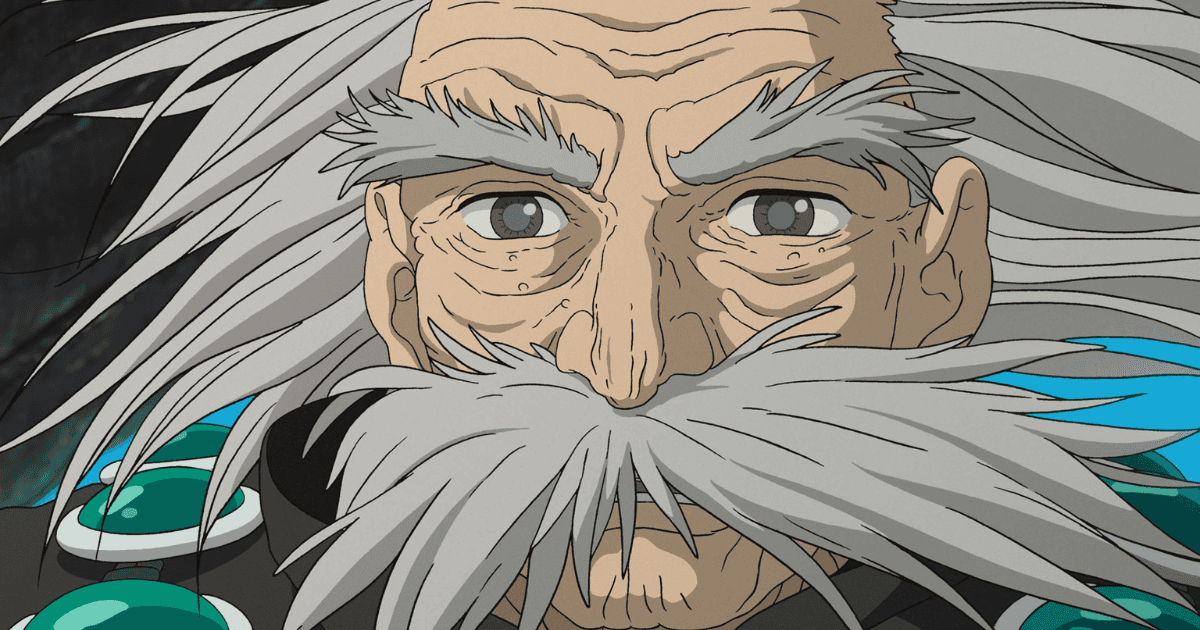
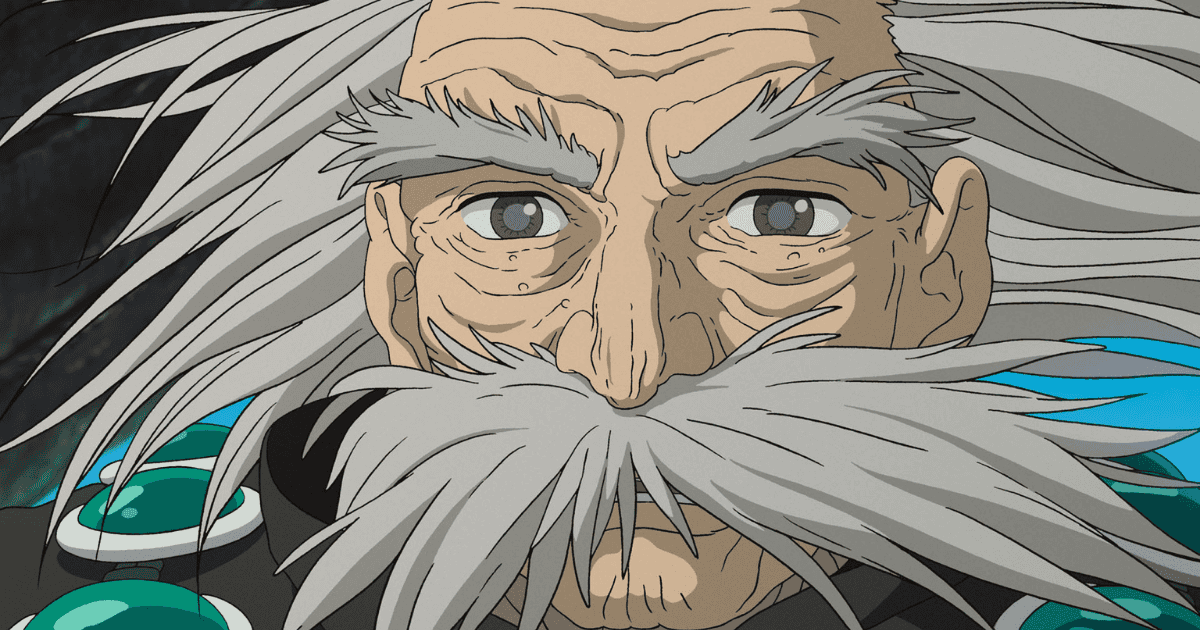
The eccentric, brilliant ancestor of Hisako and Natsuko. He was mesmerized by a cosmic meteorite that crashed into the estate and built a massive tower to contain its power, eventually vanishing inside to become the architect of a magical universe.
Obsessed with maintaining the delicate balance of his collapsing world, he tasks his blood-relative, Mahito, with inheriting the throne. When Mahito refuses, the universe shatters.
The Granduncle as Isao Takahata (and Miyazaki)
In the NHK documentary “Professional Work Style: 2399 Days with Ghibli and Hayao Miyazaki,” Director Miyazaki explicitly states that “the model for the Granduncle is Isao Takahata,” his late, legendary mentor and rival.
However, when you analyze the Granduncle’s obsessive need for control and the fragile universe he built, it becomes obvious that Miyazaki projected massive amounts of his own ego and anxieties onto the character as well. Even Hiromasa Yonebayashi, a former Ghibli elite animator, voiced this exact suspicion on social media, noting that the character feels like a hybrid of both masters.
The Cipher of the 13 Malice-Filled Stones
During the climax, the Granduncle begs Mahito to stack 13 pure, “cold stones” to save the universe. It is heavily theorized that these 13 stones represent the precise number of films Hayao Miyazaki has directed.
However, to crack this cinematic cipher, we must also account for the 8 crumbling stones the Granduncle had already stacked before Mahito arrived.
By mapping out the joint filmographies of Isao Takahata and Hayao Miyazaki, the numbers “8” and “13” perfectly align with their collaborative history.
Unlock the secret timeline here: Cracking the Code of the 8 and 13 Malice-Filled Stones
Other Characters and Voice Actors
The Seven Old Maids
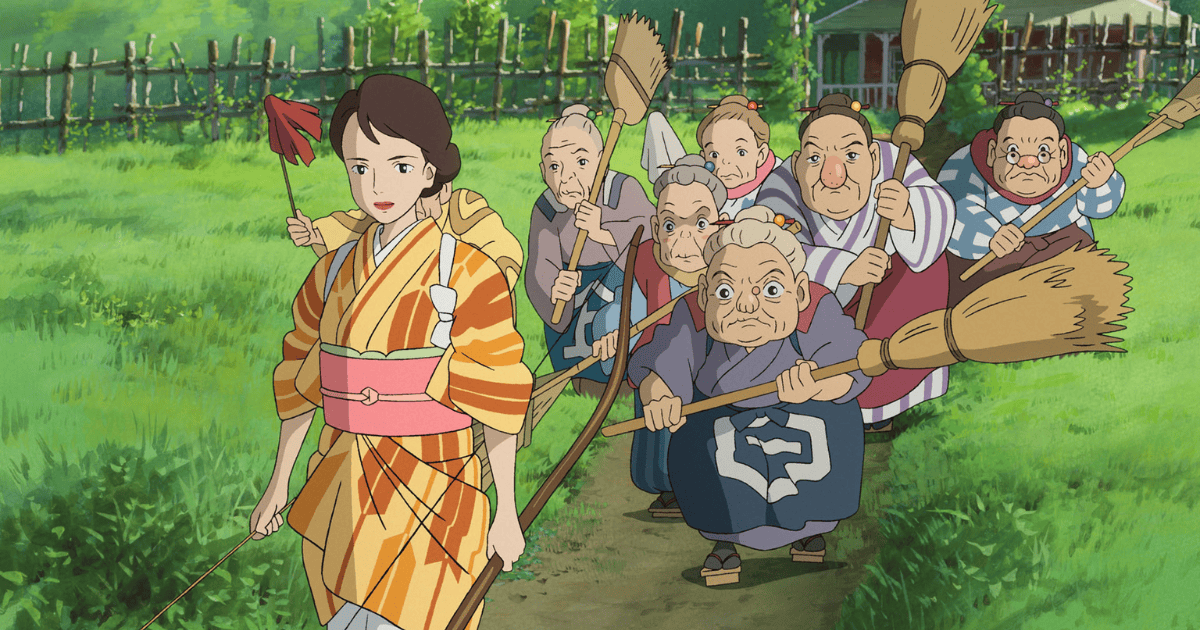
These seven eccentric, highly superstitious elderly maids serve at the Blue Heron Mansion and act as Mahito’s fiercely protective caretakers. The English dub assembled a fantastic cast of veteran character actors to bring them to life.
- Aiko: Barbara Goodson
- Izumi: Denise Pickering
- Utako: Barbara Rosenblat
- Eriko: Melora Harte
- Kiriko: Florence Pugh
The Boy and the Heron (2023) Original Japanese Voice Cast List
| Character Name | Voice Actor |
|---|---|
| Mahito Maki | Soma Santoki |
| The Gray Heron | Masaki Suda |
| Himi | Aimyon |
| Natsuko | Yoshino Kimura |
| Shoichi Maki | Takuya Kimura |
| Granduncle | Shōhei Hino |
| Kiriko | Ko Shibasaki |
| Noble Pelican | Kaoru Kobayashi |
| The Parakeet King | Jun Kunimura |
| Izumi | Keiko Takeshita |
| Utako | Jun Fubuki |
| Eriko | Sawako Agawa |
| Aiko | Shinobu Otake |
The images used in this article are provided by the “Still Images of Studio Ghibli Works” collection.
Can you name the movie before the scene comes into focus?
Put your visual memory to the test with a blurred Studio Ghibli scene.

Reader Comments