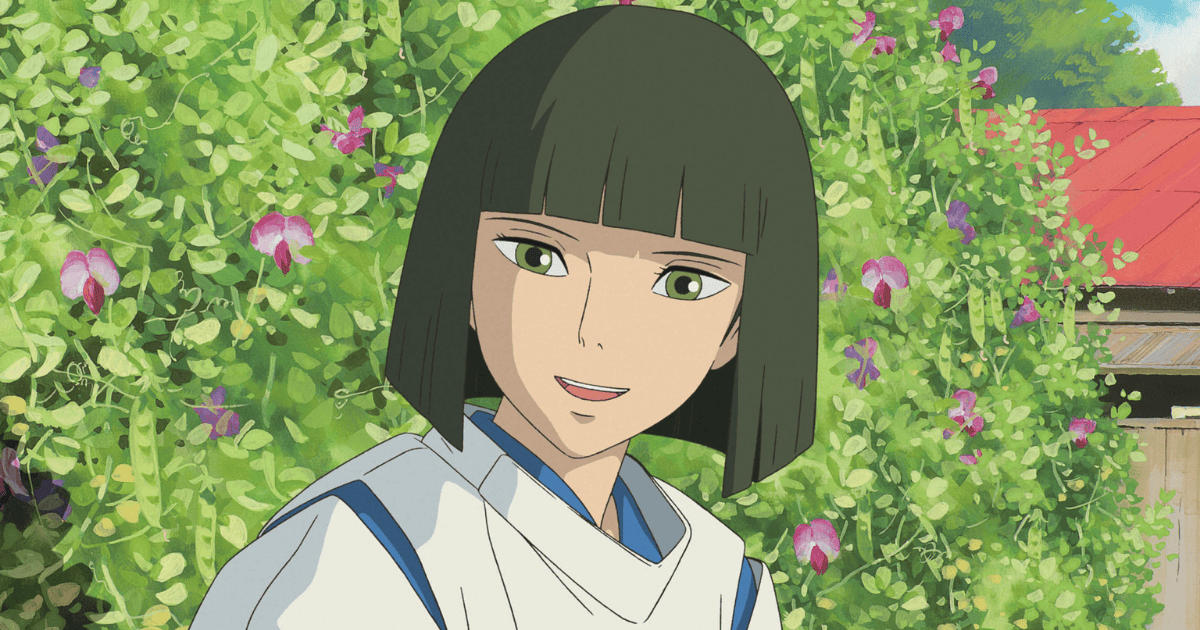
Spirited Away(Official Studio Ghibli), the Oscar-winning animated feature directed by Hayao Miyazaki, was released in 2001 and remains one of the most culturally significant films in cinematic history.
Today, I want to dive deep into a persistent, haunting “urban legend” surrounding one of the film’s central characters: Haku.
The rumor claims that Haku is actually the spirit of Chihiro’s deceased older brother.
At first glance, this sounds like a wild, edgy fan theory. However, when you start breaking down the visual evidence and psychological nuances of the film, it is shockingly compelling. In fact, if we assume Haku is her deceased brother, several unexplained mysteries in Spirited Away suddenly make perfect sense.
But that is not the only possibility. Today, we will thoroughly explore the evidence for the “Dead Brother Theory,” analyze the heavy influence of classic Japanese literature on the film, and ultimately re-examine the official lore.
Please note: Neither Director Miyazaki nor Studio Ghibli has ever confirmed this theory, so it remains strictly in the realm of fascinating fan speculation.
*This is a translated version. The original (Japanese) is available here.
- Theory 1: Haku is “Chihiro’s Dead Brother” or a “Childhood Friend.”
This theory stems from a highly specific note in the official storyboard detailing a “child’s hand,” the strangely cold attitude of Chihiro’s mother, and the heavy thematic parallels to Kenji Miyazawa’s tragic novel, Night on the Galactic Railroad. - Theory 2: The Official Interpretation—He is a “River Spirit.”
Canonically, Haku is the spirit of the Kohaku River (Nigihayami Kohakunushi). A cryptic note in the storyboard reading, “Anyone who has fallen into a river knows,” suggests Haku is a literal manifestation of divine intervention. - The Core Theme: A Story of Gratitude
If Haku represents a divine presence, the film transforms into a story about expressing gratitude to the “mysterious hands” and unseen forces that protected us while we were growing up. - Haku’s Future: A New Life in the Bathhouse
Because his physical river was paved over, Haku has nowhere to return to. We compare his bleak future to Ashitaka’s ending in Princess Mononoke, exploring the hope that Haku can build a new life as an independent entity in the spirit world.
On this pageContents
Spirited Away (2001) Analysis: What is Haku’s True Identity?
Possibility 1: Haku is Chihiro’s Deceased Brother
Evidence 1: The Storyboard of the “Child’s Hand”
The foundation of this entire theory rests on a single, fleeting flashback near the end of the film. As Chihiro rides on the back of Haku (in his dragon form) returning from Zeniba’s cottage, she suddenly remembers the day she nearly drowned in the Kohaku River as a toddler.
During this flashback, we briefly see a hand reaching into the water to save little Chihiro. For years, I simply assumed this was her father’s hand (the sleeve looks like an adult’s short-sleeved shirt). However, if you examine Hayao Miyazaki’s official, hand-drawn storyboards for the film, he explicitly labels this specific frame as: “A child’s hand (子供の手, in Japanese).”
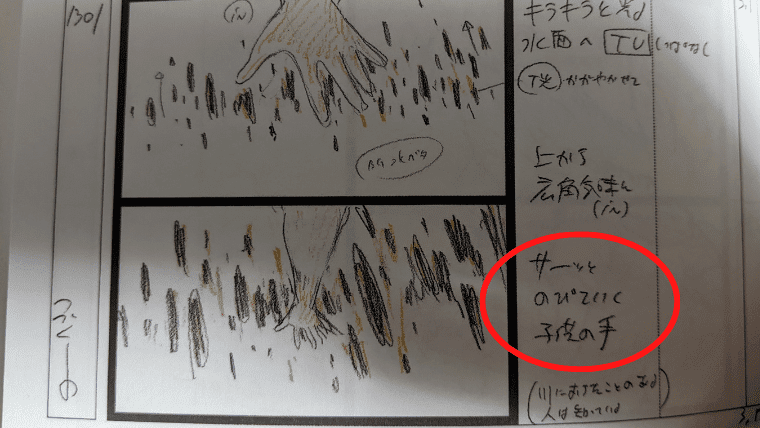
This raises a massive, chilling question: Whose hand is it?
The “Dead Brother Theory” posits that the hand belongs to Chihiro’s older brother. Because he is never mentioned or seen in the present day, the theory suggests that he tragically drowned in the river while attempting to save Chihiro (or while trying to retrieve her dropped shoe).
While this sounds incredibly dark, assuming that Chihiro was indirectly responsible for her brother’s death suddenly explains one of the most unsettling aspects of the film’s opening.
Evidence 2: The Coldness of Chihiro’s Mother
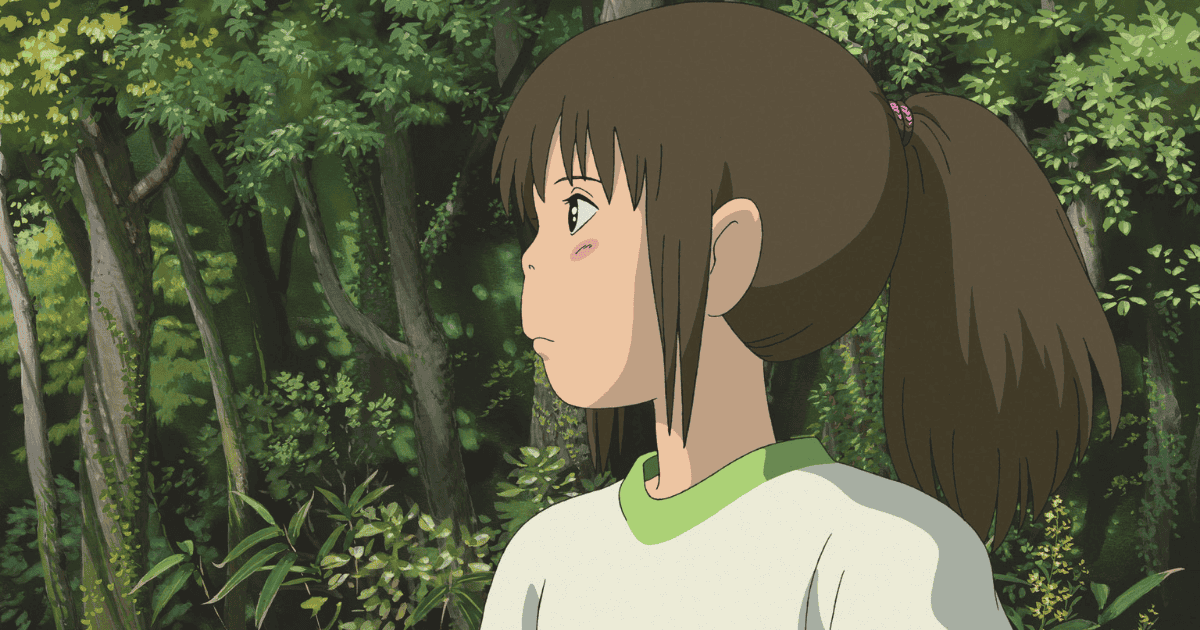
From the very first scene of Spirited Away, many viewers notice a strange, subtle tension between Chihiro and her mother. The mother’s attitude is noticeably curt, detached, and at times, bizarrely cold.
If we apply the “Dead Brother Theory,” this invisible wall between mother and daughter makes agonizing sense.
If her eldest son died saving Chihiro, the mother would logically understand that it wasn’t the toddler’s fault. She would likely blame herself and her husband for taking their eyes off the children. However, human grief is complex and often irrational. Despite knowing Chihiro is innocent, the mother might subconsciously harbor a lingering trauma that prevents her from treating her surviving daughter with normal, unfiltered warmth.
Viewing the mother through this lens of suppressed trauma perfectly explains her puzzling, detached demeanor.
Evidence 3: The Parallels to Night on the Galactic Railroad
The final piece of structural evidence lies in Miyazaki’s literary influences. It is well-documented that Miyazaki was heavily inspired by Kenji Miyazawa’s classic Japanese novel, Night on the Galactic Railroad, while conceptualizing Spirited Away.
The iconic, breathtaking sequence where Chihiro rides the phantom train across the flooded ocean is a direct homage to Miyazawa’s work. In an interview published in The Place Where the Wind Returns (風の帰る場所, in Japanese), Miyazaki openly admitted:
“…What I really wanted to draw was the train journey. You know, falling asleep and passing through unfamiliar, ghostly towns… you rush to the conductor’s room and find it empty, with only the lights of the receding town swirling in the darkness… That is straight out of Night on the Galactic Railroad, isn’t it? (laughs)”
Here is why that is crucial: The central premise of Night on the Galactic Railroad is a story of two boys, Giovanni and Campanella, riding a mystical train. At the climax of the novel, Giovanni realizes that Campanella is already dead—having drowned in a river while saving another child.
If Spirited Away is fundamentally mirroring this novel, it is incredibly natural to assume that Haku fulfills the role of Campanella—a boy who drowned saving someone else.
If we accept this premise, Spirited Away transforms into a profoundly tragic story about a girl finally getting the chance to say goodbye to the brother who died for her.
Possibility 2: Haku is a Deceased Childhood Friend
We can slightly adjust the previous theory to make it even more aligned with Night on the Galactic Railroad. What if Haku wasn’t her brother, but simply a childhood friend who drowned trying to save her?
This adjustment shifts the dynamic from “sibling love” to a pure, tragic first love. It makes the spider-man Kamaji’s iconic line—”It’s love. It’s love”—resonate with even more devastating emotional weight.
But does this explain the mother’s cold attitude? Actually, yes.
If your toddler was the direct cause of a neighbor’s child drowning, the ensuing social fallout would be hellish. The parents would have spent years bowing, apologizing, and living with crushing communal guilt. That kind of suffocating stress would absolutely fracture a family dynamic and permanently alter how the mother interacts with the surviving child.
The fact that Chihiro’s father is also overly agreeable and passively ignores the mother’s coldness suggests he too is walking on eggshells, harboring his own pent-up grief.
Possibility 3: Haku is the River Itself
The Mystery of the “Divine Hand”
While the “Dead Brother” and “Dead Friend” theories are incredibly dark and fascinating, all the evidence is purely circumstantial. Let’s return to the canon interpretation: Haku is the spirit of the Kohaku River (Nigihayami Kohakunushi).
Let’s look back at the storyboard image of the “child’s hand.” Beneath that drawing, Miyazaki scribbled a highly cryptic note:
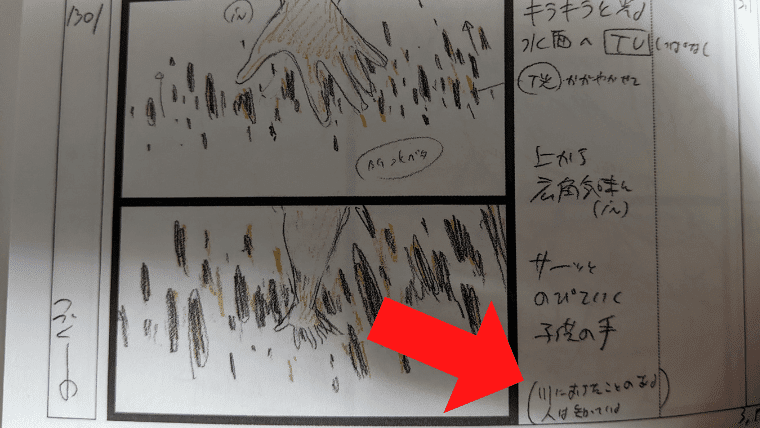
The note reads: “Anyone who has fallen into a river knows (川におちたことのある人ならしっている, in Japanese).”
I have never nearly drowned in a river, so I cannot speak from experience, but this is a profoundly strange annotation.
If the hand belonged to a physical human (a brother or a friend), bystanders on the shore would have seen it. But Miyazaki implies that this hand is something only the drowning victim can perceive.
This suggests the hand is not physical flesh and bone. It is a “mysterious, divine hand that explains the miracle of inexplicably surviving a fatal accident.”
Think about childhood. Children are fragile, reckless creatures who treat mortal danger as “play.” The fact that most of us survive to adulthood is a statistical miracle, often characterized by terrifying near-misses that we brush off as “luck.”
Miyazaki is suggesting that “luck” is actually the literal hand of a protective river god.
If we view the film through this theological lens, Spirited Away becomes a massive, spiritual parable about saying “Thank you” to the unseen forces that kept us alive.
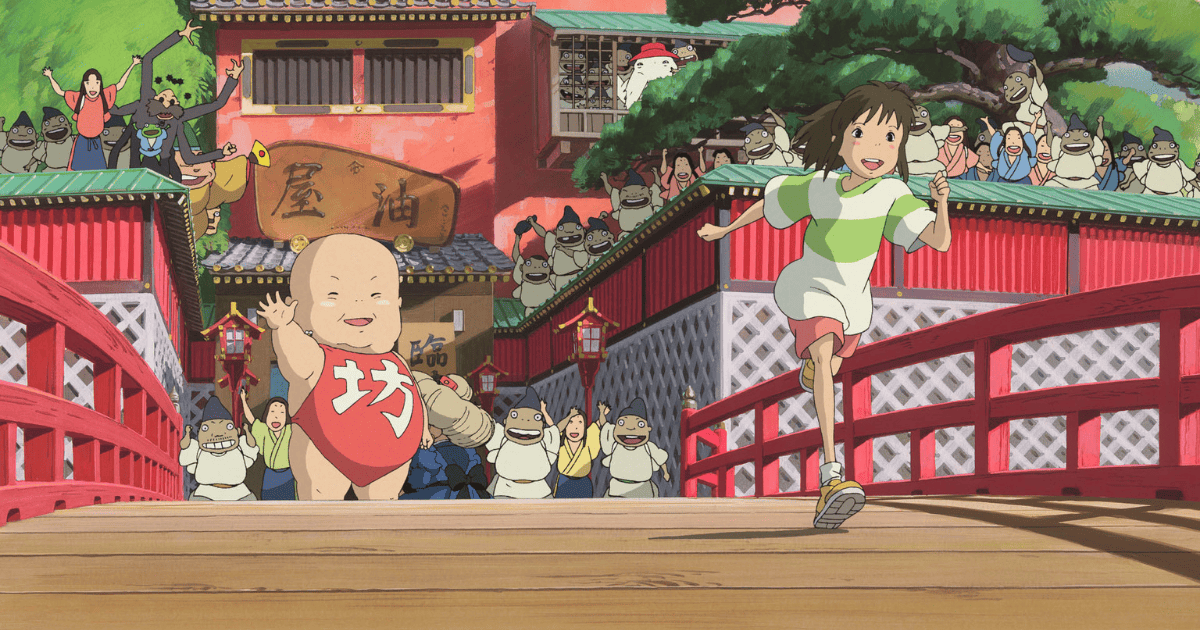
Chihiro survives the spirit world through the constant, unprompted kindness of others—Haku, Lin, Kamaji, and even the terrifying Yubaba, who gave her a job. When Chihiro leaves the boiler room, Lin screams at her: “What do you say?! You say ‘Thank you’!” This line encapsulates the entire theme of the movie.
Rethinking the Mother’s Coldness
If Haku is just a river god, how do we explain the mother’s cold attitude? The answer is brutally mundane: Because ordinary, flawed families actually act like this.
Chihiro is 10 years old. She is entering puberty, developing a complex sense of self, and acting like a brat. The parents are likely stressed about the move, dealing with the logistics of buying a new house, and feeling a mix of guilt and annoyance toward their sulking daughter.
They aren’t harboring deep trauma; they are just stressed, imperfect adults struggling to navigate their daughter’s pre-teen angst. The fact that the parents are emotionally distant might actually be the psychological catalyst that made Chihiro vulnerable to being “spirited away” in the first place.
So, where does that leave us?
While the “Dead Brother Theory” is a brilliant, intoxicating piece of internet lore that connects the dots in a highly satisfying, tragic way, I personally prefer the official canon.
I managed to survive a reckless childhood and reach adulthood. I like to believe that, just like Chihiro, there were unseen “Hakus” watching over me. Perhaps it is time for all of us to look back at our near-misses and finally say “thank you.”
Which theory do you believe?
Lore Appendix: What Happens to Haku After the Credits?
While we focused heavily on Haku’s past, what about his future?
We can only speculate, but I want to map out the best possible scenario for him. The reality of his situation is bleak for two reasons:
- Even though he successfully remembered his true name, his physical river was paved over for an apartment complex. He is a god with no home.
- We have seen this exact narrative scenario play out in another Ghibli masterpiece.
This makes Haku’s earlier warning—“Without your real name, you’ll never find your way home”—far more tragic in retrospect. I examine the Japanese wording and English translation of this line in our Spirited Away quotes guide.
Haku’s predicament is identical to Ashitaka’s in Princess Mononoke. Ashitaka was exiled from his village, stripped of his title, and told “you are no longer needed.” He was forced to wander until he discovered a brutal, industrialized new world: Irontown (Tataraba).
Despite the ambiguity of Mononoke’s ending, Ashitaka ultimately accepts his exile and builds a new life working in Irontown, commuting to see San in the forest.
Like Ashitaka, Haku has lost his geographical home. But he has gained profound independence. I like to believe that, freed from Yubaba’s mind-control slug, Haku continues to live and work in the Bathhouse. He is no longer a slave; he is a free spirit carving out a new destiny in the only world he has left.
Given his immense magical power and newfound emotional clarity, he might even be in line to take over management of the Bathhouse one day.
The images used in this article are from Studio Ghibli Works Still Images.
Can you name the movie before the scene comes into focus?
Put your visual memory to the test with a blurred Studio Ghibli scene.
I believe the child’s hand is chihiro’s hand – we are seeing her point of view when she is falling into the river. this ties out with the note “anyone who has fallen into a river knows” of course you put your hand out to try and catch your fall, and of course water simply gives way despite this instinct. love all the analysis you’ve written!
Thank you so much! I really love your take on the hand being Chihiro’s. The connection to the instinct of reaching out to catch a fall is a brilliant observation.