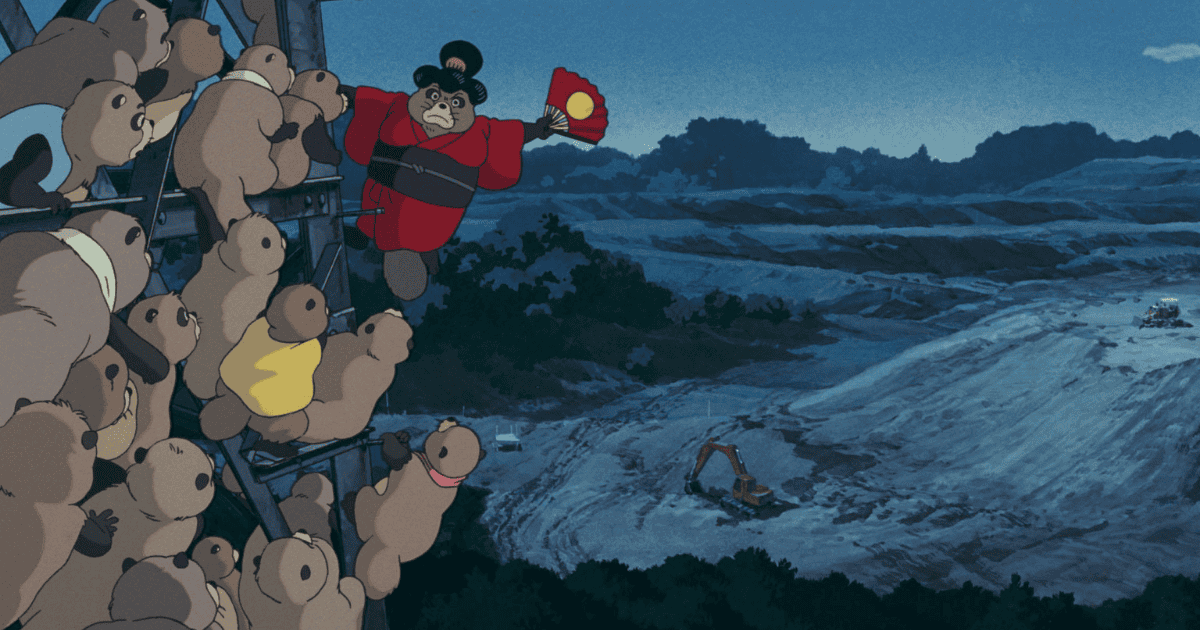
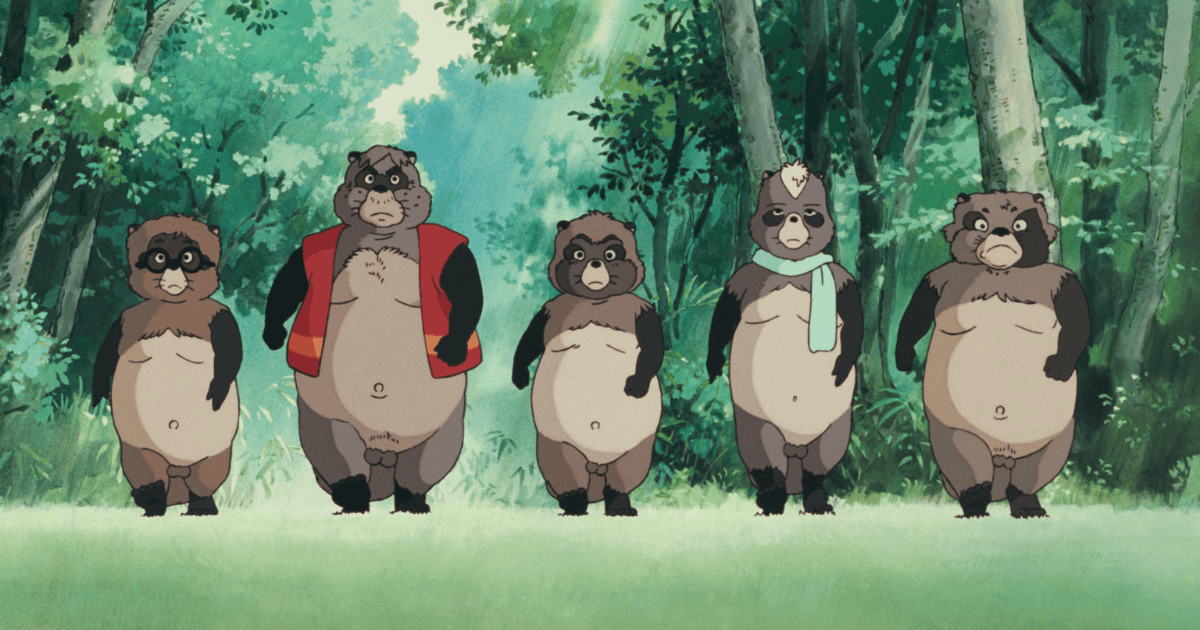
While Hayao Miyazaki often dominates the global spotlight, Isao Takahata’s 1994 animated feature, Pom Poko(Studio Ghibli Official), is arguably Studio Ghibli’s most subversive, hilarious, and culturally dense masterpiece. On the surface, it is a quirky environmental fable about shape-shifting tanuki (Japanese raccoon dogs) fighting suburban development. But beneath the cute transformations lies a fierce, meta-narrative critique of the anime industry itself—and a genuinely hilarious, traditional Japanese dirty joke hiding in plain sight.
Today, we are going to analyze the wise tanuki elder, Oroku. When she violently breaks up a civil war among her tribe at the beginning of the film, she is doing much more than advancing the plot. We will decode the real-life, behind-the-scenes studio drama driving her dialogue, and finally uncover the highly inappropriate, anatomical truth behind the bizarre “Secret Art” she teaches the young warriors.
*This is a translated version. The original (Japanese) is available here.
- Oroku’s Intervention is a Direct Critique of Miyazaki
The scene where Oroku stops the tanuki infighting is Director Takahata’s blatant, meta-level criticism of the original film concept (Happyakuya-danuki) proposed by Hayao Miyazaki and Toshio Suzuki, effectively telling his colleagues, “Making that kind of movie right now is meaningless.” - The Secret Art = A Hilarious, Anatomical Tactic
The sacred “Secret Art” Oroku taught to make the tanuki “look like a dead fox” was actually a classic, rakugo-style dirty joke. The secret was literally: “Wrap your entire body in your own giant scrotum so humans won’t recognize your corpse.” - Gonta’s Tragic “Comical Seriousness”
The fact that the aggressively proud Gonta was the only one to die in his true form, while his comrades survived disguised in raincoats—which were actually their stretched scrotums—perfectly encapsulates Pom Poko‘s masterful blending of heartbreak and lowbrow comedy.
On this pageContents
Pom Poko (1994) Analysis: The Meta-Critique and Oroku’s Dirty Secret Art
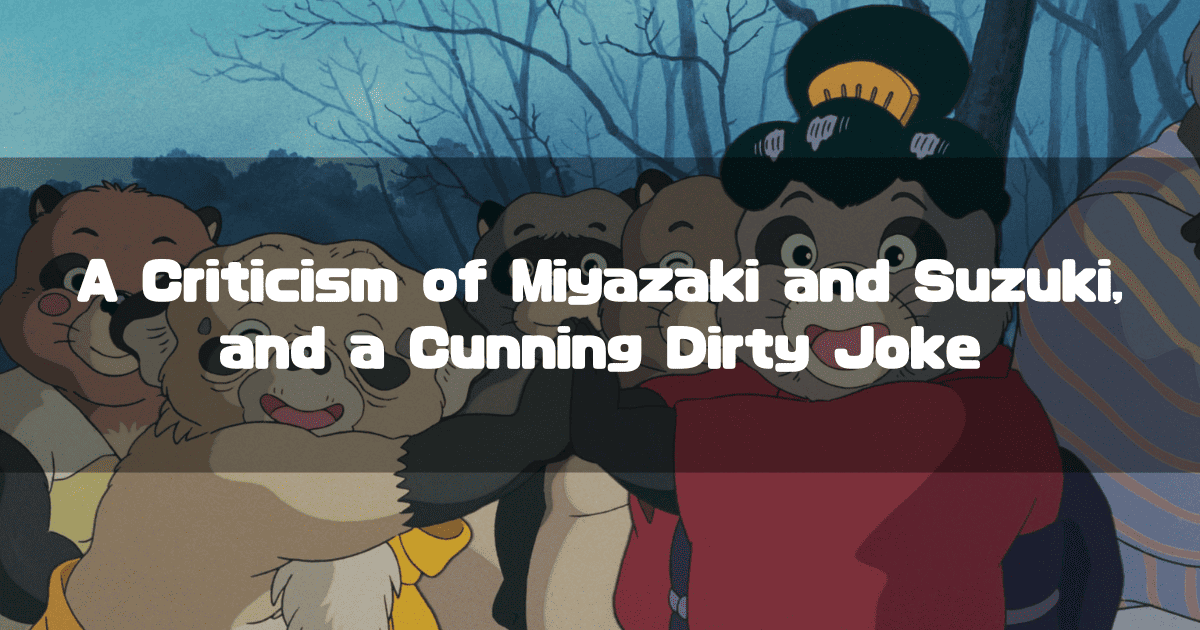
Why Did Oroku Stop the Tanuki Infighting?
To understand exactly why Oroku puts a violent stop to the tanuki civil war in the opening act, we have to look at a famous, behind-the-scenes story regarding the troubled conception of Pom Poko.
The Pitch for Shigeru Sugiura’s Happyakuya-danuki
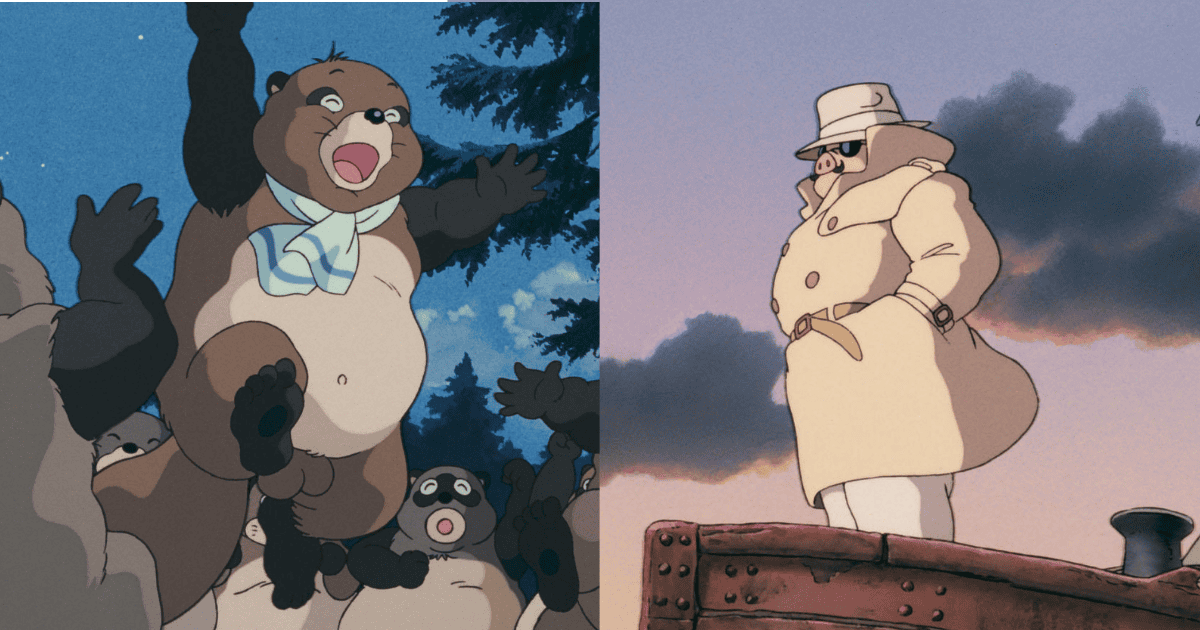
According to Producer Toshio Suzuki’s essay in Ghibli Textbook 8: Pom Poko (ジブリの教科書8:平成狸合戦ぽんぽこ, in Japanese), the seed for the movie was planted by Hayao Miyazaki shortly after wrapping Porco Rosso. Miyazaki allegedly told Suzuki: “Since I did a pig, Takahata-san should do a tanuki.“
What he likely meant was, “Since I exposed a deeply vulnerable, autobiographical part of myself in Porco Rosso, Takahata needs to do the same.” Naturally, Suzuki was enthusiastic about the idea.
So, what direction should a tanuki movie take? Miyazaki and Suzuki enthusiastically pitched an adaptation of Shigeru Sugiura’s classic manga, Happyakuya-danuki.
I actually bought the manga on Amazon to see what they were talking about. While it certainly possesses Sugiura’s signature charm and pleasant pacing, it is absolutely nothing like Pom Poko. It is a traditional “poetic justice” fable where mischievous tanuki act like fools and are ultimately punished. (It’s not expensive, and I highly recommend checking it out!).
Director Takahata, however, found the Happyakuya-danuki pitch completely uninteresting. He refused to make a simple fable. Instead, he teamed up with writer Hisashi Inoue, conducted exhaustive historical and folkloric research on “what the tanuki represents to the Japanese soul,” and painstakingly forged the masterpiece that is Pom Poko.
As a direct result of this studio friction, Takahata chose to open the film with Oroku violently shutting down the foolish infighting.
The Meta-Critique Behind Oroku’s Words
Once you know the backstage drama, the meta-meaning of Oroku’s scene becomes glaringly obvious. Takahata is essentially saying:
“If I actually directed an adaptation of Happyakuya-danuki in this modern day and age, it would look exactly like this foolish civil war. Do you really think making a movie like that is a good idea?”
To put it more bluntly, he was speaking directly to Miyazaki and Suzuki through Oroku: “This is the lazy project you guys pitched me. Do you really think it’s acceptable for us to be making a film like this right now? Of course not! Sit down, and I’ll show you the kind of movie Studio Ghibli should be making!” This fierce artistic pride is the true engine driving Oroku’s intervention.
It is incredibly clever filmmaking.
That scene serves as the film’s ultimate thesis. It establishes the tanukis’ immediate environmental crisis—”This is no time to be fighting amongst ourselves when humans are stealing our territory!”—while simultaneously acting as a blistering critique of his colleagues’ initial pitch.
That same critical, meta-narrative spirit explodes visually during the famous Yokai Grand Operation parade sequence (a fascinating topic I will analyze in a future article).
However, we must never forget that in moments like these, Takahata’s sharpest critique is often aimed squarely at us: the consumers of animation.
If we, as anime fans, consumed media in moderation, took the philosophical lessons to heart, and actively fought to improve our real-world lives, perhaps Takahata might have been content making a lighthearted romp like Happyakuya-danuki.
But instead, we tend to get hopelessly lost in anime, using it as a convenient tool for absolute escapism. I believe this widespread cultural escapism was what Director Takahata feared the most. Oroku’s desperate scream of “This is no time for this!” mirrors the exact same meta-structure as Hideaki Anno’s finale in The End of Evangelion (and Evangelion: 3.0+1.0, for that matter), actively ordering the audience to “Go back to your daily lives!”
Takahata’s own self-admonition for earning a living through “fabrications” and “fiction,” combined with his frustration toward escapist fans, is powerfully condensed into Oroku’s scolding.
Now, with the heavy philosophy out of the way, let’s move on to the highly questionable “Secret Art” taught by Oroku.
What Was the Bizarre Secret Art Taught by Oroku?
I’ve been writing in a fairly serious, academic tone up to this point, but from here on out, we are descending into pure, traditional Japanese lowbrow humor. The burning question is: “What exactly was the Secret Art taught by Oroku?” To solve this, let’s recall the recipients of the lesson.
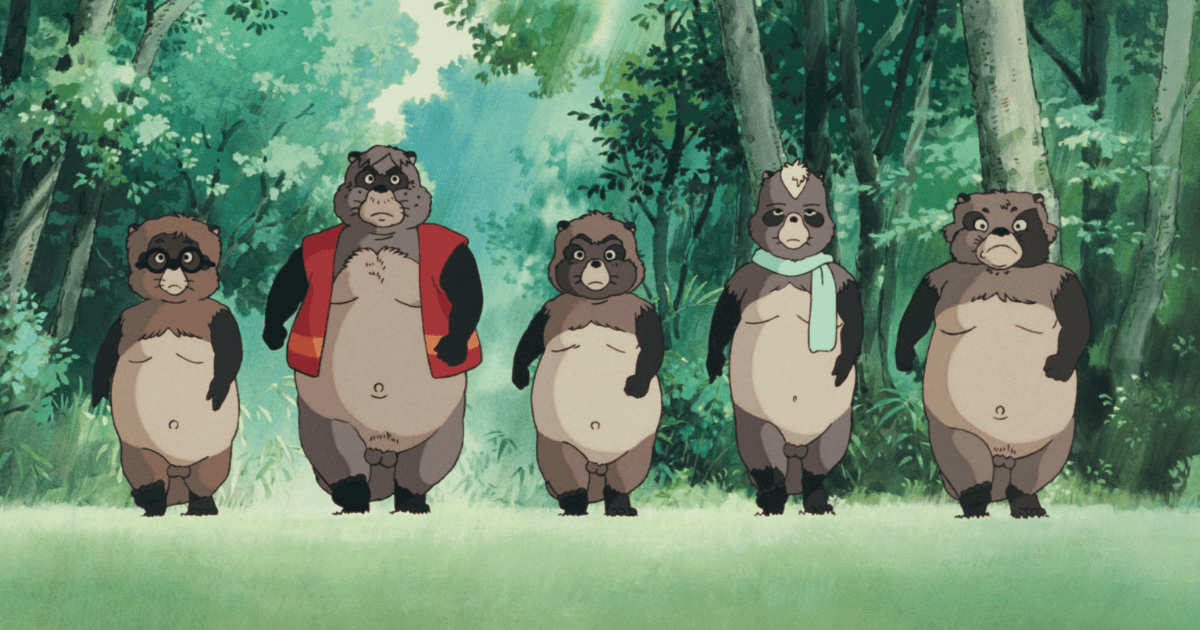
To prepare for their war against the humans, the Tama tanuki frantically educate their youth, graduating Shokichi and Gonta as their first elite class. The aggressive, hot-blooded Gonta immediately drafts a radical “Mankind Annihilation Plan,” but the pragmatic elders, including Oroku, strongly oppose it. As viewers, we agree with the elders, but youthful arrogance cannot be contained. Even the level-headed Shokichi gets swept up in Gonta’s violent momentum.
The real problem occurs next.
The elders’ greatest fear was that the young warriors would be killed and “their true tanuki forms would be revealed to the humans.” While we in the real world know a dead raccoon dog isn’t a national security threat, to the shape-shifters, it is a catastrophic breach of secrecy. As a countermeasure, Oroku teaches the strike force a sacred Secret Art. The promised effect is astonishing. Using this art will allegedly make you:
Look exactly like a dead fox for 5 days.
However, there is a massive plot hole here. Based on the established magical rules shown throughout Pom Poko, a tanuki’s transformation magic instantly breaks the moment they lose consciousness or die. When Gonta’s faction launches their suicide attack near the climax, their illusions shatter the second they are struck by police batons. When they are hit by cars, they revert to normal tanuki. So, how could an illusion last for five days after death?
To solve this mystery, we have to engage in a bit of cultural wordplay.
Foxes, Inari, and a Cunning Dirty Joke
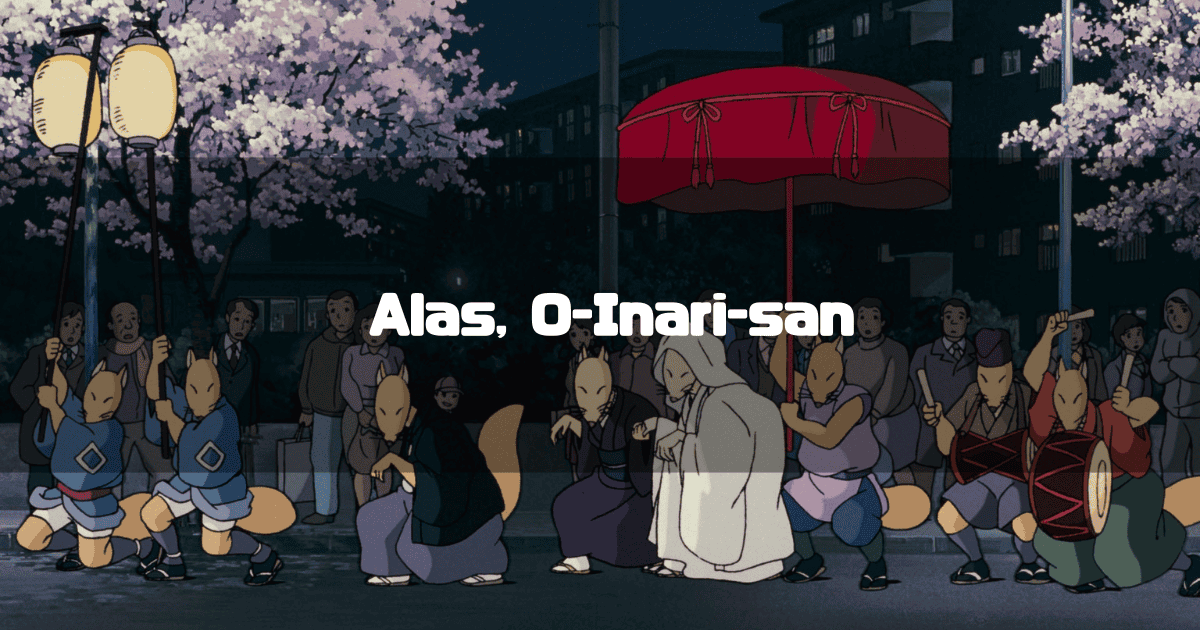
Oroku specifically says they will look like a “dead fox.” In Japanese culture, when you think of a fox, you immediately think of the deity “Inari.” And when you say “Inari,” you get the colloquial term “o-inari-san.” So, what exactly does “o-inari-san” mean in Japanese slang? I hate to ruin the magic, but “o-inari-san” is a very common, traditional slang term for “testicles.”
(If you are confused by this linguistic leap, please read the detailed cultural breakdown in the Lore Appendix below!)
Some readers might be slightly offended, but there is quite literally no other logical way to explain the mechanics of “Oroku’s Secret Art.”
So, what does this actually mean in practice? I firmly believe the sacred technique Oroku taught the young warriors was simply: “Stretch out your giant scrotum and wrap your entire body inside of it!“
I know this sounds insane, but follow the logic: if a tanuki wraps his entire body inside his massive, shape-shifting scrotum before charging into battle, what happens when he is knocked unconscious or killed? His magic breaks, and the giant sack violently shrinks back to its normal size, effectively crushing and concealing his body inside. The result? A weird, shriveled, bag-like object is left lying on the road. To a passing human, it wouldn’t look like a tanuki at all—it would look exactly like a weirdly shaped bag (which visually resembles an o-inari-san sushi pouch, hence the “fox” joke!).
Of course, if a human actually picked up the bag and cut it open, they would find a dead raccoon dog inside. Oroku’s claim that it would “last for five days” was likely just naive optimism; humans would probably dissect the weird sack on day one and record it in history books as “the bizarre, unknown ecology of the tanuki.”
However, when you view the film with this anatomical joke in mind, Gonta’s big tactical operation suddenly becomes the funniest, most brilliant visual gag in the movie.
It was pouring rain on the night of Gonta’s ambush. The strike force is shown wearing traditional Japanese raincoats (called kappa). But where did they get those raincoats? They didn’t buy them. That night, every single tanuki except Gonta flawlessly executed Oroku’s instructions and wrapped their bodies in their own stretched scrotums (disguising them as raincoats).
Of course, the intensely proud, arrogant Gonta, thinking, “I am invincible, I’ll never fail!”, absolutely refused to do something so humiliating and unseemly. That is exactly why he was the only warrior who fought and died completely exposed in his untransformed state.
Admittedly, this is just a fan theory. Takahata never explicitly confirmed it. However, applying this logic makes the magical mechanics of the film perfectly consistent, and it perfectly aligns with the bawdy, “rakugo-style comedy” that defines Pom Poko. Gonta, refusing to hide in a scrotum, was dead serious. Oroku, teaching the tactical scrotum-wrapping technique, was dead serious. But the actual visual reality of the situation is incredibly foolish and absolutely hilarious.
The masterful blending of highbrow studio critique and lowbrow anatomical humor is exactly what makes the opening of Pom Poko so endlessly fascinating.
Pom Poko (1994) Lore Appendix: The Cultural Link Between Foxes, O-inari-san, and Testicles
1. Fox (狐, Kitsune) and Inari Shrine (稲荷神社, Inari Jinja)
To understand Oroku’s dirty joke, you must understand the fundamental connection between foxes and Inari shrines in Japanese folklore and the Shinto religion.
Inari Ōkami (稲荷大神): Inari is the revered Japanese kami (deity) of prosperity, rice, tea, sake, agriculture, and industry. Inari is an immensely popular deity, boasting tens of thousands of dedicated shrines across Japan (the most famous being the breathtaking Fushimi Inari Shrine in Kyoto).
Foxes as Messengers: The crucial detail here is that foxes (kitsune) are not the deity Inari themselves. Rather, they are revered as the sacred, mystical messengers (tsukai) of Inari. This is a very common misconception among tourists.
Why Foxes?: This association stems from ancient agricultural realities. Because wild foxes hunted the mice and rodents that devastated rice crops, farmers viewed them as the natural, divine protectors of the harvest. A thriving fox population guaranteed a bountiful rice yield, perfectly aligning with Inari’s divine domain.
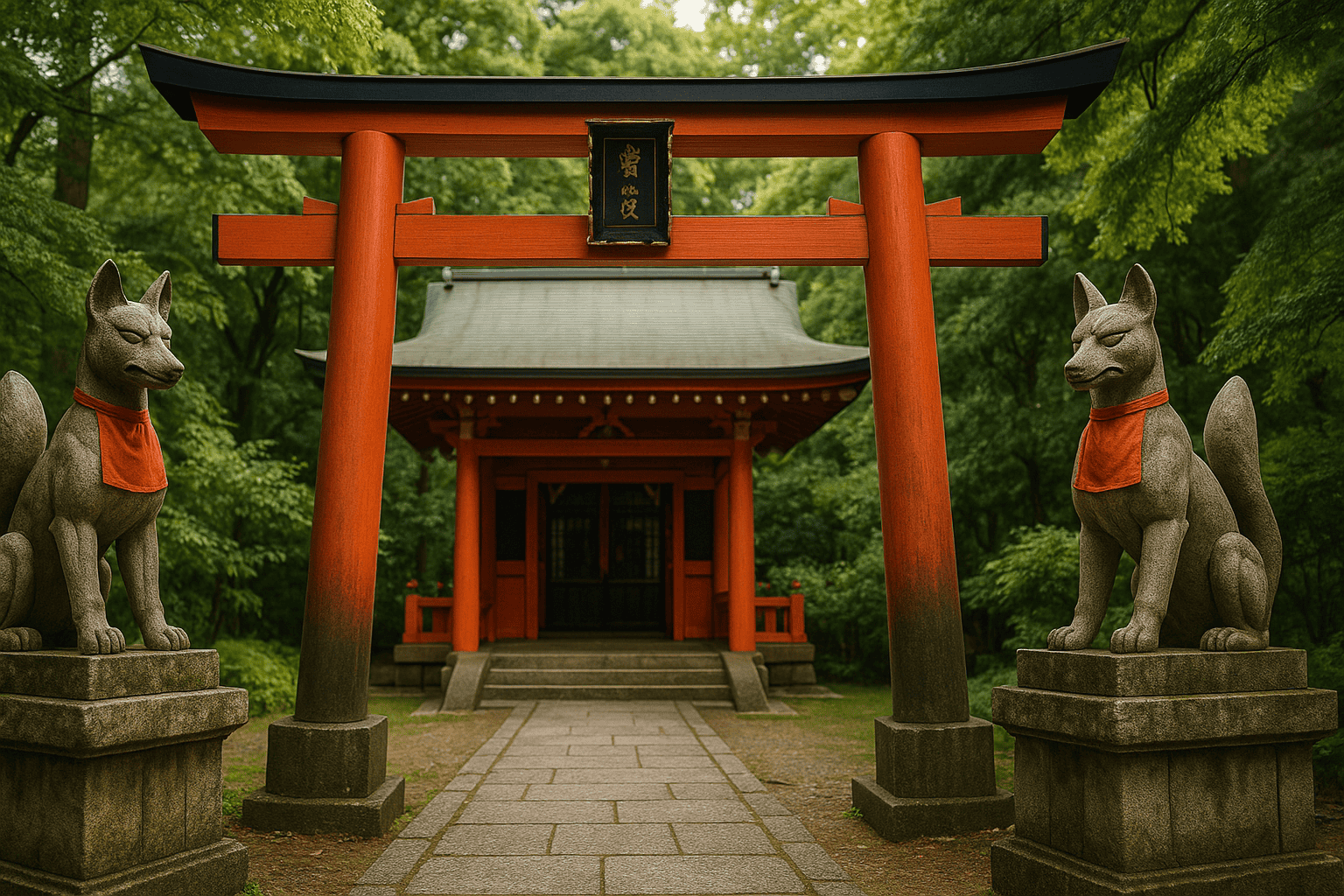
Because of this sacred duty, statues of foxes are prominently featured guarding all Inari shrines. They are typically depicted in male-female pairs and often hold symbolic items in their jaws—such as a key (to unlock the rice granary), a jewel (symbolizing spiritual power), or a scroll (carrying a divine message). Worshippers deeply revere these fox messengers and frequently leave offerings for them, specifically sweet fried tofu (aburaage).
2. Inari (稲荷) and “O-inari-san” (お稲荷さん)
This is where linguistics and culinary traditions overlap.
Honorifics: In the Japanese language, “お” (o-) is a polite prefix, and “さん” (-san) is a standard honorific suffix. Wrapping a word in these modifiers expresses deep respect or warm affection. Therefore, the deity “Inari” casually becomes the highly respectful “O-inari-san” when locals refer to the shrine or the god.
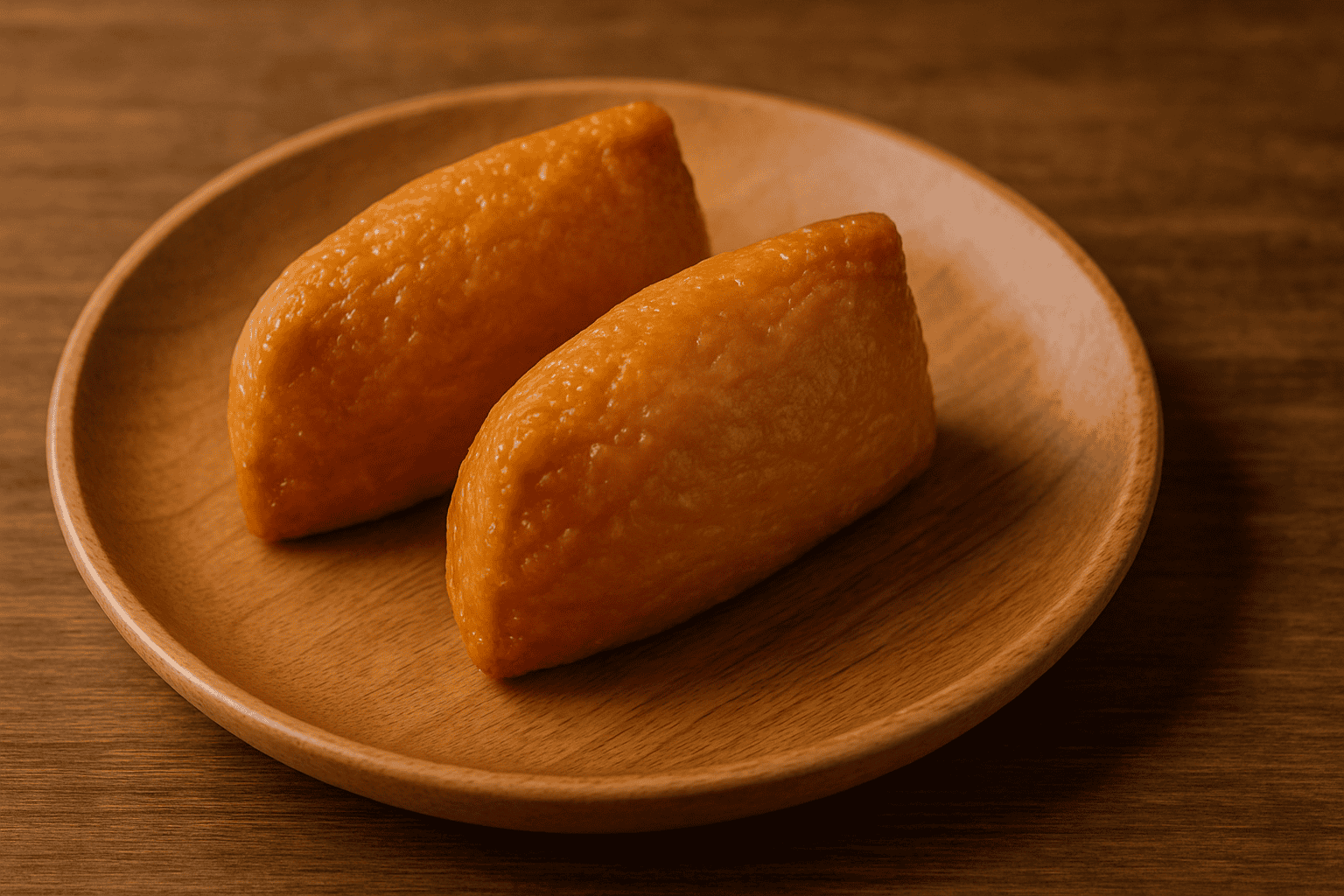
The Food Connection – Inarizushi: “O-inari-san” also doubles as the common, everyday name for a hugely popular type of sushi called inarizushi (いなり寿司). This dish is simply a deep-fried, sweetened tofu pouch (aburaage) stuffed tightly with vinegared sushi rice.
The Link: The sushi earned its name from the ancient folklore that fried tofu is the absolute favorite snack of foxes (kitsune). Because foxes are Inari’s messengers, leaving fried tofu at the shrine became standard practice. Over centuries, the plump sushi dish made from these tofu pouches naturally came to be called inarizushi, or colloquially, “o-inari-san,” forever linking the food to the deity.
So, depending on the context, “O-inari-san” translates to either:
- The sacred Inari deity or shrine.
- Inarizushi, the plump tofu food named in honor of the foxes.
3. O-inari-san (お稲荷さん) and Testicles (睾丸, Kōgan)
This final linguistic jump relies on a highly informal, bawdy visual pun that has absolutely zero religious basis.
Visual Similarity: Inarizushi is traditionally served as two plump, slightly wrinkled, brown tofu pouches sitting side-by-side on a plate. To the mischievous Japanese mind, this presentation bears a striking, undeniable resemblance to a human scrotum containing two testicles.
Slang Usage: Because of this crude visual pun, “o-inari-san” evolved into a very common, colloquial slang term for male testicles. It is a masterful double entendre, weaponizing the innocent, respectful name of a sacred food to refer to male anatomy.
This exact brand of clever, multi-layered wordplay is the bedrock of rakugo (traditional Japanese comedic storytelling) and perfectly explains the hilarious fan theory hiding inside Pom Poko. The humor thrives on the sheer absurdity of combining a sacred Shinto deity, a delicious snack, and a vulgar anatomy joke, all wrapped up in a shape-shifting raccoon dog’s scrotum.
The images used in this article are from Studio Ghibli Works Still Images.
Can you name the movie before the scene comes into focus?
Put your visual memory to the test with a blurred Studio Ghibli scene.

Reader Comments