
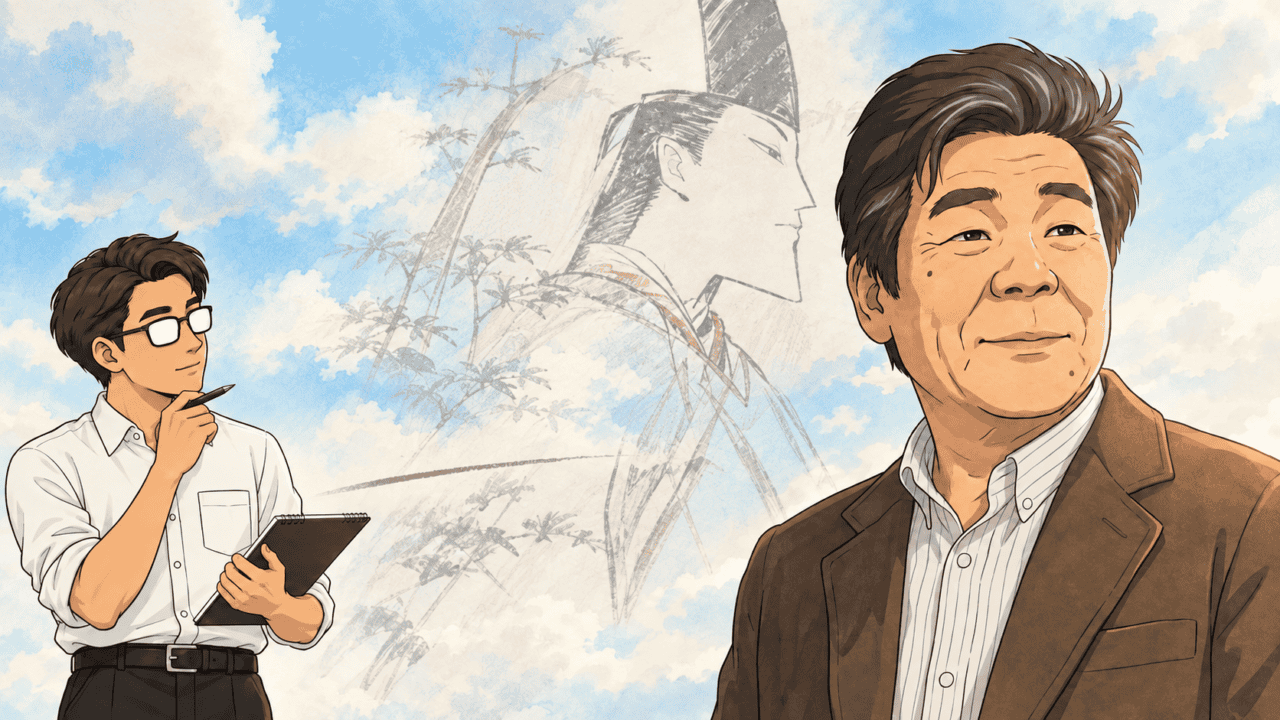
Isao Takahata’s The Tale of the Princess Kaguya (Studio Ghibli Official) is an animated feature released in 2013.
Perhaps 99 percent of us had the same thought near the end:
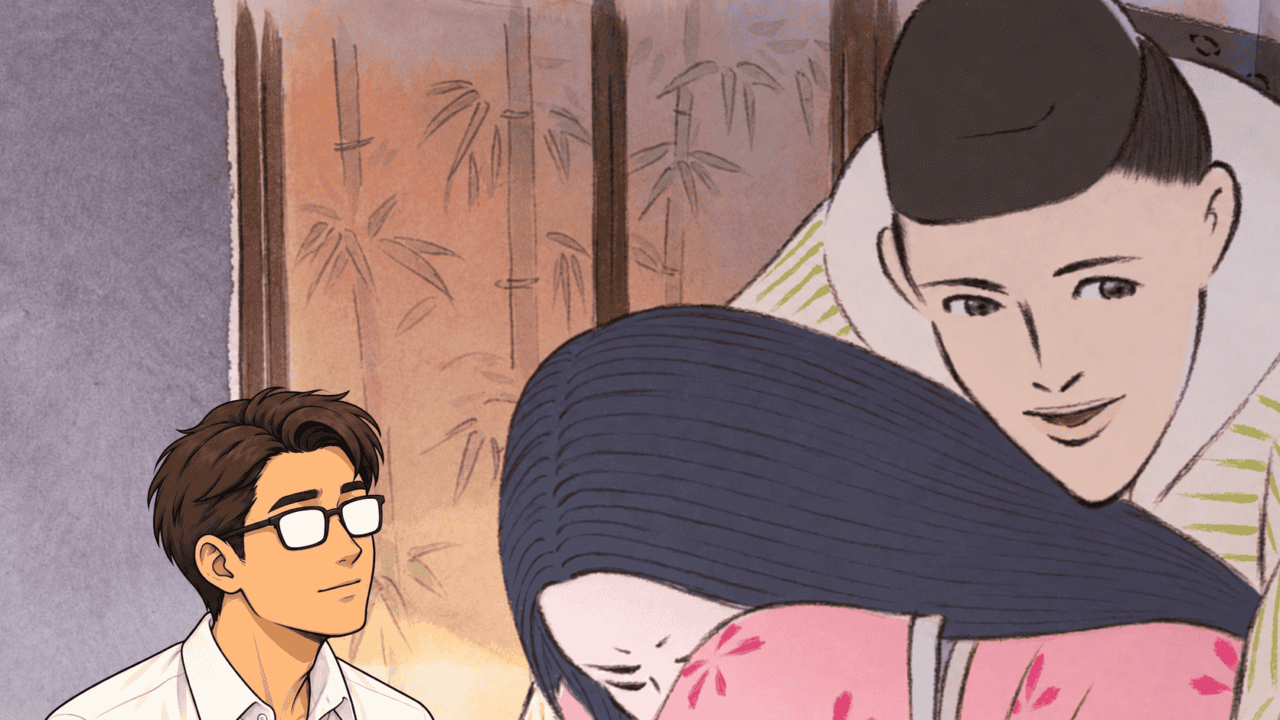
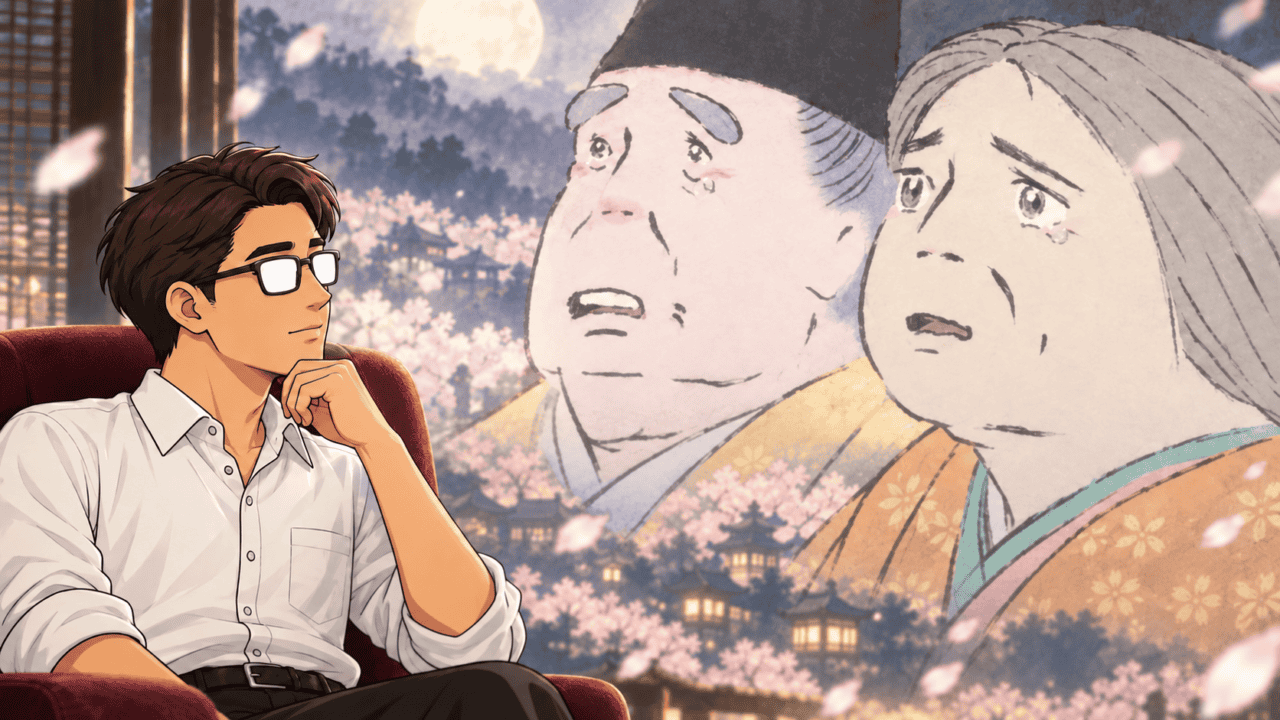
“The Mikado’s chin is… an awful lot of chin.”
You thought it too, didn’t you? At a crucial point on the way to the moving finale, the noblest person in the country appears. Yet his face makes such an impression that, for many of us, it becomes hard to take in the story.
The design gets joked about online as a “chin” or a “lethal weapon.” But looking at it through world history, I cannot help thinking of a family that once held enormous power in Europe.
Enter the “House of Habsburg.”
I want to consider why the Mikado was drawn this way, reading Takahata’s possible intentions through the historical “Habsburg jaw” and the published account of the character’s design.
*This is a translated version. The original (Japanese) is available here.
On this pageContents
A “Noble Chin” in World History
Historical ideas of noble appearance provide context for the article’s discussion of the Mikado’s exaggerated chin. The comparison concerns how status and appearance become linked.
The Habsburg Jaw
It is easy to laugh at the Mikado’s chin as a drawing gone wrong. Yet history gives us a real example of a chin associated with noble blood.
The House of Habsburg ruled over European courts from the Middle Ages into the early modern period. You may remember them from history lessons as Marie Antoinette’s family.
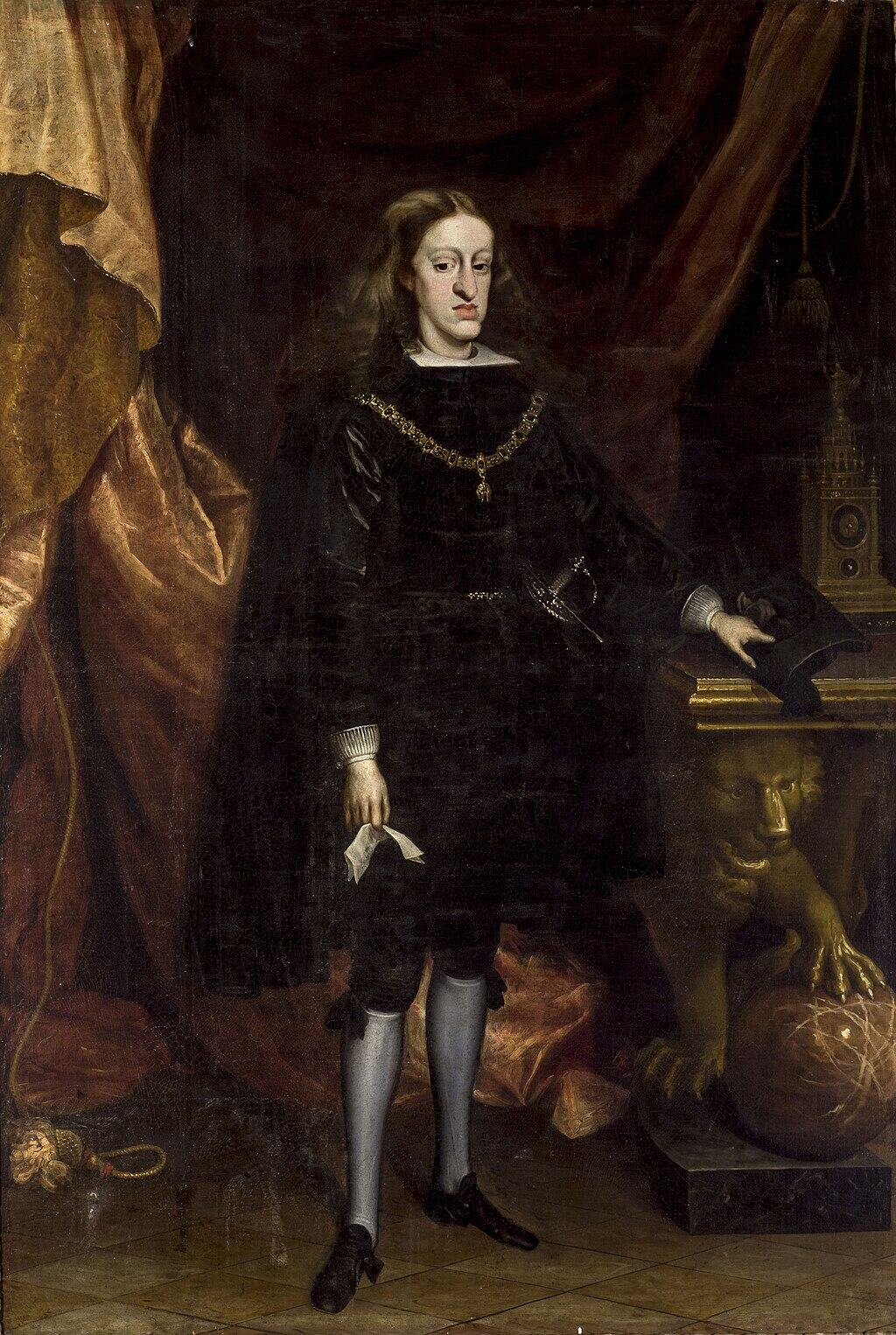
Looking through their portraits, one notices a curious resemblance: many have unusually long lower jaws. The feature is associated with mandibular prognathism and is known historically as the “Habsburg jaw.”
A particularly famous example is Charles II, the last king of the Spanish Habsburg line. His lower jaw is reported to have protruded so far that his upper and lower teeth did not meet, making eating difficult.
Why Did Their Jaws Develop This Way?
Why, then, did the Habsburgs develop such prominent jaws?
The explanation lies in their efforts to preserve “noble blood.” To keep wealth and power from passing outside the family, they practiced marriage between close relatives over many generations.
Repeated marriages between uncles and nieces or between cousins are thought to have brought recessive traits to the fore, passing on and accentuating that distinctive jaw.
Research has also identified a correlation between the family’s jaw characteristics and the degree of inbreeding.
In the historical reading I am pursuing here, the chin is evidence of a closed bloodline: a price paid for preserving its purity.
References
How the Mikado’s Chin Was Designed
The finished design emerged through choices about beauty, balance, and exaggeration. The production account helps explain how that distinctive shape took form.
A Beautiful Face, Its Balance Broken
Knowing the Habsburgs’ history, I cannot help thinking of them when I see the Mikado. But how did his design actually take shape?
The Friday Road Show’s official X account shared the story of the design. In The Art of The Tale of the Princess Kaguya, character designer Osamu Tanabe gives the following account, which seems likely to be the post’s source:
[I wanted to give him the most beautiful face. At one point, I considered using a character I had drawn as Prince Ishitsukuri for the Mikado. While I was struggling with it, Takahata said, “He’s handsome, but why not throw the balance off in one place—say, the chin?” That is how we arrived at this design.]
(Original Text, in Japanese)
最もきれいな顔にしたくて、一時は石作皇子として描いたキャラを御門にしようかとも考えたのですが、悩んでいたところ、高畑さんが「美男だけど一ヶ所バランスを崩してみたらどうか、たとえばアゴとか」と言われ、このように決まりました。
They set out to draw the ultimate handsome man, and Takahata introduced the chin as a discordant note. That is how the face came about.
From this account, it does not appear that the Habsburgs directly influenced the design in the studio.
Still, suggesting the chin to someone struggling to draw a handsome face makes me suspect a touch of Takahata’s “malice.”
Takahata’s Cruel Direction and the “Curse of Blood”
The design can also be considered alongside the film’s treatment of inherited rank and power. That perspective connects the visual joke with the wider social reading below.
He Thinks He Is Perfect
I imagine the Mikado looking in a mirror and believing himself beautiful. After all, the design began with the most beautiful face.
Only the balance of his chin has been altered at Takahata’s suggestion. To us watching—and to Kaguya—he may therefore appear oddly disconcerting.
“I am beautiful. To become mine is a woman’s happiness.”
There is a gap between that unquestioning confidence and the sharp chin we see. Might it express something peculiar about people in a closed world, living entirely by their own logic?
That same sense of entitlement is also expressed directly in the Mikado’s dialogue. His astonishment that a woman could reject him is one of the lines I examine in The Tale of the Princess Kaguya quotes in Japanese and English.
The bamboo cutter is similar. Apart from Kaguya, the characters in this film act according to their era’s conventions. The Mikado may mean no harm and may see his behavior as perfectly natural. In the original The Tale of the Bamboo Cutter, he and Kaguya even become rather close.
But Kaguya has been dropped into that world from elsewhere; in some ways, she resembles a modern person. I read the design as expressing how he feels from her perspective.
The Chin as a Weapon
Thinking this way, I find it difficult to dismiss the resemblance to the Habsburg jaw as coincidence.
An intellectual of Takahata’s stature would surely have known the Habsburgs as a symbol of noble blood, and their conspicuously unbalanced jaws. Though he makes no direct reference to them, perhaps mentioning a chin for so exalted a figure was a way of saying, “You know what I mean…” Of course, this is my imagination—my own flight of fancy.
On this reading, he concentrates the idea of inhabitants of a closed world into that chin, giving it animated form.
Near the end, when the Mikado embraces Kaguya from behind, the chin becomes more than part of his face: a cage, or a weapon, that will not let her escape.
Might its sharpness symbolize the violence of power that says, “Nobody can reject me”?
A Chin from Long Ago—and No Laughing Matter
Our first reaction is to laugh: what on earth is that chin?
By starting with a handsome face and exaggerating just one feature, I think Takahata sought to make visible the claustrophobia of noble status.
Seen that way, it is no drawing error or design mistake. We might even call it the most carefully calculated design of power in animation history. Or can we?
Even so, the longer I look at it, the more it remains an awful lot of chin.
That concludes my reading of Takahata’s intentions behind the Mikado’s chin. It is rather like an urban legend stitched together from circumstantial evidence. Whether you believe it is up to your own chin.
Your Take
What is your view? Choose the answer that comes closest to your own response.
Reader poll
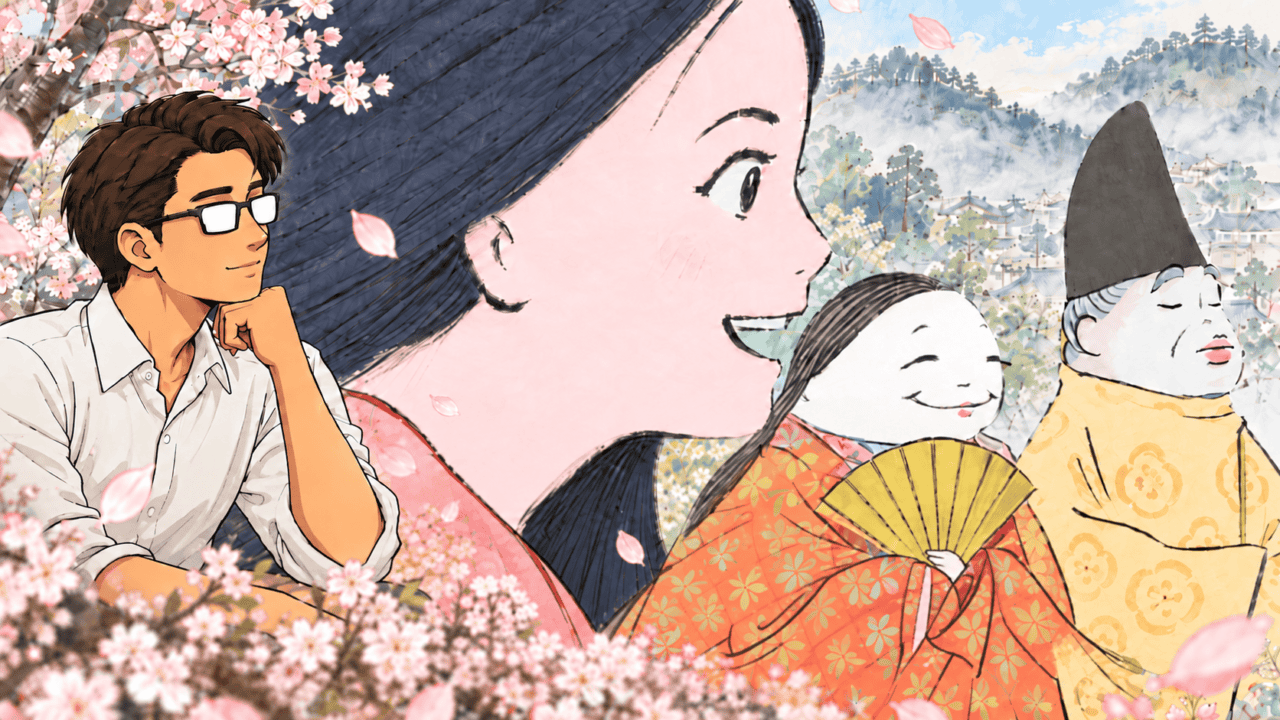
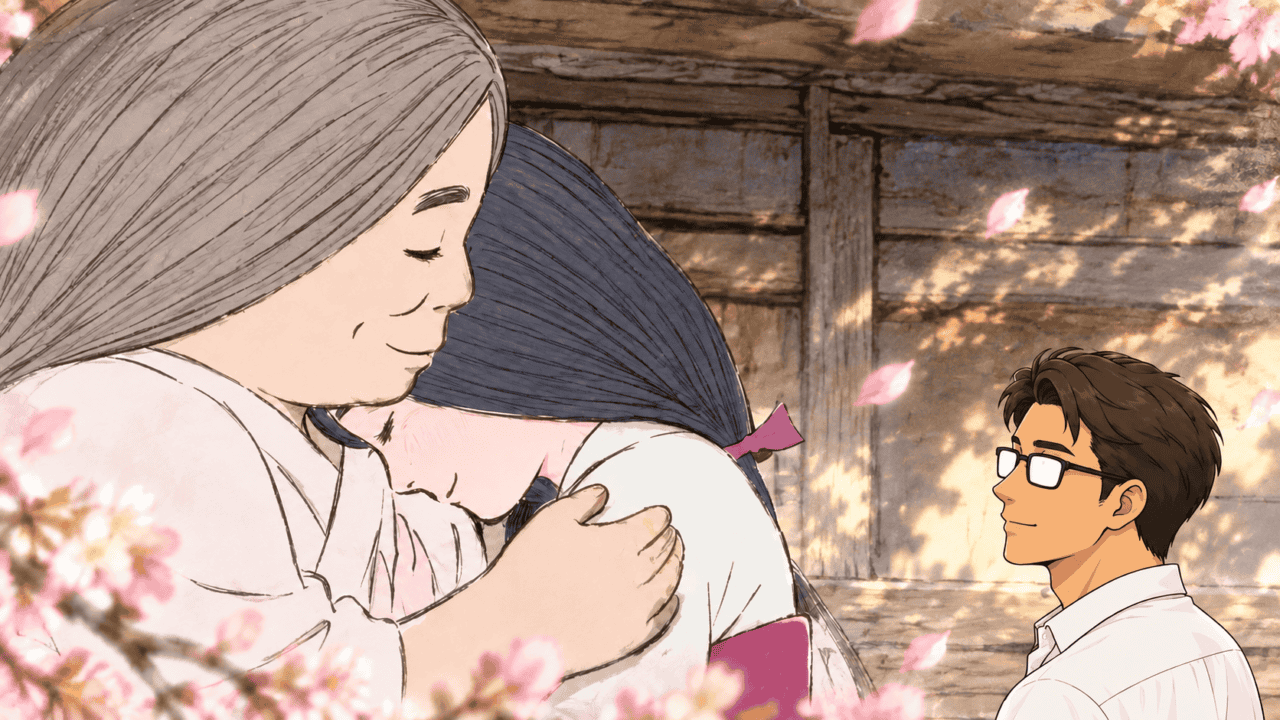
The images used in this article are provided courtesy of the “Studio Ghibli Work Stills” archive.
Can you name the movie before the scene comes into focus?
Put your visual memory to the test with a blurred Studio Ghibli scene.
Reader Comments
Have a thought or interpretation? Leave a comment