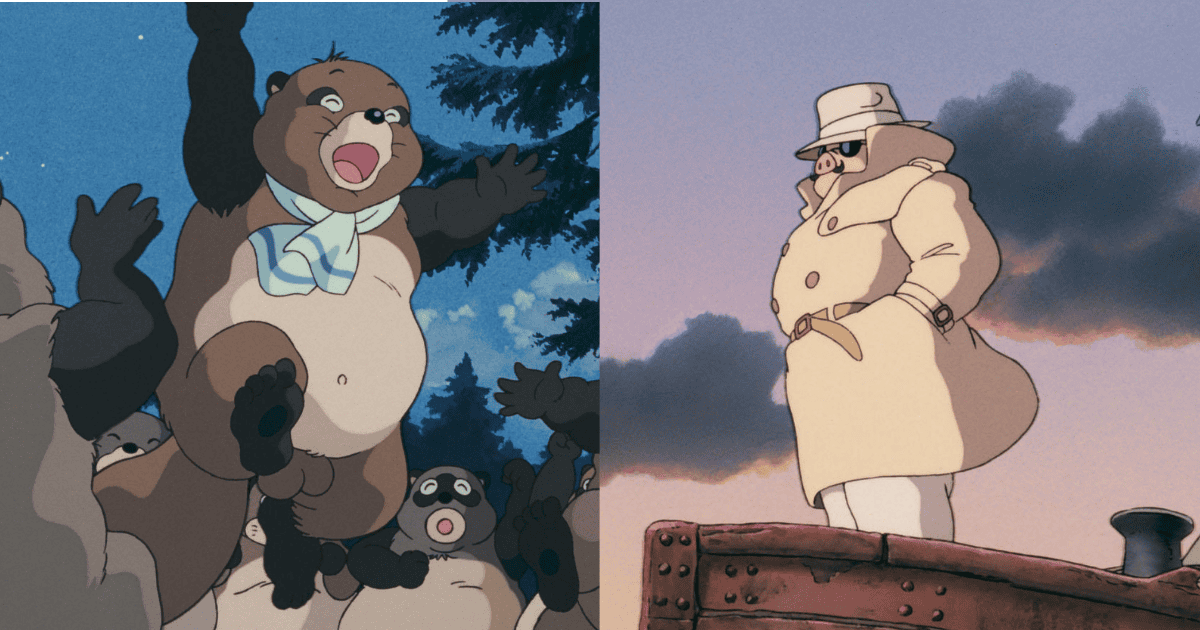
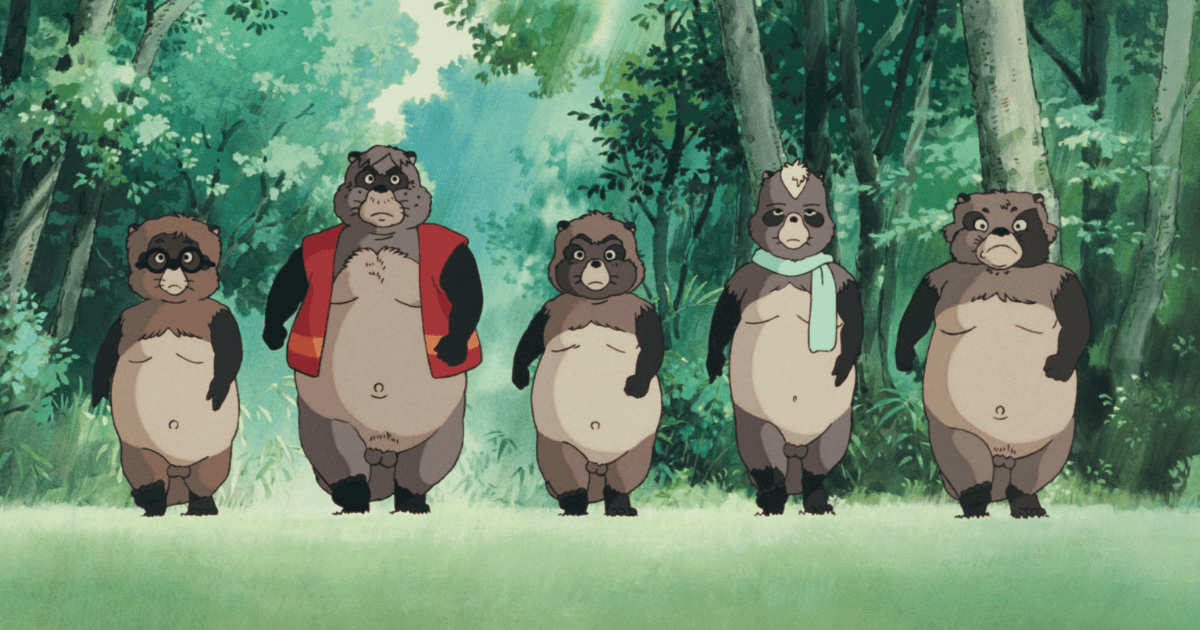
In the chaotic, shape-shifting war of Isao Takahata’s 1994 masterpiece, Pom Poko(Official Studio Ghibli Website), it is incredibly easy for the audience to focus their attention on the fierce, radical warriors like Gonta, or the earnest, morally conflicted leader, Shoukichi. But if you look closely at the narrative structure, the true philosophical heart of the film actually belongs to a completely different character: Ponkichi.
Despite being introduced right at the beginning as Shoukichi’s best friend, Ponkichi suddenly vanishes from the main stage during the climax of the human-tanuki war, only to miraculously reappear at the very end to deliver the film’s profound closing monologue.
Although he spends the entire movie as an inconspicuous, lazy background character, he brilliantly steals the show and delivers the ultimate thesis of the story.
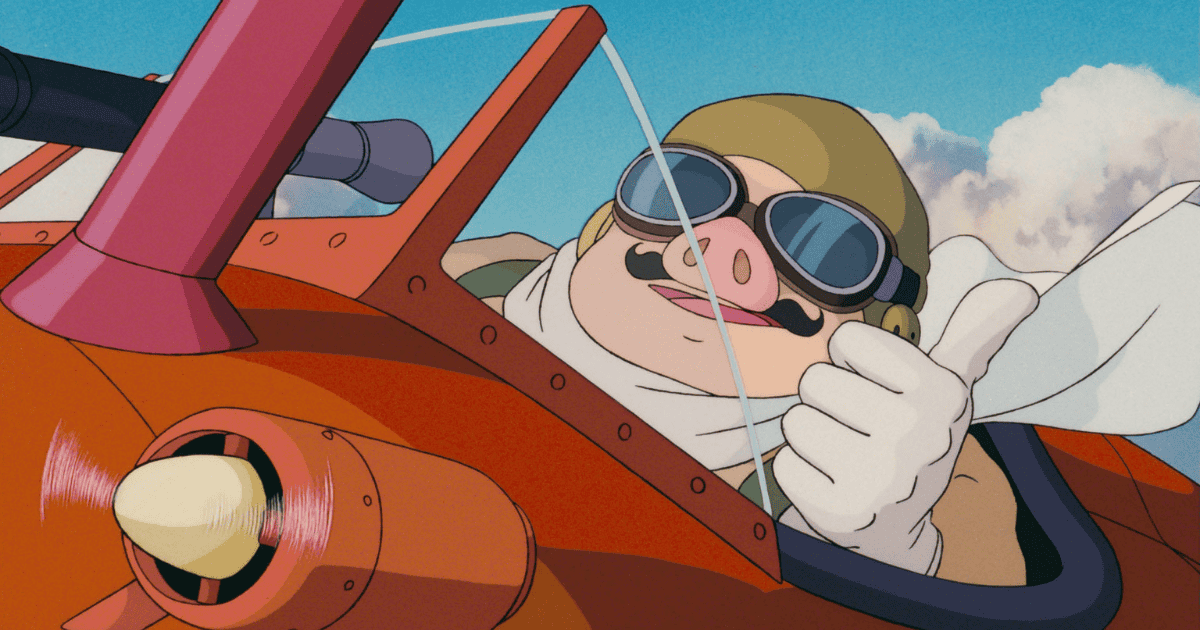
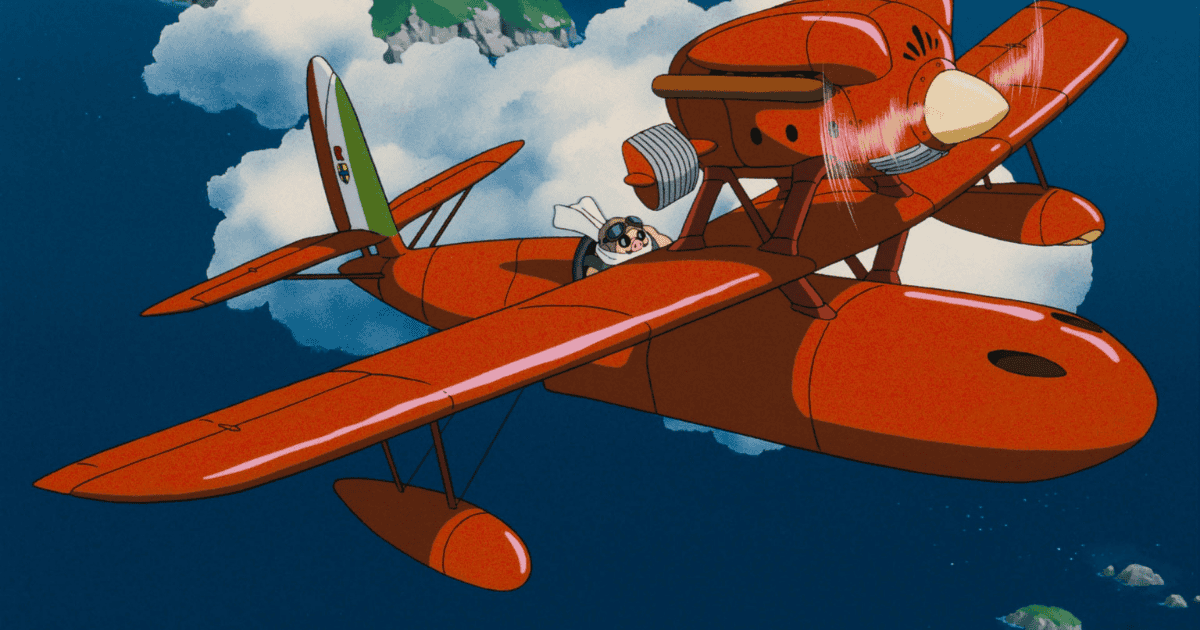
Why did Director Takahata structure the film this way? To truly understand Ponkichi’s brilliant narrative purpose, we have to look at a completely different Ghibli protagonist: Hayao Miyazaki’s Porco Rosso(Official Studio Ghibli Website). When analyzing Ponkichi’s seemingly lazy personality, Porco Rosso’s cynical, detached way of life strangely mirrors it perfectly.
Today, we are going to psychoanalyze Ponkichi’s vital role in Pom Poko by looking through the aviator goggles of Porco Rosso. What kind of quiet genius was Ponkichi actually hiding?
*This is a translated version. The original (Japanese) is available here.
-
Ponkichi as the Hidden Protagonist and the “Observer”
Unlike the other tanuki who became radically obsessed with the war against humans, Ponkichi stubbornly insisted on “living like a tanuki.” His conscious choice to step back and observe the frantic situation from a distance heavily overlaps with Porco Rosso’s “opt-out” philosophy. Therefore, he was the only character spiritually equipped to conclude the story with the mantra: “Somehow, we go on living.” -
A Philosophy That Shines in a “Story of Defeat”
Pom Poko is a brutal story about inevitable defeat. Yet, even as his society collapsed, Ponkichi never lost his core identity. His refusal to be swallowed by the collective panic is a profound lesson in resilience, not just for the tanuki, but for modern humans navigating a chaotic world. -
The Brilliant Contrast Between Shoukichi and Ponkichi
While the main protagonist, Shoukichi, operated at the bleeding center of the war and was constantly paralyzed by moral anxiety, Ponkichi watched the tragedy unfold from the outside. Their emotional reunion at the end beautifully synthesizes the “insider” and “outsider” survival strategies.
On this pageContents
Pom Poko (1994) Character Analysis: Ponkichi and the “Porco Rosso” Philosophy
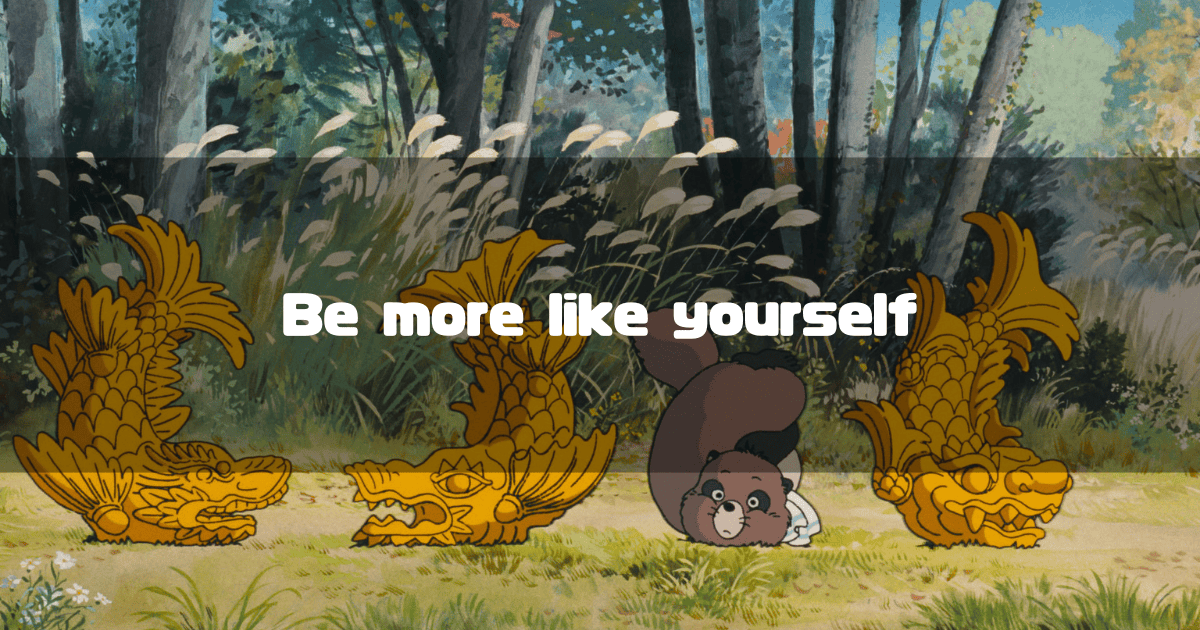
To fully grasp Ponkichi’s hidden brilliance, we must first quickly review the philosophical framework of Marco Pagot, better known as Porco Rosso.
The “Porco Rosso” Way of Life
While there are countless ways to interpret Porco Rosso, the core psychological drivers of the protagonist boil down to a few key points:
- Porco was a decorated, idealized hero of World War I.
- He survived the war only to watch the era plunge into the Great Depression, where fascist greed and a culture of “money, money, money” corrupted society.
- He had the option to return to the military as a respected officer but actively chose to become a rogue bounty hunter hunting sky pirates instead.
The crucial detail here is that Porco is the victim of a complete societal paradigm shift—the world violently pivoted from “honor and war” to “ruthless economy and fascism.”
The noble values he fought for were discarded overnight. He found himself in a world that refused to look back at the comrades who died in the trenches. Disgusted by this new reality, Porco literally cursed himself into a pig.
Fundamentally, Porco Rosso is the story of a man who “opted out” of the rat race. (In fact, the sky pirates he fights are also members of this disillusioned “opt-out” group; they just chose crime instead of bounty hunting).
In Miyazaki’s universe, the definition of “being cool” isn’t about blindly charging into battle. It is about possessing the wisdom to take a detached, critical view of a frantic society and ask: “Is this hyper-obsessive rat race really what it means to live?“
Ponkichi: The Master of Observing from a Distance
When we apply this lens to Ponkichi in Pom Poko, his behavior makes perfect sense. Just like Porco Rosso, Ponkichi deliberately chose a way of life that directly opposed the frantic, hyper-militarized trend of his peers in Tama New Town.
It is true that Ponkichi lacked the elite shape-shifting talents of Gonta or Shoukichi. But it wasn’t just incompetence; he was actively turning his back on a social “situation” where everyone was panicking, militarizing, and becoming obsessed with fighting an unwinnable war.
As Shoukichi notes affectionately in the film, Ponkichi simply wanted to live “like a tanuki”—eating, sleeping, and enjoying the simple pleasures of nature.
Meanwhile, the rest of the tribe became entirely consumed by their existential war against the human developers, climaxing with the spectacular, exhausting “Operation Specter.” When that grand operation inevitably failed, the tanuki organization violently collapsed. The ones who suffered the most catastrophic mental breakdowns were the ordinary, non-transforming tanuki.
Overwhelmed by despair and having tied their entire self-worth to a lost war, these ordinary tanuki joined the “Dancing Prayer” cult led by Yashimano Hage and committed a joyous, horrifying mass suicide by sailing off on a magical treasure ship.
But lo and behold, when the dust settles at the end of the film, we realize that Ponkichi somehow escaped this mass suicide.
How did he survive when all his peers succumbed to despair?
He survived precisely because he had been watching the militarization from a detached perspective. While his fellow tanuki were busy losing their “tanuki-ness” in the frenzied obsession with defeating the humans, Ponkichi stayed grounded.
Because he never tied his soul to the delusion of “Operation Specter,” its failure didn’t break him. Ponkichi likely looked at the weeping, suicidal tanuki and thought: “If we lose the forest, we lose the forest. Why don’t we just keep living our own way in whatever space is left?”
That quiet, stubborn resilience perfectly overlaps with Porco Rosso, who sat on his private beach, looked at a world descending into fascist madness, and refused to let it dictate his internal peace.
Ponkichi as the Hidden Protagonist
Once we recognize this psychological fortitude, it becomes glaringly obvious why Director Takahata chose Ponkichi to deliver the film’s final, poignant message.
Pom Poko is a raw, unflinching “story of defeat.” But the true thematic core of the film is “what you do after the defeat is final.” The film answers this brutal question with the resilient mantra: “Somehow, we go on living.”
If we focus on Ponkichi, that mantra takes on a profound nuance. “Somehow, we go on living” isn’t just about biological survival; it means “continuing to live without losing your core identity, no matter how much the world around you collapses.”
If we focus on Ponkichi, that mantra takes on a profound nuance. “Somehow, we go on living” isn’t just about biological survival; it means “continuing to live without losing your core identity, no matter how much the world around you collapses.”
Ponkichi’s final speech gives this philosophy a concrete environmental meaning. His gentle complaint about animals having “disappeared” is really a demand that humans acknowledge the lives displaced by development. Compare the original Japanese, romanization, English subtitle, literal translation, and dub in our detailed analysis of Ponkichi’s final message.
It sounds like a simple cliché, but maintaining your identity when the world is ending is the most difficult task imaginable.
It sounds like a simple cliché, but maintaining your identity when the world is ending is the most difficult task imaginable.
Look at the impossible, nightmare “situation” the tanuki faced:
- They began by foolishly fighting each other, mistaking a human invasion for a local turf war.
- When they finally united against the humans, their eco-terrorism proved completely ineffective.
- Their absolute last resort, the “ultimate weapon” of Operation Specter, ended in humiliating failure.
Under that crushing weight of existential failure, remaining true to your “tanuki-ness” should have been impossible. Even the elite, shape-shifting masters like Gonta lost their minds and died in suicidal banzai charges. Yet, Ponkichi’s mental fortitude (or perhaps his blissful ignorance) proved to be extraordinary. He didn’t break. He simply embodied the idea of “Somehow, we go on living.”
In the grand philosophical framework of the film, isn’t it undeniable that Ponkichi is the hidden protagonist of Pom Poko?
The Duality of Shoukichi and Ponkichi
While Ponkichi is the philosophical anchor, we must also appreciate how he perfectly balances the main protagonist, Shoukichi.
Ponkichi’s defining trait was “observing the crisis from a distance.” Interestingly, Shoukichi shared a fraction of that trait; he was deeply introspective, constantly questioning “Is this war right?” and spending his youth paralyzed by moral anxiety.
The difference was their physical placement: Shoukichi was trapped at the absolute, bleeding center of the war command, unable to deviate from his duties.
In other words, Shoukichi observed the tragedy from the agonizing inside of the war machine, while Ponkichi observed it from the peaceful outside.
The fact that these two best friends—representing the two opposing survival strategies—finally reunite in the modern human world at the end of the film is a deeply emotional, dramatic synthesis.
By intentionally comparing Ponkichi’s quiet resilience to Porco Rosso’s cynical detachment, the sheer narrative genius of Pom Poko comes into sharp focus.
Takahata’s film may be framed as a story about shape-shifting raccoon dogs, but we who live in the modern, exhausting real world are fighting the exact same chaotic struggles. The film uses folklore (just like Rakugo comedy!) to hold a mirror up to our own burnout.
Whether you are watching Pom Poko or Porco Rosso, both films teach us a vital survival skill: when society spirals into obsessive chaos, it is incredibly important to have the wisdom to step back, observe from a distance, and simply focus on surviving as yourself. “Somehow, we go on living.”
The images used in this article are from the Studio Ghibli Film Stills collection.
Can you name the movie before the scene comes into focus?
Put your visual memory to the test with a blurred Studio Ghibli scene.

Reader Comments