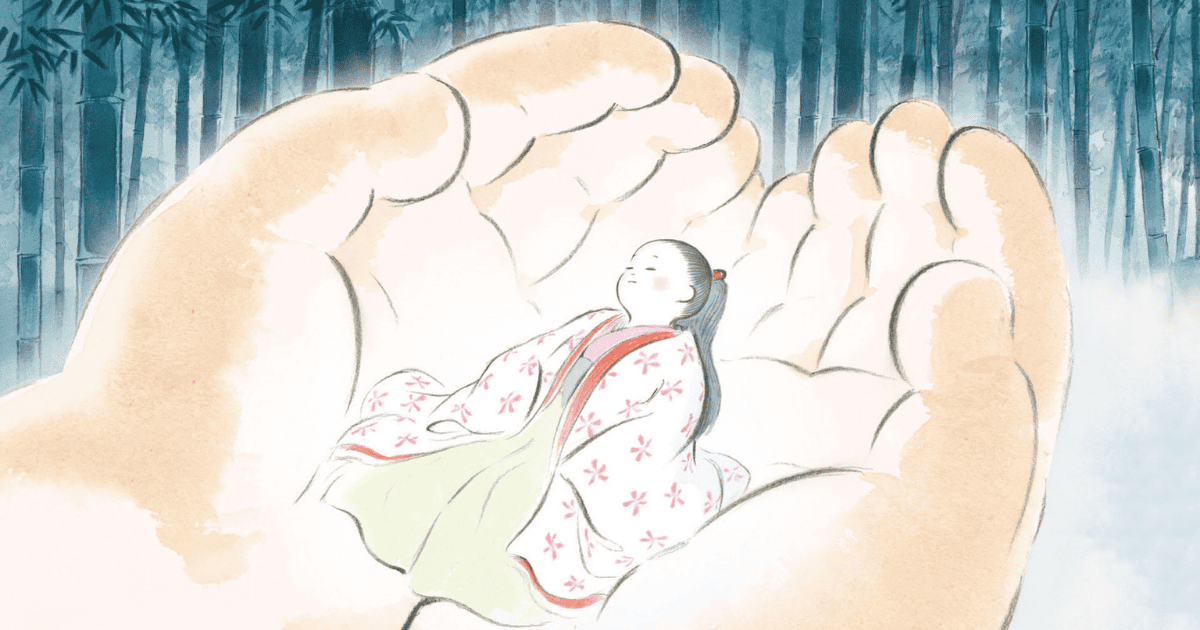
Isao Takahata’s The Tale of The Princess Kaguya (Official) isn’t just a stunning piece of animation; it is a profound emotional endurance test wrapped in the guise of a classic folktale. Back in 2013, Studio Ghibli originally promised a historic simultaneous theatrical release alongside Hayao Miyazaki’s The Wind Rises. In the end, The Wind Rises hit theaters first, and the dream of that legendary double-feature vanished like a fleeting illusion.
At the time, I hadn’t yet realized that director Takahata viewed release dates as mere suggestions. The delay felt like a crushing disappointment. Looking back, however, I suspect this was a brilliant masterstroke by Ghibli producer Toshio Suzuki. He likely knew that without manufacturing a massive, public deadline, this meticulously crafted masterpiece might never actually be finished. Before my memories of its theatrical run fade completely, I need to document exactly what it felt like to witness The Tale of The Princess Kaguya on the big screen.
*This is a translated version. The original (Japanese) is available here.
- The Hidden Depths Behind the Marketing I was originally hooked by the trailer’s cryptic tagline, “A princess’s crime and punishment.” But instead of a straightforward mystery, the film delivers a painstaking, breathtaking portrait of daily life that demands the audience to read between the lines.
- Fighting Tears in the Dark The final scene, paired with the devastating credits song “When I Remember This Life,” nearly broke me. I spent the last ten minutes gripping my armrest, desperately holding back tears just to maintain a shred of public dignity while silently standing in solidarity with the weeping audience around me.
- The Burden of an Unshared Experience The celestial descent sequence—scored by that soul-shaking “Music of the Celestial Beings”—was a cinematic awakening. Tragically, I had absolutely no one to discuss it with afterward because almost everyone I knew skipped it.
On this pageContents
The Tale of The Princess Kaguya (2013) The Deceptive Brilliance of the Teaser Trailer
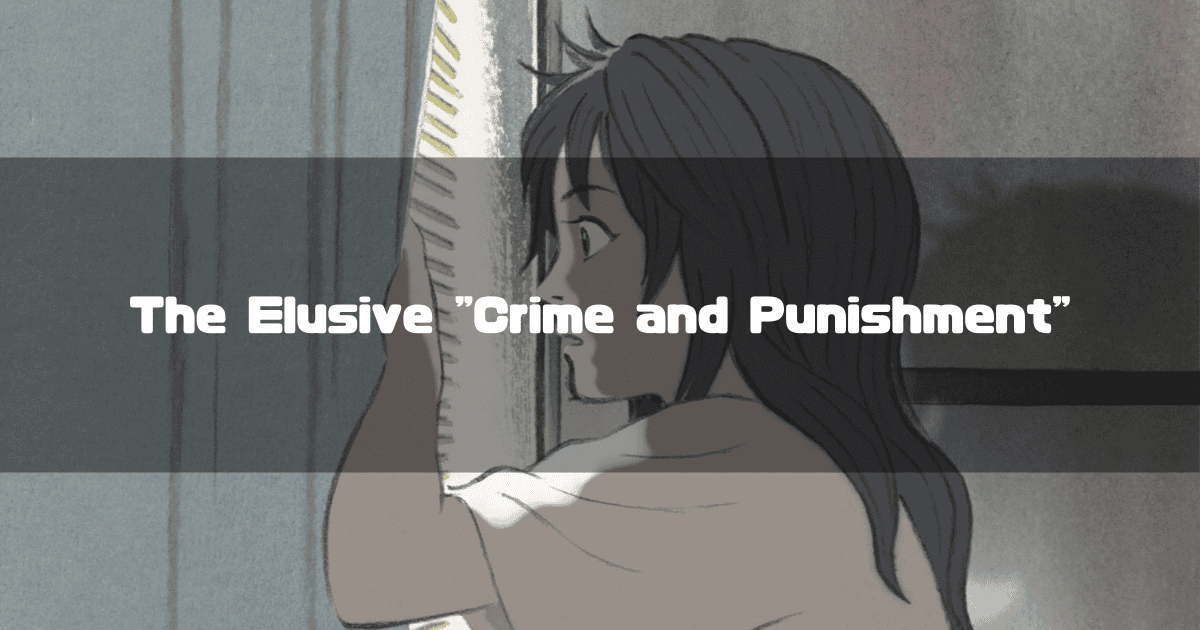
When discussing The Tale of The Princess Kaguya, we have to talk about that brilliant marketing campaign. The cryptic tagline, “A princess’s crime and punishment,” was wildly effective. I remembered a vague mention of this concept in the original Tale of the Bamboo Cutter, but if Takahata’s new film promised to finally solve that ancient mystery, I absolutely had to see it. I walked into the theater expecting far more than just a beautifully animated Ghibli movie.
Director Takahata did indeed deliver his own poignant answer to that mystery, but it wasn’t handed out on a silver platter. Uncovering the truth required a deep, attentive reading of the film.
Because the movie painstakingly illustrates the mundane “daily life” of Princess Kaguya—details completely glossed over in the original folktale—it doesn’t rely on cheap, immediate thrills. Like most of Takahata’s filmography, it refuses to be straightforward entertainment.
Of course, her true “crime and punishment” are quietly woven into the fabric of that everyday life. This deliberate pacing is exactly why it can be tough to casually recommend the film to someone looking for a lighthearted watch. Once again, Takahata proved that this wasn’t just The Tale of the Bamboo Cutter; this was unequivocally The Tale of The Princess Kaguya. (For a deeper look into the hidden symbolism in Ghibli films, explore our detailed analysis section.)
The Tale of The Princess Kaguya (2013) The Silent Struggle to Hold Back Tears
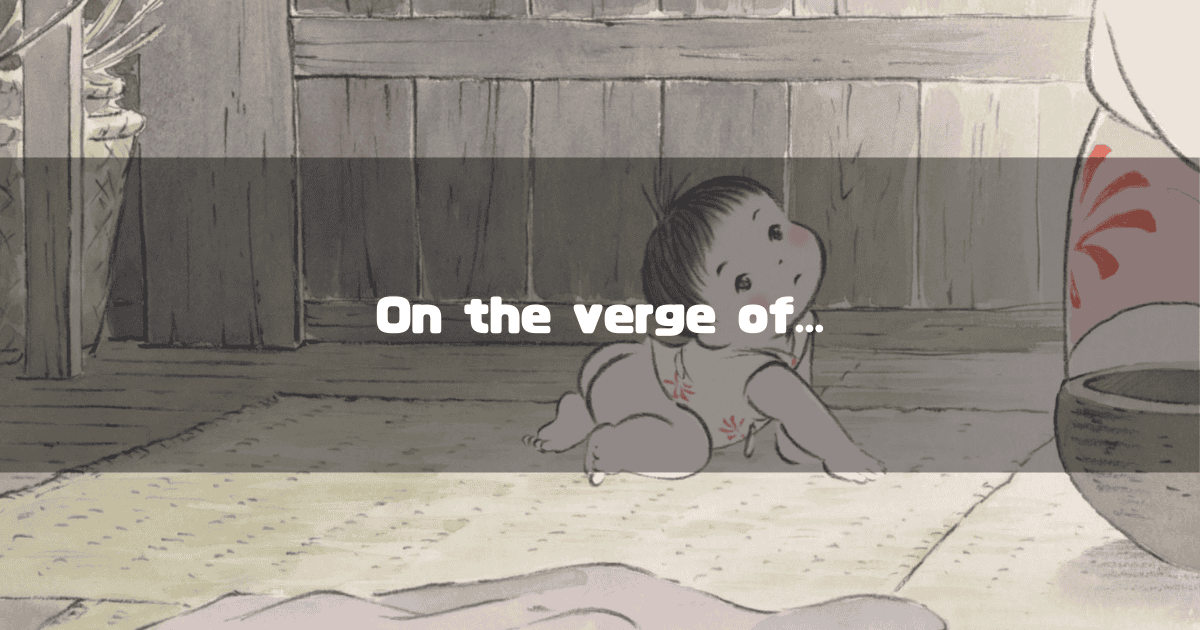
Catchy marketing aside, my most vivid memory of the film is hovering just “one step away” from a complete emotional breakdown during the climax. I gripped my seat and held the tears back with everything I had. I was still in my 20s at the time, but the thought of a grown man sobbing alone in a public theater felt like a massive violation of social decorum.
So, I swallowed my pride and kept the floodgates closed.
But as the main feature ended and the harsh theater lights snapped on, I noticed a guy in the sparsely populated late-night screening bawling his eyes out. He was a young man who had clearly come with his girlfriend.
Ironically, his girlfriend looked completely unfazed, while he was weeping uncontrollably.
Still fighting my own imminent tears, I silently nodded to him in my heart, thinking, “I get it, man. I get it.” Because he was brave enough to cry for both of us, I managed to leave the theater with my dignity intact. To this day, I owe that stranger a debt of gratitude.
The Tale of The Princess Kaguya (2013) The Celestial Finale I Couldn’t Share
Both that stranger and I were utterly destroyed by the ending, but for me, the urge to cry hit in two distinct waves.
The first was during the end credits, the moment Kazumi Nikaido’s hauntingly beautiful song, “When I Remember This Life,” began to play.
As soon as she sang the opening lines, “The joy of touching you, deeply, deeply…”, I practically crumbled. But as established, I clamped down for the sake of public peace.
I later discovered a profound detail while watching the making-of documentary, Isao Takahata and His Tale of the Princess Kaguya. When Nikaido recorded that track, she was pregnant. While her raw talent is undeniable, the sheer, crushing emotional weight of that vocal performance was undoubtedly fueled by the profound “real feeling” of bringing new life into the world.
But there was another scene that shattered me, and to this day, I struggle to fully articulate why.
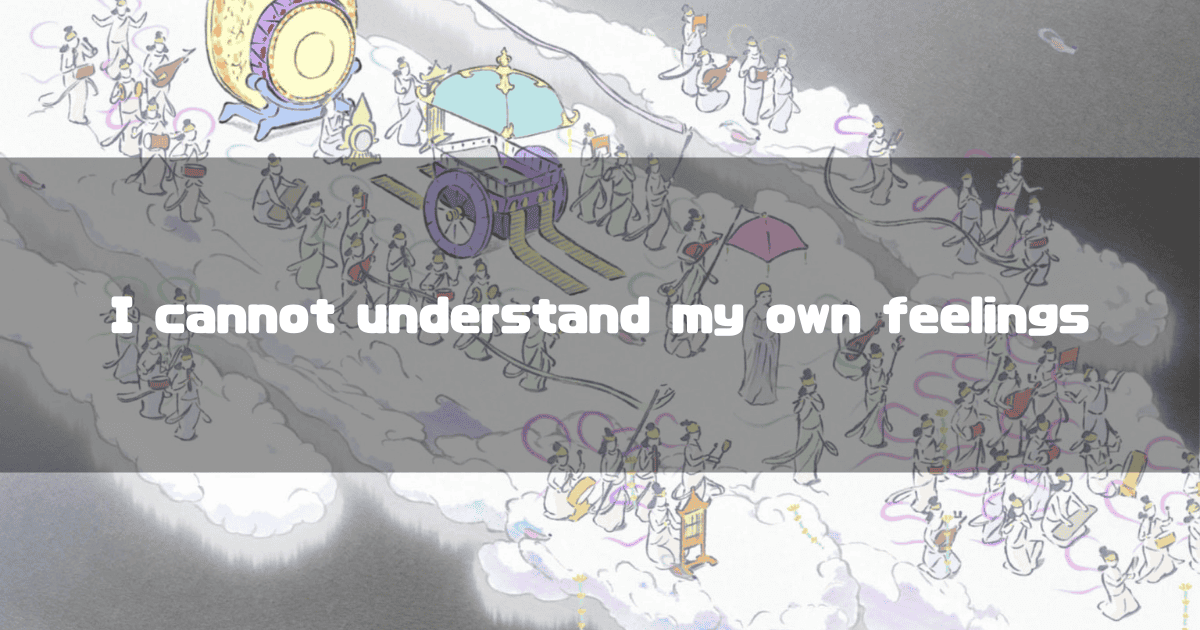
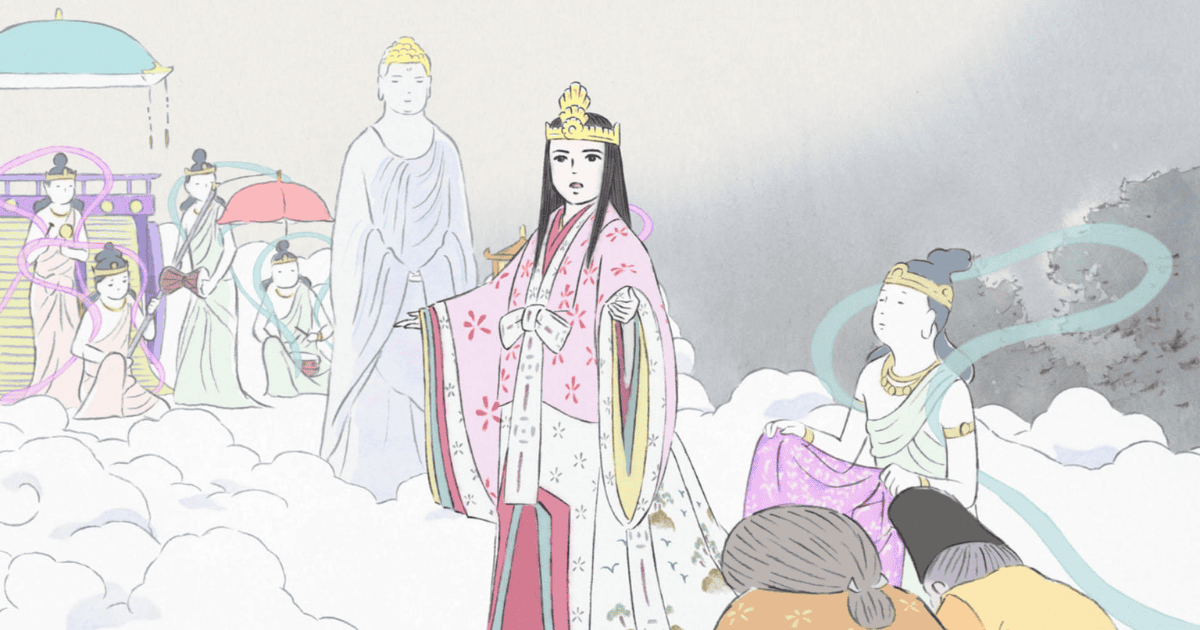
It was the climax of the story: the moment the celestial beings descend from the moon to reclaim Princess Kaguya.
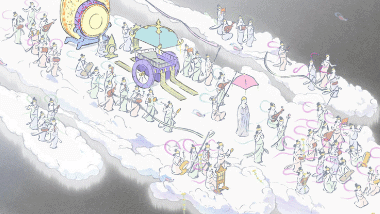
During this sequence, Joe Hisaishi’s masterpiece, “Music of the Celestial Beings,” echoes through the theater. The composition is deeply unnerving and profoundly mysterious. Hearing it for the first time on cinema speakers, I felt as though my very soul was being pulled from my body. Tears pricked my eyes instantly, yet I couldn’t comprehend exactly why I was crying. The sheer emotional weight of the scene completely defied words.
Desperate to process this overwhelming cinematic experience, I planned to dissect that exact scene with friends and colleagues who had seen the film.
Tragically, that conversation never happened.
Everyone I knew had rushed out to see The Wind Rises that year, but absolutely no one bought a ticket for The Tale of The Princess Kaguya.
Even when it eventually aired on TV years later, the magic felt lost. I couldn’t bring myself to discuss it anymore. I stubbornly believed that unless you experienced that devastating finale for the first time, totally blind, in the dark void of a movie theater, you simply wouldn’t understand. The thought of explaining it to someone who watched it passively on a living room couch felt wrong.
I suppose keeping that visceral memory to myself wasn’t the worst fate. But still—come on, guys! It was a brand-new Isao Takahata film! You should have been there in the theater. Little did we know, it would be his final cinematic gift to the world.
These are the vivid, lingering memories of The Tale of The Princess Kaguya from its original theatrical run. My biggest regret remains never having someone to share that post-movie silence with right after its release. Perhaps that’s exactly why I’m pouring these thoughts onto a blog today, writing to an unknown reader I may never meet.
Ah, what I wouldn’t give to see just one more film directed by Isao Takahata.
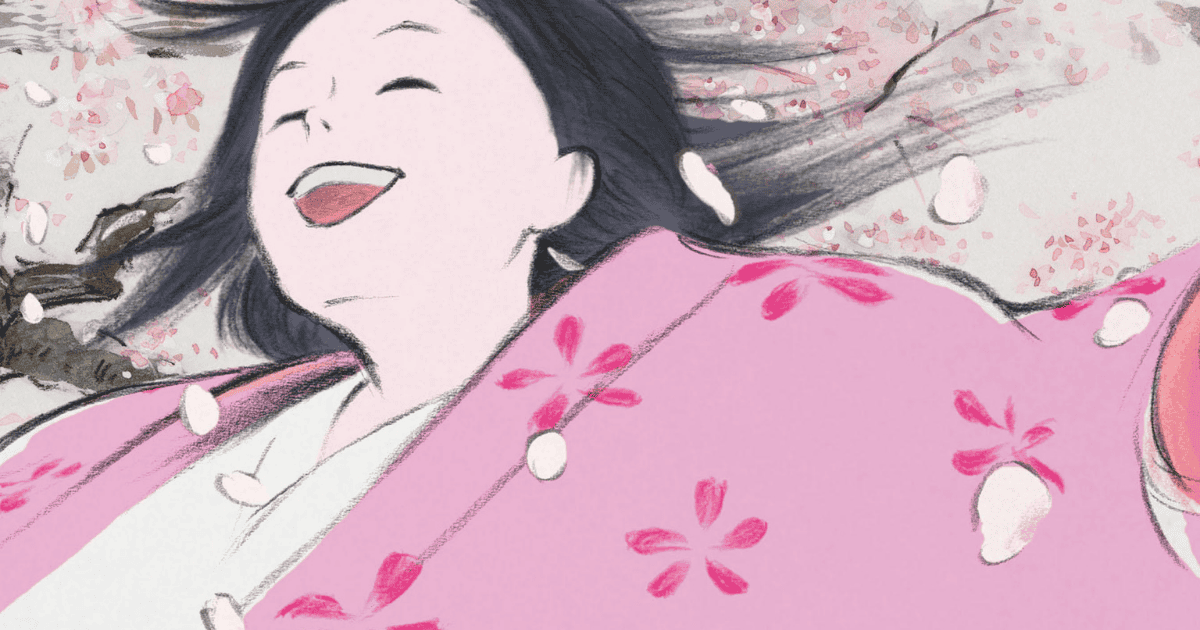
The images used in this article are from Studio Ghibli Works Still Images, in Japanese.
Can you name the movie before the scene comes into focus?
Put your visual memory to the test with a blurred Studio Ghibli scene.

Reader Comments