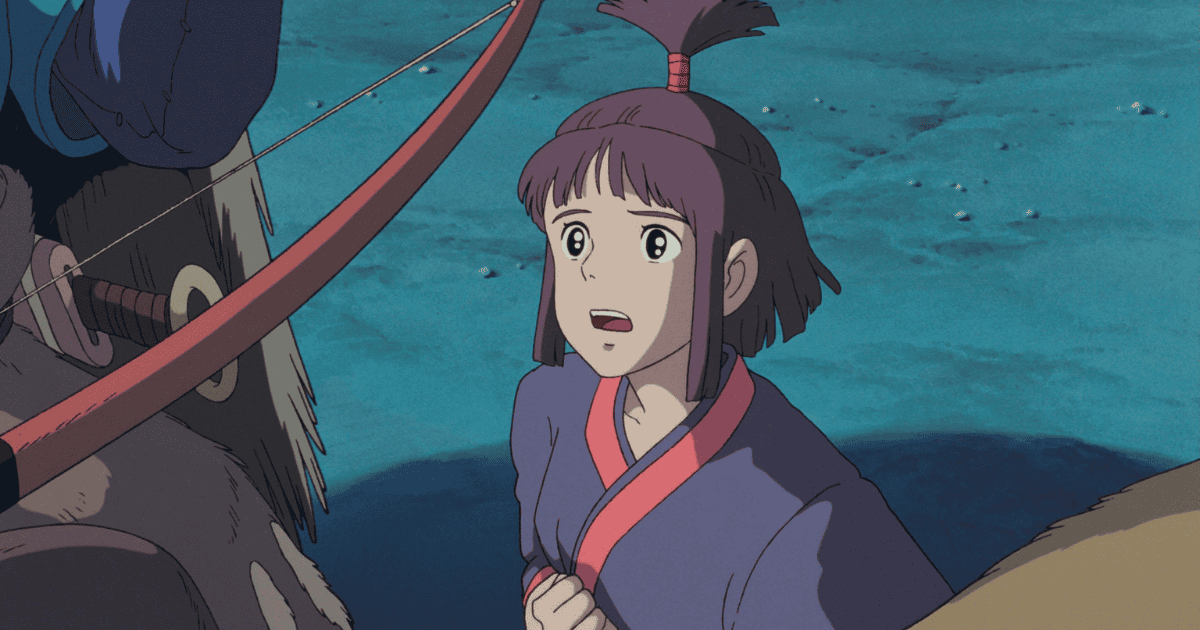
When I first watched Hayao Miyazaki’s Princess Mononoke(Studio Ghibli Official) in sixth grade, one scene made me stop short: Ashitaka hands the dagger Kaya gave him to the wolf gods, asking them to pass it on to San. Even on that first viewing, my immediate thought was: “Wait, you’re just giving that away?!”
As time passed, though, I began to wonder whether I could find a way to see this as a good scene. So here I am, trying to rationalize “The Problem of Kaya’s Dagger” until I can call it a good moment after all.
Before attempting that, let’s take a slightly teasing look at Ashitaka’s character and revisit the scene in the usual, less charitable way.
*This is a translated version. The original (Japanese) is available here.
- Ashitaka Has a “Kingly” Temperament
He takes the Irontown women’s joking invitation literally and joins them at work; he also tells San “You’re beautiful” without hesitation. I see these as expressions of a kingly confidence, untroubled by resentment or insecurity toward women. - Giving Away the Dagger Makes Sense to Him
For someone with Ashitaka’s “kingly” temperament, giving one woman’s present to another woman poses no problem. From this perspective, finding fault with the gesture means misunderstanding the kind of man he is. - The Dagger as a Source of Comfort
Driven from home on a journey without a clear destination, Ashitaka may have cried many times while holding Kaya’s dagger. Imagining those difficult nights changes how we see him. - A Tear That Changes His Reason for Living
When Ashitaka realizes that his curse has not been lifted, he sheds a tear. I read that moment as both despair and a turning point: he moves from trying to save himself to living for San. - A Gift Wishing San Well
On this reading, the dagger becomes more than Kaya’s present: it is something that helped Ashitaka through hardship. Giving it to San carries a wish that she, too, will come through safely—perhaps much like Kaya’s wish when she gave it to him.
On this pageContents
Ashitaka’s Character and the Gift of Kaya’s Dagger

Making Himself at Home: The Bellows Scene
Ashitaka is, I think, a brave, kind man who does not make a display of his suffering.
He is also a hero struggling under an unjust curse. I can’t help admiring how hard he tries in such a terrible situation. Yet his dealings with women reveal a rather unexpected side of him. His first visit to Irontown offers a telling example.
While Ashitaka eats with the men, the women who work the bellows come to see the newcomer. Half joking, they tell him to come over to their workplace. He replies that he would like to see it, and they joke that they will have to put on their makeup before returning to work. After visiting Eboshi’s secret room, Ashitaka joins the women and starts working the bellows.
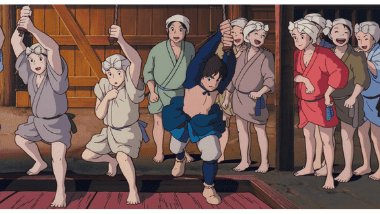
That may sound like an ordinary sequence of events. To put it deliberately unkindly, though, Ashitaka takes the women’s teasing invitation completely literally, makes himself at home in their workplace, and starts working the bellows without anyone asking him to.
I’d probably stop by to say hello, at most. I certainly wouldn’t walk straight in and start doing their work, nor would I assume that a teasing invitation meant I was actually expected to come.
Behind the Scenes: The documentary How Princess Mononoke Was Born includes the recording of Toki’s line telling the other women to let Ashitaka take a turn at the bellows. Sumi Shimamoto, who voices Toki in Japanese, has quite a hard time getting it right.
Miyazaki seems dissatisfied because Toki sounds too positive about Ashitaka. I suspect he wanted a more dismissive tone: “He really did turn up. He won’t leave until we let him try, so let’s get it over with.” That nuance proves difficult to capture, and there are several retakes. The documentary’s recording sessions are well worth watching. Voice acting looks like hard work.
So how does Ashitaka manage to act like this?
Ashitaka: The Man Who Was to Become Chief
We should remember that Ashitaka was supposed to become the chief of his village—a king, in the terms I’m using here. Had the curse not sent his life off course, he would have taken that position. And there is no reason to assume that Kaya would necessarily have been his only wife.
Miyazaki touches on this in The Place Where the Wind Returns, Continued (続・風の帰る場所, in Japanese). After mentioning someone who had asked whether Ashitaka would return to his village, he says:
“It’s a meaningless question, isn’t it? But when I said, ‘If he takes San back home, Kaya will be there,’ someone replied, ‘Oh, I see.’ Put it on that level and it becomes very easy to understand. (Laughs.) I went a step further and said, ‘No, he could have both of them as his wives.’ (Laughs.)”
The important phrase is “both of them as his wives.” That’s a king for you. My point isn’t that Ashitaka is a womanizer; it is that he has no pent-up resentment or unease toward women. Given the position he was born into, why would he?
On this reading, it never occurs to Ashitaka that the women might not welcome him. They say “come over,” and he thinks, “Of course! I’ll come!” He can tell San “You’re beautiful” so readily for much the same reason: he does not imagine that his words might be rejected.
Giving Kaya’s Dagger to San
Seen in that light, the dagger scene becomes even worse—or perhaps even funny. I can just imagine Ashitaka thinking, “It’s all sparkly. I bet San would like it if I gave it to her.”
What an irritating man. And San only makes it worse: she calls the dagger beautiful and happily puts it around her neck.
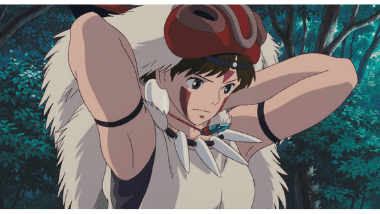
Don’t fall for it, San! That isn’t a keepsake from his parents; it’s a present from his ex! What lie would Ashitaka tell if she asked where it came from? No, scratch that: like a king, he’d surely answer quite calmly, “A woman gave it to me.”
Ashitaka is a hero suffering under an unjust curse, and he deserves our sympathy. More than that, I respect him for struggling against that injustice and doing his best to live. We should try to live as earnestly as he does. But when women are involved, his kingly manner is decidedly irritating.
All this is my middle-aged reconsideration of the reaction I had in sixth grade: “Wait, you’re giving that away?” Ending there wouldn’t be much fun. Let’s see whether we can turn this irritating scene into a good one after all.
Rethinking the Gift of Kaya’s Dagger
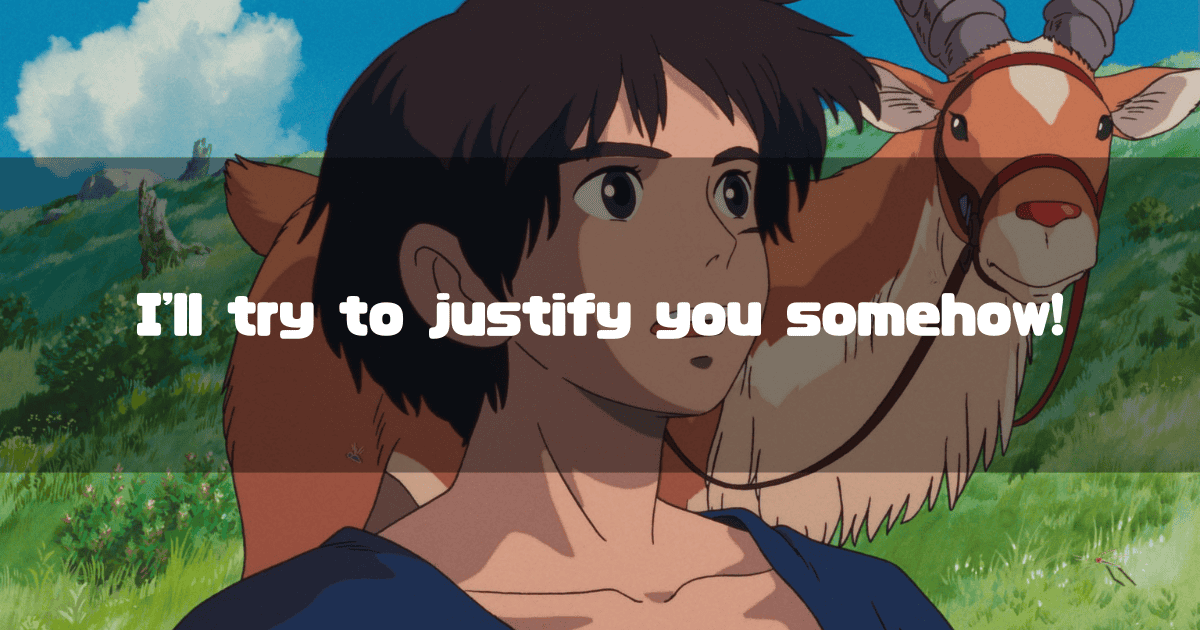
Ashitaka’s Suffering and His Tear
I’ve been teasing Ashitaka a little, but we mustn’t forget that he is a man enduring terrible hardship.
He protects his village and its women, only to receive a curse and be told to leave. I can only imagine the turmoil inside him. Yet when Kaya comes to see him off, he does not pour out his suffering and ask her to comfort him; he gives her a broad smile. He really is a good man.
And this man sheds a tear just once on screen.
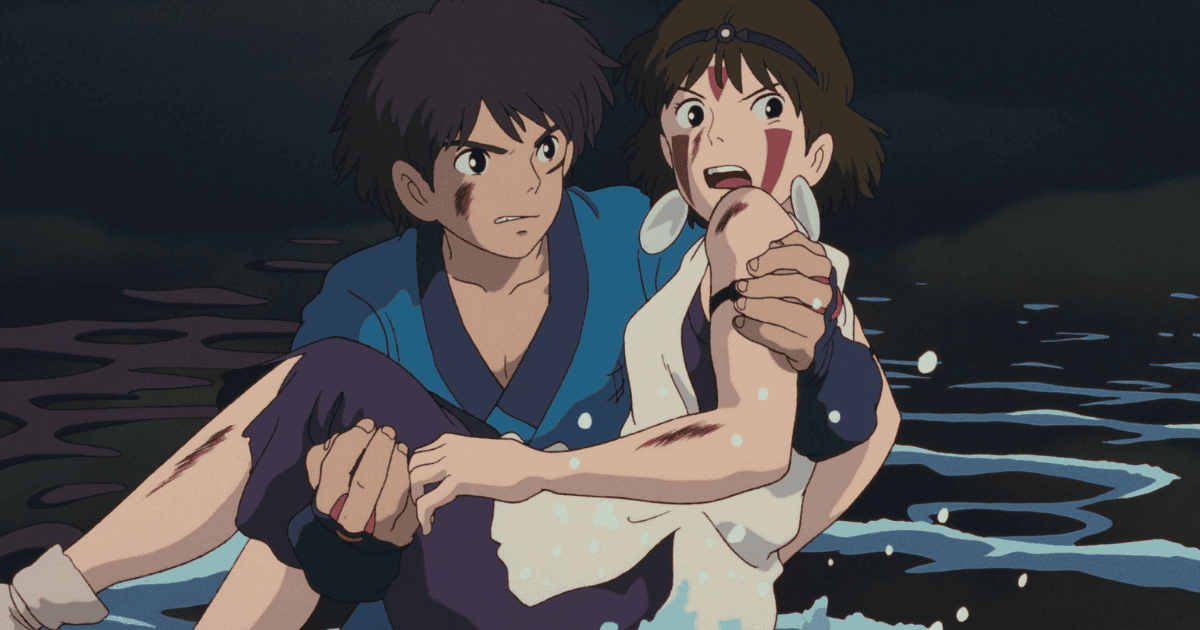
The Turning Point: After San’s attack on Irontown and her confrontation with Eboshi, Ashitaka tries to leave with her. He is accidentally shot, but the power of his curse allows him to keep walking. Eventually he loses consciousness from blood loss, and San entrusts his life to the Forest Spirit (Shishigami).
The Forest Spirit heals his wound but does not lift the curse. When Ashitaka wakes and sees that the mark on his arm remains, a single tear runs down his face.
It is one of the film’s most memorable moments, and, to my mind, a decisive break in Ashitaka’s story. His reason for living changes on either side of that tear. Before it, he struggles to lift his curse; afterward, he lives for San.
What I want to consider is how many times Ashitaka might have cried between leaving his village and shedding that tear. The film doesn’t show us, so we can only imagine. But how we answer helps shape our own image of Ashitaka. What follows is my reading.
How Many Times Did Ashitaka Cry?
There are two possibilities: that was his first tear, or he had cried many times before. I take the latter view. I have no particular evidence for it, but I can’t help seeing him that way. How hard must the journey have been for someone driven from home after doing the right thing? Even finding food must have been difficult. Worse, he had no clear destination. If he knew where he was going, perhaps he could keep his spirits up. But simply heading west, without even knowing whether his curse could be lifted, must have felt like hell.
On such a journey, I can’t imagine there weren’t nights when he held Kaya’s dagger close and cried, “Kaya…”
If we picture those nights, Jigo’s mention of the Forest Spirit becomes a piece of extraordinarily good news for Ashitaka.
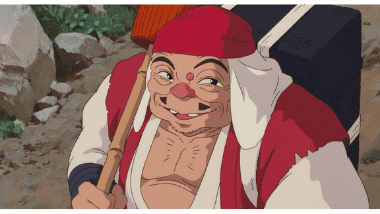
As I imagine Ashitaka hearing it, Jigo is saying something like: “A little farther west there’s a good place called the Forest Spirit Clinic. Talk to Dr. Forest Spirit, and maybe he can do something about your illness.” At last, a journey without a destination has somewhere hopeful to lead.
The result, though, is the sad one I’ve described. The mark remains. In my imagined doctor’s language, Ashitaka has finally reached Dr. Forest Spirit, only to hear: “Well, this isn’t really a matter of curing the illness. Shall we think about what comes next?” The illness has not been cured. After all that hardship, he must truly have despaired.
Ashitaka Is “Okay Now”
His story began in hardship and almost ended in despair. But there was another piece of good news: San. As I’ve argued, his reason for living changes around that tear—or perhaps it is better to say that he becomes able to change it.
Meeting San opens another path: instead of fighting his own suffering, he can try to save her and live with her. Of course, Moro laughs off his condescending notion of “saving” San. There is that kingly streak again. Even so, he has found something to live for.
Seen through this imagined journey, the gift of the dagger takes on a different meaning.
If we imagine him crying over it night after night, giving it to San means handing over something precious that helped him through his suffering. It becomes a wish for her well-being: “May you come through safely.”
Above all, it suggests that Ashitaka no longer needs the dagger that once sustained him.
Seen that way, the scene leaves me thinking: “Ashitaka, you’re going to be okay now. You couldn’t lift the curse, but you can go on living. You’ve done so well. And I’m glad you met San.”
Conclusion: Reconsidering Kaya’s Dagger
Ashitaka, who was supposed to become a chief, has no pent-up unease toward women. He takes their invitation literally and helps with the bellows without being asked. In that context, giving Kaya’s dagger to San can look like the rather thoughtless gesture of a man thinking, “Give her this and she’ll be pleased.” That seems broadly right to me.
But if we imagine the hardships of his journey, the scene can also show a man who has come through his suffering. Rather than reproaching him, perhaps we should cheer him on: “Good for you!”
That is where this reading takes me. You may still find the gesture irritating, but isn’t this at least a little better than leaving it unexamined?
An Aside: Ashitaka and Lady Eboshi
I’ve focused on Ashitaka’s lack of unease toward women. Another side of him, though, is his youth—his inexperience. Eboshi delivers a line that cuts right through it.
During their confrontation in Irontown, Eboshi delivers one of the most piercing lines in the film: “Do not show off your petty misfortune so smugly.”
Eboshi’s own life has been harsh enough for her to call Ashitaka’s curse, exile, and hellish journey merely a small piece of bad luck. I can see why she would say that, though it still feels a little excessive.
Even so, I think that harsh remark helps sustain something fundamental in Princess Mononoke.
It may be thanks to Eboshi that we can go on seeing Ashitaka positively as the hero. His youthful inexperience includes, in one way or another, a sense that he is the most unfortunate person in the world. And fair enough: he has suffered an unjust curse, lost his home, and endured that hellish journey. Without Eboshi’s remark, though, his bearing might have begun to grate. A woman who has endured as much hardship as he has, perhaps more, reins in this inexperienced young man and gives the film its balance.
What do you think? Does this reading change how you see Ashitaka’s gift, or does it still strike you as a romantic faux pas? Let me know your thoughts!
The images used in this article are from Studio Ghibli Works Still Images.
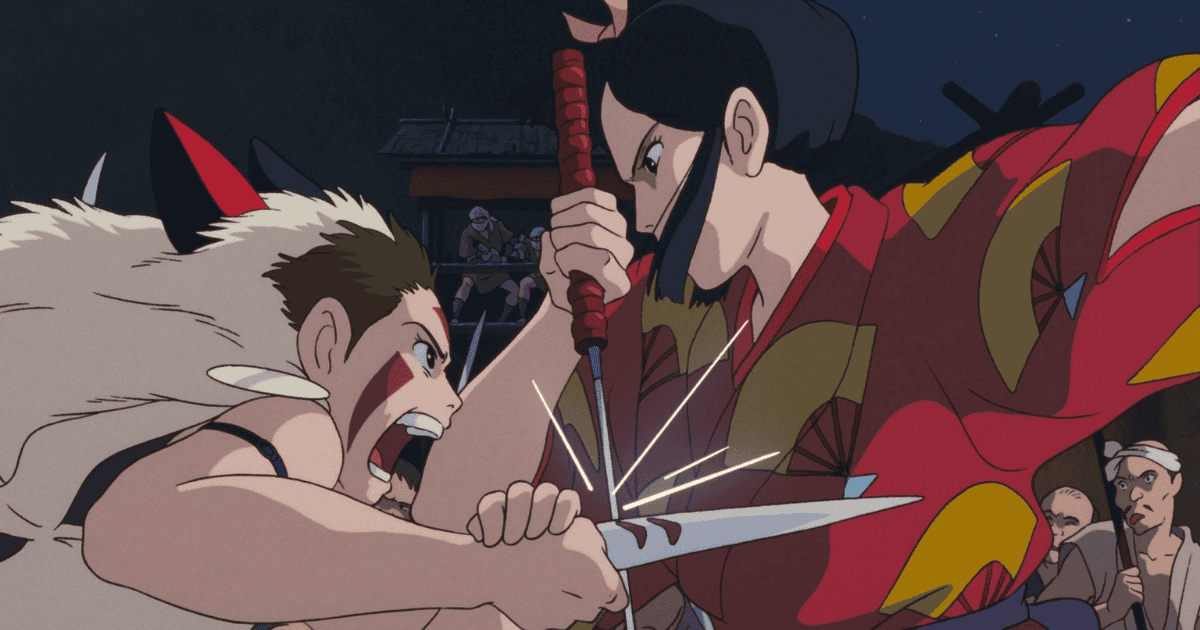
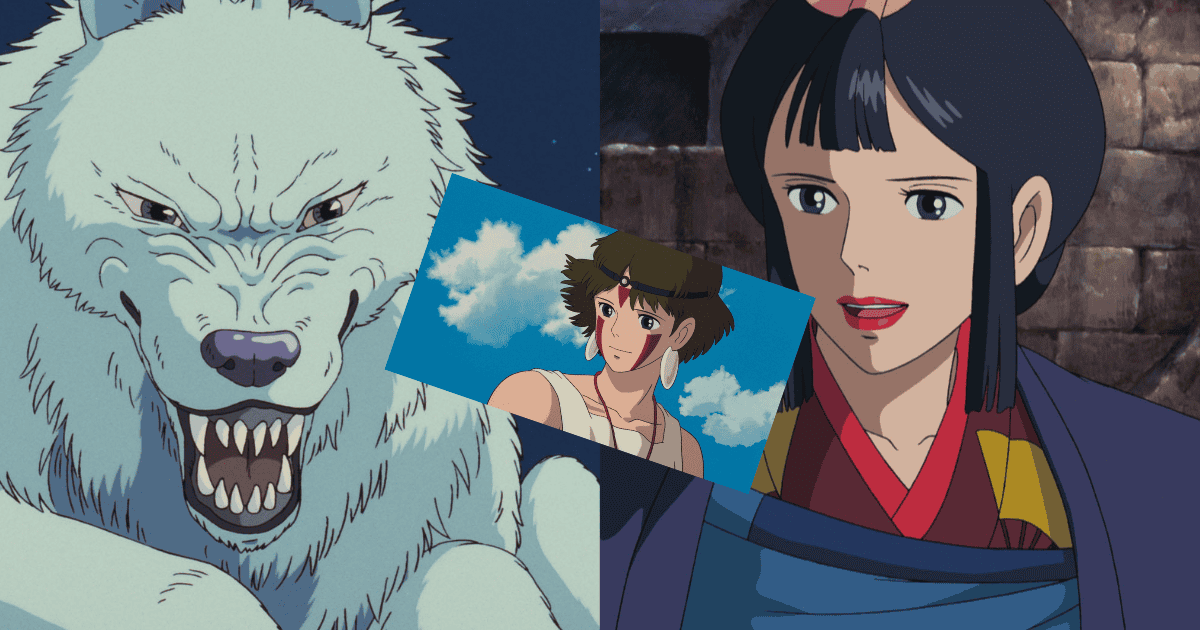
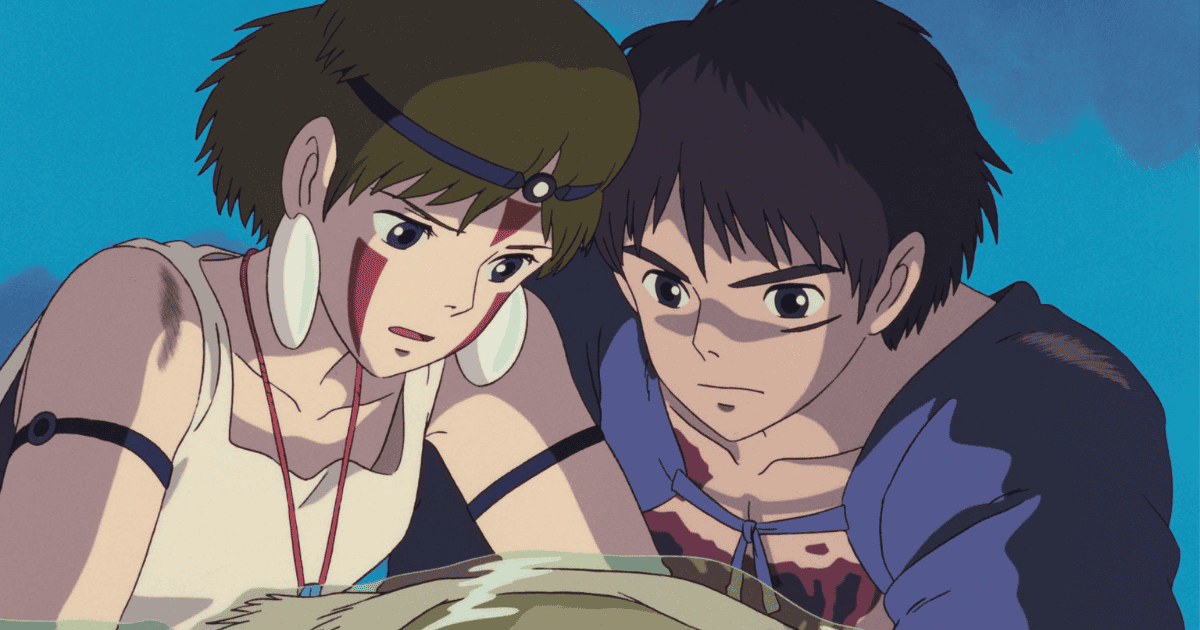
Can you name the movie before the scene comes into focus?
Put your visual memory to the test with a blurred Studio Ghibli scene.


Reader Comments