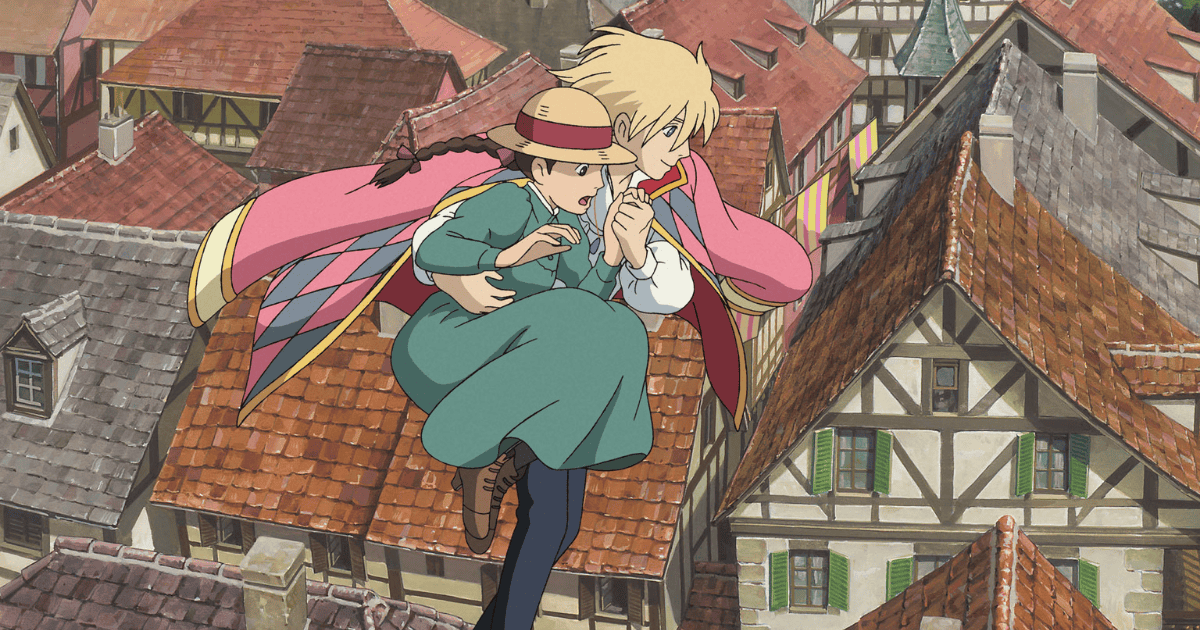
Howl’s Moving Castle (Studio Ghibli Official) is a 2004 animated feature film directed by Hayao Miyazaki.
In this article, I have selected ten of my favorite quotes from Howl’s Moving Castle.
The dialogue in the film often becomes even more interesting when the original Japanese is compared with the English translation. For each quote, I will look at the Japanese line, its romanization, the English subtitle, a literal translation, and what the dialogue tells us about the characters and the story.
These are not necessarily the ten most objectively famous lines in the film. This is a personal selection, and several of them are included simply because they have remained strangely fixed in my memory.
The film’s official English title is:
Howl’s Moving Castle
Translation note: The English subtitle wording in this article is based on the commercially released Blu-ray available to the author. The English dub is also discussed where its wording creates a meaningful difference. Subtitle and dub wording may vary between releases and territories.
▼ Read the full story and analysis behind these quotes

On this pageContents
Howl Quotes in Japanese and English
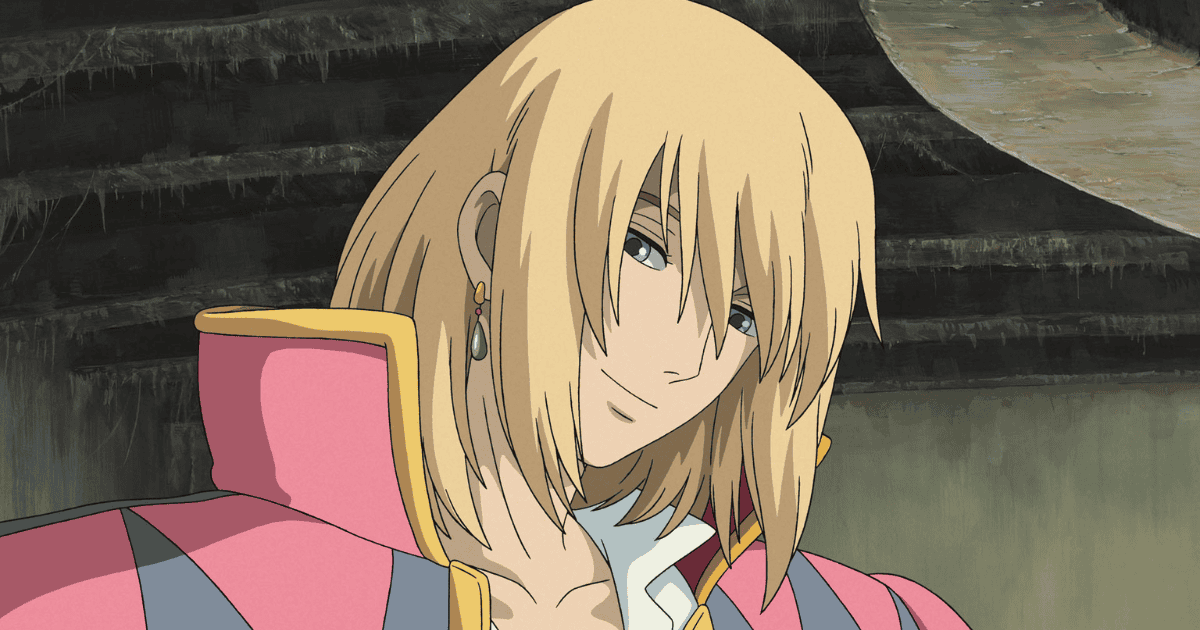
“Hey, there, I’m sorry. Where’ve you been?”
やあ、ごめんごめん。探したよ
Yā, gomen gomen. Sagashita yo.
Hey, there, I’m sorry. Where’ve you been?
Hey, sorry, sorry. I’ve been looking for you.
Read the Commentary and Analysis
At first glance, this sounds like nothing more than the casual line of an impossibly smooth young man.
By the end of the film, however, it becomes unexpectedly romantic.
When Sophie travels into Howl’s childhood, she desperately calls out to him:
“Wait for me in the future!”
Structurally, Howl’s first words to Sophie can therefore be read as an answer to that cry.
Of course, Sophie is the only person who can ever understand the connection.
Howl himself has no idea why those particular words came out of his mouth. In other words, the first person to make a move on the famously beautiful Howl was actually Sophie—from the past.
The subtitle is interesting because it changes the Japanese sagashita yo, “I’ve been looking for you,” into “Where’ve you been?”
The dub stays much closer to the Japanese:
“There you are, sweetheart. Sorry, honey, I was looking everywhere for you.”
The expression “Hey there” is also worth noticing. Like “Hello there,” it is simply a light, conversational greeting. Trying too hard to interpret what the word there literally contributes may only make the expression more confusing.
“What’s the point in living, if you aren’t beautiful.”
もう終わりだ、美しくなかったら生きていたって仕方がない
Mō owari da. Utsukushiku nakattara ikite itatte shikata ga nai.
I’m done for. What’s the point in living, if you aren’t beautiful.
It’s all over. If I’m not beautiful, there’s no point in being alive.
Read the Commentary and Analysis
This line appears to reveal Howl’s spectacular narcissism.
Still, if physical beauty matters that much to him, I cannot help wondering why he never tried to make the Moving Castle itself look slightly less horrific.
That contradiction may actually be important.
The castle’s ugly, chaotic appearance can be interpreted as an external representation of Howl’s real inner life: childishness, irresponsibility, emotional disorder, and all the other qualities he would rather not look at directly.
If Howl himself is aware, somewhere deep down, that he is not particularly proud of the person underneath the beautiful face, his obsession with appearance starts to make more sense.
Perhaps beauty is the one thing that allows him to tolerate himself.
And if even that disappears, he immediately concludes that life itself has lost its meaning.
Living is difficult indeed.
The notable English expression is “I’m done for.”
It means something like “It’s over for me,” “I’m finished,” or “There’s no hope left.” It is not necessarily an expression you need every day, but it fits Howl’s theatrical despair perfectly.
The dub uses:
“I give up. I see no point in living if I can’t be beautiful.”
“I’ve finally found someone I want to protect… You.”
何故? 僕はもう十分逃げた。ようやく守らなければならないものができたんだ。君だ
Naze? Boku wa mō jūbun nigeta. Yōyaku mamoranakereba naranai mono ga dekita n da. Kimi da.
I’m through running away. I’ve finally found someone I want to protect… You
Why? I’ve run away enough already. I’ve finally found something I must protect. You.
Read the Commentary and Analysis
Well, that is quite a beautiful declaration of love.
Perhaps men simply become hopelessly unstable when they have nobody else to live for.
Throughout the film, Howl is chased by the Witch of the Waste, Madame Suliman, the government, and seemingly half the world.
His basic philosophy has always been simple:
Never get caught.
He runs from responsibility, politics, relationships, and almost anything capable of restricting his freedom.
And then Sophie arrives.
Howl finally discovers what might be called the joy of being captured.
After spending so long desperately avoiding every possible commitment, he finally gives himself up willingly.
I cannot pretend I do not find that rather enviable.
The subtitle’s phrase “I’m through running away” means that Howl has finished with that way of life. He is not merely saying that he has physically stopped running at this particular moment.
The dub is slightly more explicit:
“Sorry, I’ve had enough running away, Sophie. Now I’ve got something I want to protect. It’s you.”
▼ Read more about Howl, his personality, role, and voice actor
Sophie Quotes in Japanese and English
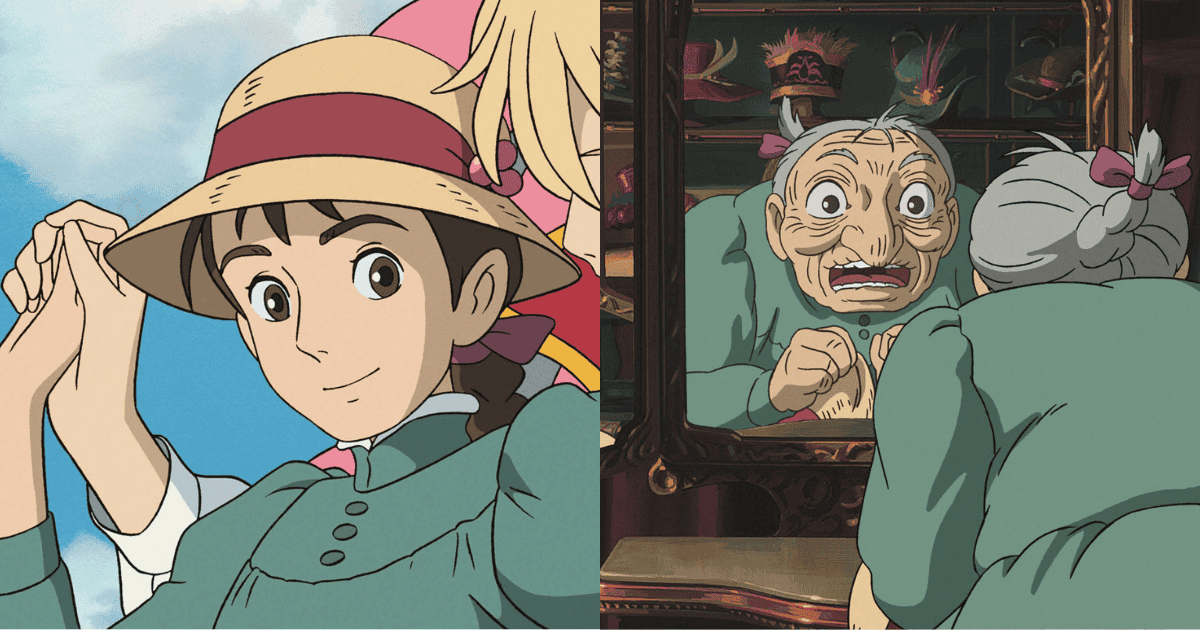
“I’ve never once been beautiful!”
あたしなんか美しかったことなんて一度もないわ!!
Atashi nanka utsukushikatta koto nante ichido mo nai wa!!
I’ve never once been beautiful!
I’ve never been beautiful even once!
Read the Commentary and Analysis
She looks perfectly attractive to me, but apparently Sophie’s own self-image is that she has never been beautiful even once in her entire life.
Is that supposed to be some kind of insult to the rest of us?
Joking aside, the line is important because it exposes something fundamental about Sophie.
The curse does not create her insecurity. It simply gives physical form to an insecurity that was already there.
Her problem has never merely been that she looks like an old woman.
Long before the Witch of the Waste appeared, Sophie had already decided that she was plain, unremarkable, and somehow less worthy of attention than the people around her.
The English subtitle is almost perfectly direct.
The dub is equally straightforward:
“I’ve never once been beautiful in my entire life.”
“You call Howl heartless!”
ハウルに心がないですって? 確かに、わがままで臆病で、何を考えているか分からないわ。でもあのひとはまっすぐよ。自由に生きたいだけ。ハウルは来ません。魔王にもなりません。悪魔とのことは、きっと自分で何とかします。私はそう信じます!
Hauru ni kokoro ga nai desutte? Tashika ni, wagamama de okubyō de, nani o kangaete iru ka wakaranai wa. Demo ano hito wa massugu yo. Jiyū ni ikitai dake. Hauru wa kimasen. Maō ni mo narimasen. Akuma to no koto wa, kitto jibun de nantoka shimasu. Watashi wa sō shinjimasu!
You call Howl heartless! Yes, he’s selfish and cowardly and unpredictable. But he’s straight as an arrow. He only wants to be free. Howl won’t turn into an evil monster. He’ll battle the demon on his own. I believe in him.
You say Howl has no heart? It’s true that he’s selfish and cowardly, and I don’t know what he’s thinking. But he’s straightforward. He only wants to live freely. Howl won’t come. He won’t become a demon king either. I’m sure he’ll deal with the demon himself. I believe that!
Read the Commentary and Analysis
If Howl’s “I’ve finally found someone I want to protect” is his declaration of love, then this extraordinarily long speech is Sophie’s declaration of love.
It is a magnificent confession.
It is also absurdly long and wonderfully indirect.
Why does Sophie need so many words?
I think the answer is simple.
A woman who knows Howl’s past is sitting directly in front of her.
Madame Suliman knows the gifted child Howl, his magical education, his weaknesses, and the dangerous path he has taken.
Sophie cannot tolerate that advantage.
She desperately wants to declare:
“I understand Howl better than you do.”
That competitive impulse produces this long speech.
In other words, this is not merely Sophie defending Howl’s character.
It is a wonderfully roundabout expression of a young woman’s feelings.
The subtitle’s “straight as an arrow” corresponds loosely to the Japanese massugu, literally “straight.” Here it means that beneath Howl’s selfishness, cowardice, evasiveness, and theatrical behavior, Sophie believes there is something fundamentally sincere about him.
The dub expands the idea:
“Howl would never be so heartless. He may be selfish and cowardly and sometimes he’s hard to understand, but his intentions are good. He just wants to be free. Howl won’t come here. He doesn’t need your help. He’ll confront his problem with the demon on his own. I’m certain of it.”
“Wait for me in the future!”
未来で待っててー!
Mirai de mattete—!
Wait for me in the future!
Wait for me in the future!
Read the Commentary and Analysis
This is one of the film’s most unforgettable lines.
Considering that Howl and Sophie eventually manage to meet in the future, the words almost seem to possess the power of a curse.
Sophie enters Howl’s childhood, witnesses the moment when he gives his heart to Calcifer, and then calls out to him across time.
That transforms their first meeting earlier in the film.
What initially appears to be a random romantic encounter may actually be the fulfillment of a promise that Sophie has already planted in Howl’s past.
It is a wonderfully frightening idea when you think about it.
The subtitle translates the Japanese directly.
The dub changes the verb:
“Find me in the future!”
That small difference makes Howl slightly more active. In the subtitle, Sophie asks him to wait. In the dub, she asks him to search for her.
▼ Read more about Sophie, her curse, personality, and role in the story
Markl Quotes in Japanese and English
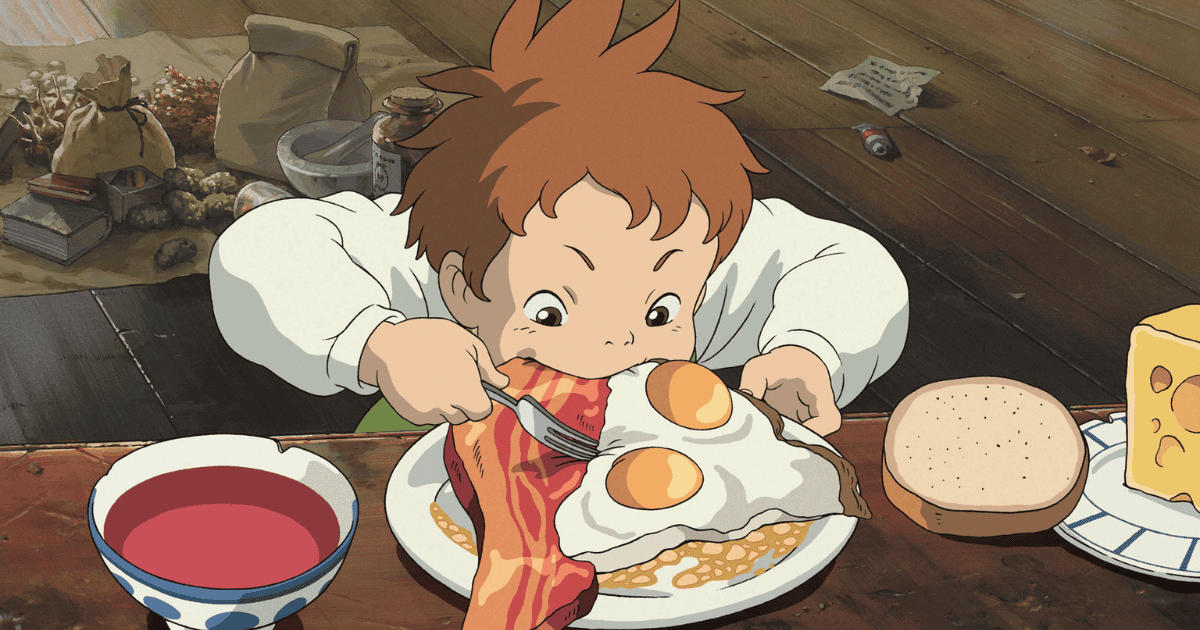
“Stand by!”
待たれよ
Matare yo.
Stand by!
Wait.
Read the Commentary and Analysis
I cannot have been the only viewer who smiled at this.
Until Markl’s wonderfully theatrical matare yo, the film has been under a surprising amount of tension.
Sophie’s transformation into an old woman is occasionally played for comedy, but her actual situation is extremely serious.
She has been cursed, forced from her home, and has no idea whether she can ever return to her former life.
Markl’s entrance is one of the first moments when the film lets us simply relax and laugh.
That balance is one of Hayao Miyazaki’s great strengths.
When he clearly wants the audience to smile, he has an extraordinary ability to make us smile.
The comedy functions as a perfectly timed interruption, and that temporary release of tension actually increases our immersion in the story.
In that sense, Markl is far more important than his size might suggest.
The subtitle uses “Stand by!” and the dub uses exactly the same expression.
The humor in Japanese depends heavily on the old-fashioned formality of matare yo and Ryunosuke Kamiki’s performance, so I have always wondered whether English-speaking viewers found the scene quite as funny.
“Don’t go Sophie! I love you, Sophie. Please stay.”
ソフィー、行かないで! 僕、ソフィーが好きだ! ここにいて!
Sofī, ikanaide! Boku, Sofī ga suki da! Koko ni ite!
Don’t go Sophie! I love you, Sophie. Please stay
Sophie, don’t go! I love you, Sophie! Stay here!
Read the Commentary and Analysis
Howl may be the only person Sophie consciously “captures,” but by the end of the film she has effectively captured everyone associated with the Moving Castle.
Markl is no exception.
Howl is her romantic partner, so his attachment is easy enough to understand.
Markl’s future is more interesting.
At the end of the film, he is still living with Sophie and Howl aboard the newly transformed flying castle.
What kind of life will he eventually lead?
Will there come a day when he finally leaves the flying castle, looks back, and thinks:
“Ah. So Sophie was my first love.”
That faint sadness beneath the happy ending may be part of what makes Howl’s Moving Castle so appealing.
The English subtitle is very direct.
The dub uses:
“Don’t leave, Sophie. I love you. You have to stay.”
▼ Read more about Markl and the other characters
Turnip Head Quote in Japanese and English
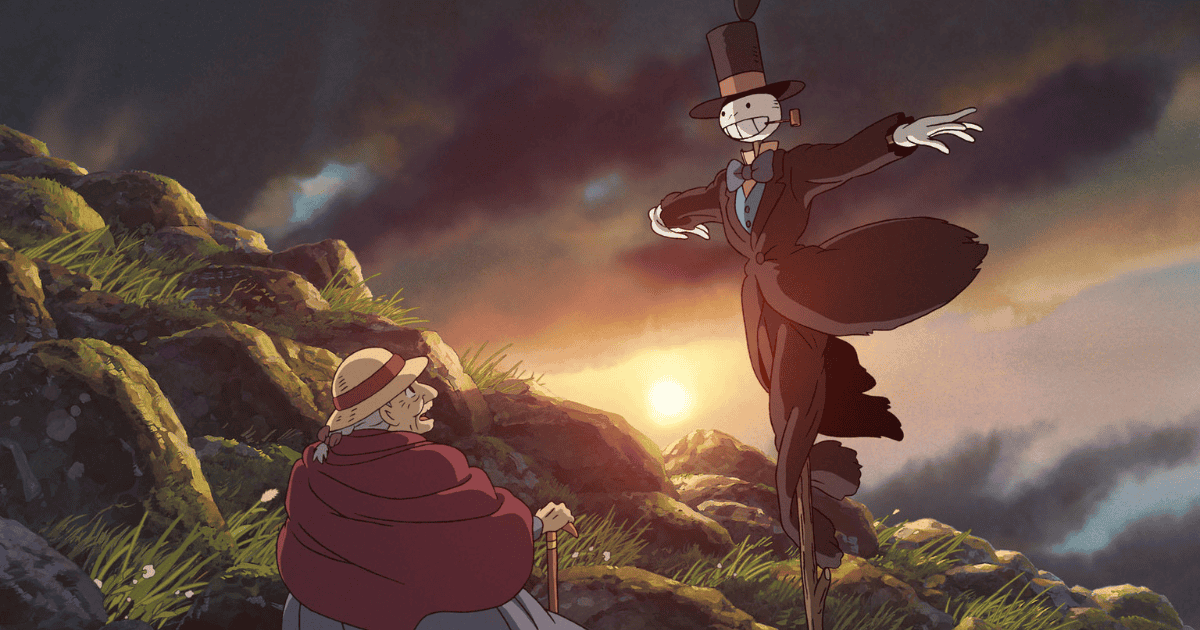
“A fickle heart is the only constant in this world.”
心変わりは人の世の常と申しますから。
Kokorogawari wa hito no yo no tsune to mōshimasu kara.
A fickle heart is the only constant in this world.
They say that a change of heart is simply the way of the human world.
Read the Commentary and Analysis
Turnip Head spends almost the entire film as a mysterious scarecrow, only to reveal at the very end that he is actually the missing prince of the neighboring kingdom.
And then he delivers this line.
At that point, it suddenly becomes impossible not to notice:
Howl’s Moving Castle is basically a shōjo manga.
Sophie begins the story vaguely dissatisfied with herself and her ordinary life.
Then an impossibly beautiful young man suddenly appears, literally sweeps her off her feet, and carries her into an extraordinary world.
By the finale, even the strange scarecrow who has been loyally following her turns into a handsome prince.
It is difficult to make the fantasy any more complete than that.
The English subtitle is particularly elegant:
“A fickle heart is the only constant in this world.”
Fickle means changeable, unreliable, or easily shifting in affection.
The wording has the compact quality of a proverb.
The English dub instead says:
“One thing you can always count on is that hearts change.”
The meaning is essentially the same, but the subtitle sounds considerably more literary.
▼ Read more about Turnip Head and his true identity
The King’s Quote in Japanese and English
“This is the final battle. This time, we’ll beat them to a pulp.”
さ~りま~ん。いよいよ決戦だぞ~! 今度こそ叩きのめしてやる!
Sārimān. Iyoiyo kessen da zō! Kondo koso tatakinomeshite yaru!
Suliman! This is the final battle. This time, we’ll beat them to a pulp.
Suliman! The decisive battle is finally here! This time I’ll crush them!
Read the Commentary and Analysis
The King appears for only a few dozen seconds, and this is practically his only memorable line.
Yet those few seconds are enough to leave us with one terrible realization:
“Ah. This war is never going to end.”
He sounds almost delighted.
That cheerful innocence is precisely what makes him so depressing.
The people actually suffering in the war are nowhere near this conversation, while the man at the top treats another massive battle as though he were announcing the next round of a sporting event.
The important English expression is “beat someone to a pulp.”
Literally, pulp is a soft, crushed mass. To “beat someone to a pulp” therefore means to beat them extremely badly—to beat them until they are effectively smashed to pieces.
The dub expands the King’s enthusiasm slightly:
“I’ve got a new battle plan. This time, we’re going to beat them to a pulp.”
With one short appearance, he manages to make the future of the entire country feel hopeless.
▼ Read more about the King and the film’s other characters
Those are the ten lines from Howl’s Moving Castle that I personally selected for this article.
Looking at them together, one thing becomes especially clear: much of the film is about people who spend their lives running from commitment finally finding someone or something they are willing to remain with.
Howl stops running. Sophie stops hiding inside her own low self-esteem. Markl finds a family he desperately does not want to lose. Even Turnip Head accepts Sophie’s rejection with remarkable dignity and returns to his own responsibilities.
That may be why the film’s most romantic lines are not simply declarations of love. They are promises about staying, waiting, protecting, and meeting again.
Which quote from Howl’s Moving Castle has stayed with you?
The images used in this article are from the Studio Ghibli Works Still Image Collection.
Can you name the movie before the scene comes into focus?
Put your visual memory to the test with a blurred Studio Ghibli scene.



Reader Comments