
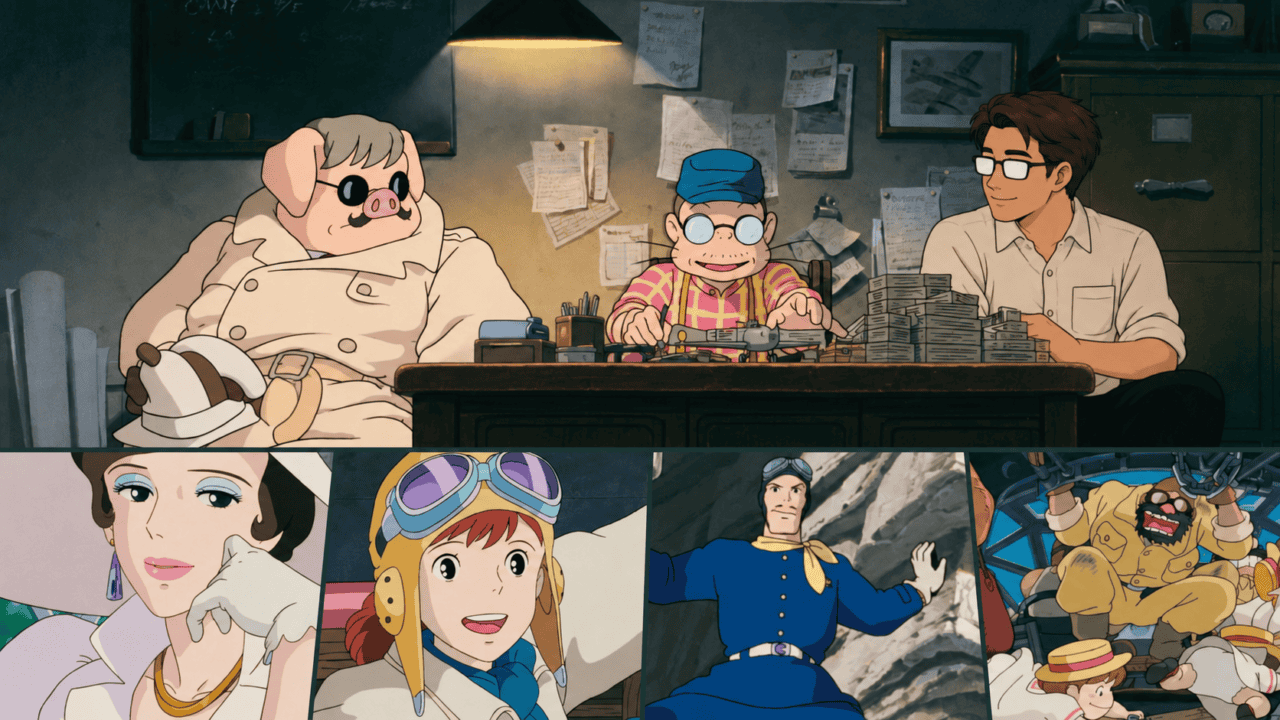
Hayao Miyazaki’s Porco Rosso(Studio Ghibli Official) was released in 1992.
Here, I revisit its characters and voice cast and consider what makes these people—and their stories—so appealing.
The discussion of Porco Rosso below contains major spoilers.
*This is a translated version. The original (Japanese) is available here.
On this pageContents
Porco Rosso (1992) Main Characters & Voice Actors List
The table below brings together the main characters and the voice performances covered in this guide.
| Name | Age | Voice Actor (English Dub) |
|---|---|---|
 Porco Rosso | 36 | Michael Keaton |
 Madame Gina | Unknown | Susan Egan |
 Fio Piccolo | 17 | Kimberly Williams-Paisley |
 Mr. Piccolo | Unknown | David Ogden Stiers |
 Boss | Unknown | Brad Garrett |
 Donald Curtis | Unknown | Cary Elwes |
Porco Rosso (1992) Character Map
The map outlines the relationships discussed in this guide and provides a reference for the character profiles below.
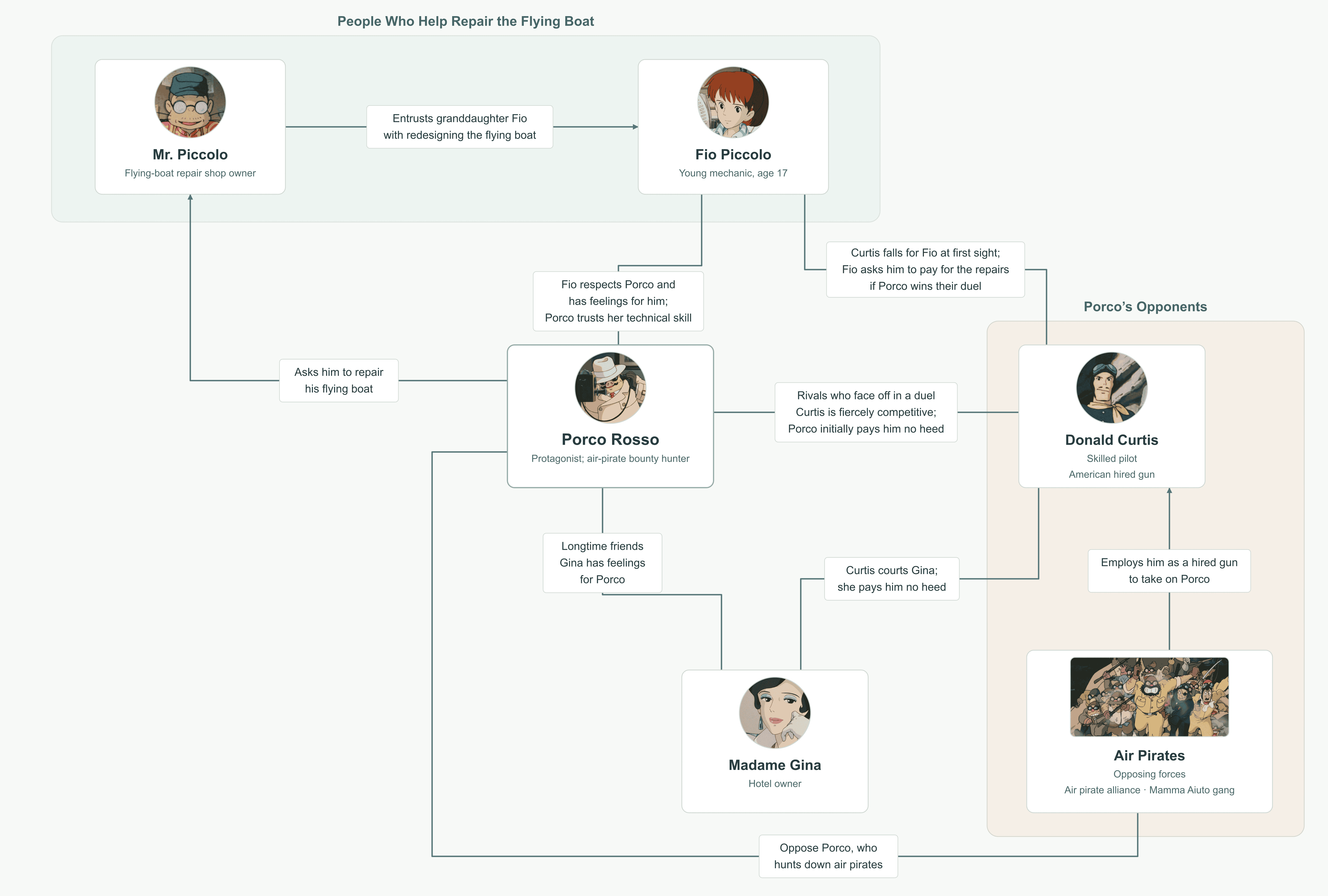
The air pirates make their living by plundering ships, while Porco earns bounties by fighting them. Fio is the granddaughter of Mr. Piccolo, whom Porco hires to repair his seaplane. She accompanies Porco to see how her redesign performs.
▼ Discover the lines that define these characters
Porco, Gina, Fio, Curtis, Mr. Piccolo, Ferrarin, and the Mamma Aiuto Boss reveal their personalities through some of the most stylish dialogue in Studio Ghibli’s films. Compare the original Japanese with the English subtitles, literal translations, and dub wording in our guide to 17 memorable Porco Rosso quotes.
Character Profiles and Analysis
The following profiles consider the characters’ motives, relationships, and roles in the story.
Porco Rosso | Voiced by: Michael Keaton
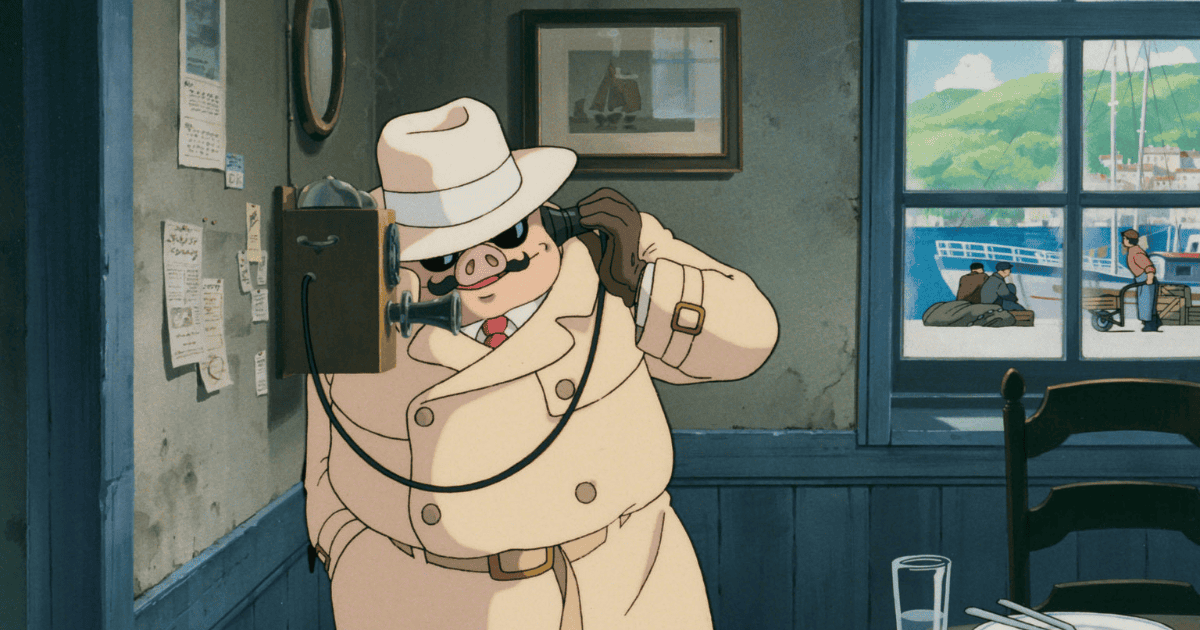
The Cynical Bounty Hunter
The film’s protagonist is 36 years old.
An ace pilot during World War I, Porco has since retired from military service and now earns a living hunting air pirates.
It is the sort of background that seems to embody a man’s romantic ideal of adventure. Yet, early in the film, his rescue of what he expects to be lovely young ladies turns into the rather less glamorous task of rescuing a lively bunch of children.
What Changes for Porco?
Porco is, of course, the protagonist. But how does he change between the beginning and the end of the story?
My answer is that his basic approach to life does not change at all. That, to me, is what Porco Rosso is about.
Some things do change: he seems to have got together with Gina, and I suspect they are married. His seaplane is moored at the Hotel Adriano just before the final scene—a detail that has become well known.
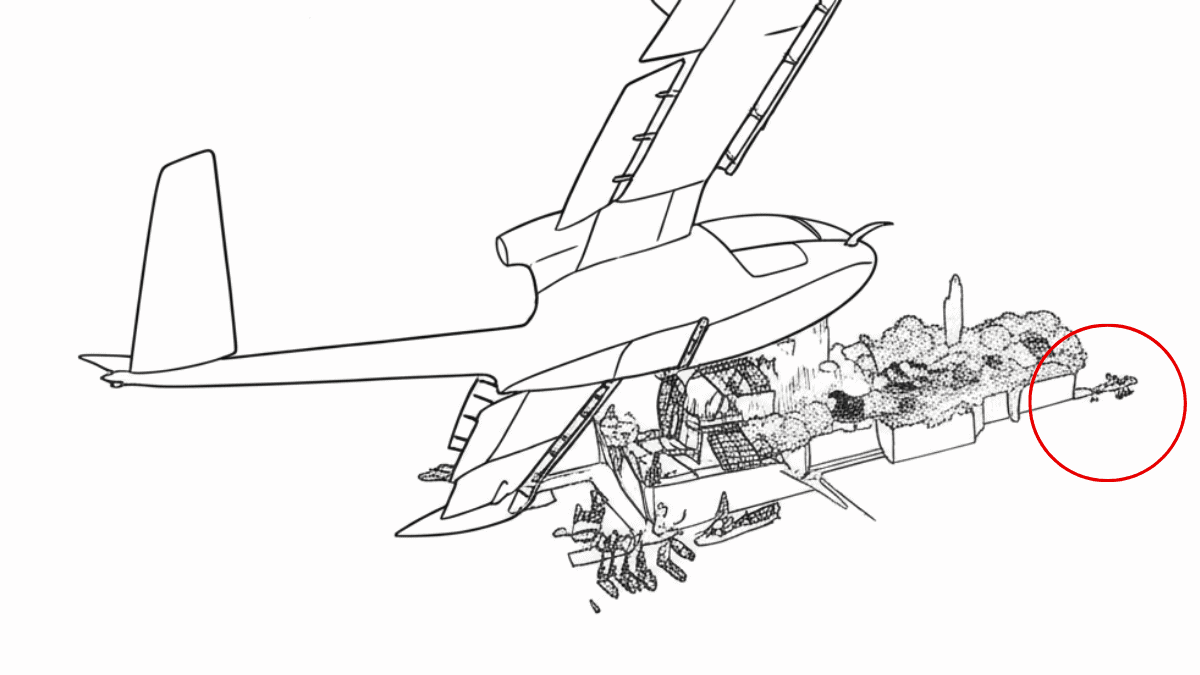
Even then, I imagine he keeps stubbornly flying, as though declaring, “I won’t be domesticated!”
That is much the same attitude he adopted after World War I, turning his back on a changing world and insisting on remaining himself.
Still, having Gina beside him must make him happy. After all, she gives him someone to push back against while insisting, “You won’t tame me!”
Madame Gina | Voiced by: Susan Egan
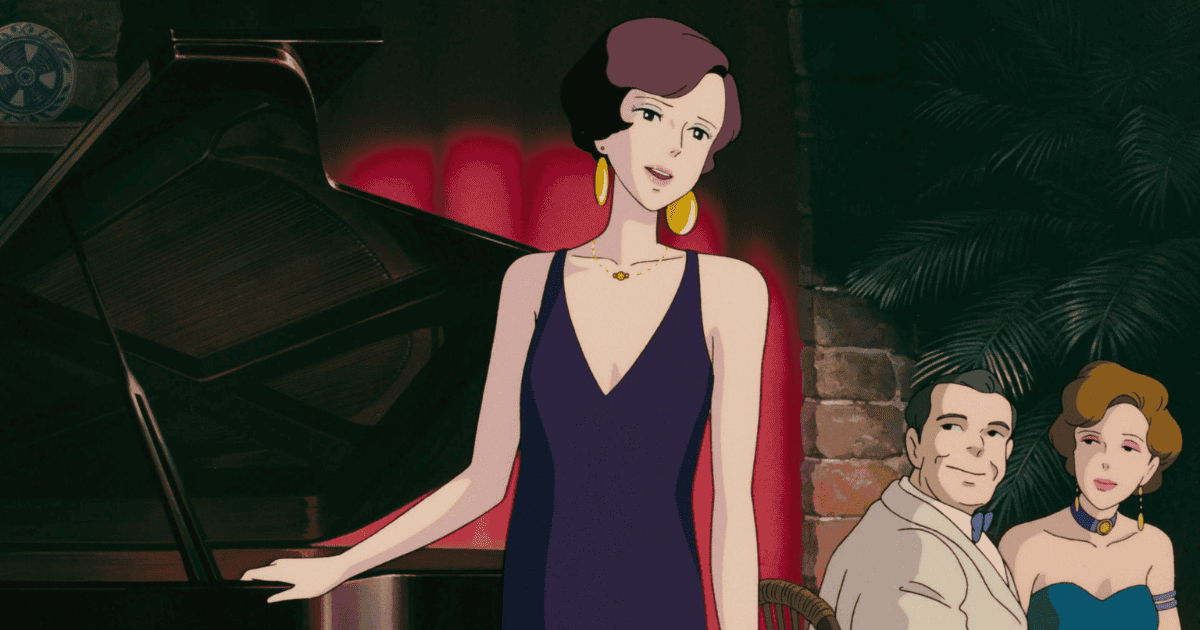
The Queen of the Adriatic
Gina owns the Hotel Adriano and is Porco’s childhood friend. According to the Mamma Aiuto Boss, every pilot in the Mediterranean falls in love with her.
She has married three pilots and lost all three. News of her third husband’s death reaches her after the story begins.
Does she have a thing for pilots, or was she choosing from a small circle of acquaintances? You would think she might have reconsidered after losing two husbands. Her third must have been quite a man.
Perhaps she has run out of options, but Gina finally turns her attention to Porco. Her bet—”If Porco comes down into my garden, this time I’ll love him”—does sound rather as though she is doing him a favor.
As noted above, we can see Porco’s seaplane behind the Hotel Adriano just before the final scene. I think we can take that as Gina having “won the bet” (the red circle in the image marks the plane).
A Closer Look at Gina’s Three Marriages
We can take Gina’s three marriages as lightly as I have above, but there is also room to explore them in more depth.
Marrying three seaplane pilots in a row seems a little extreme. More extreme still is that Porco, her fourth prospect, is also a seaplane pilot. Surely she might consider someone in another line of work?
Yet she readily turns down Curtis, another excellent pilot. Porco may be the story’s protagonist, but if she has only now decided to marry him, why wouldn’t Curtis do?
Thinking through Gina’s choices somehow leads me, in the end, to Antoine de Saint-Exupéry, the author of The Little Prince. I explore that connection in the article below.
Read the full analysis: Gina’s Marriages and Why She Rejects Curtis
Fio Piccolo | Voiced by: Kimberly Williams-Paisley

The Teenage Mechanical Genius
Fio is 17 and works at her grandfather’s seaplane company, Piccolo S.P.A. Young as she is, her talent earns her the task of redesigning Porco’s aircraft.
When I watched Porco Rosso as a child, Fio’s insistence on tagging along irritated me. Perhaps I would have felt differently if her backside had been a little smaller and the plane had not needed to lose some equipment to make room for her. In any case, I could not bring myself to like her then.
Now that I am older, it is less a matter of disliking her than of feeling that something is not quite right.
I understand why she wants to go. Her redesign introduces new mechanisms, and she wants to see how they work. Talented as she is, she is still 17 and lacks the confidence that comes with experience. Wanting to check the plane’s condition is perfectly understandable.
I also imagine that the journey with Porco appeals to her in its own right. Taking the plunge is a privilege of youth—and a feeling we should not forget.
So what feels wrong to me?
If we look at Fio’s work as a story about professional ethics, staying behind would have been much cooler.
Fio will probably create countless new things throughout her life. Will she follow every one of them after it leaves her hands? That hardly seems the way a craftsperson should work. Usually, once you hand something over, you cannot keep tinkering with it. Nothing is perfect, so you go on to the next job with a lingering thought of what you should have done differently.
That is how work goes. After making animation for so many years, Miyazaki must know that better than anyone.
Knowing that the plane must eventually leave her hands, Fio would have been cooler still if she had built something that could manage without her, held herself back, and seen Porco off.
Why, then, does the story have Fio follow Porco? My answer can only be: “Because Porco is secretly pleased to have her along.“
I read his quick surrender after initially refusing her as a sign that this was what he wanted. The brief show of resistance was merely “a middle-aged man’s manners.”
Looking at the story from a little distance, we also know that:
- The woman he has long been in love with wants to be with him.
- After his duel with Curtis, he receives a kiss from Fio as a reward.
Miyazaki, who has far more freedom to shape this world than we do, is the one writing that story.
In those terms, Fio’s decision to accompany Porco amounts to “a middle-aged man’s dream.“
Yet Porco still treats her as a child and tries to keep her at a distance. Doesn’t that echo the ending of Miyazaki’s Lupin the Third: The Castle of Cagliostro?
Even if a man entertains a flattering dream, choosing not to make it real is “a middle-aged man’s manners.” He must not tie down a young person with a future ahead of her. Indeed, imagining that he could hold her back is itself part of that dream.
Whether this was Miyazaki’s own dream, I do not know. But we all grow older. There is nothing wrong with having the dream when our turn comes, provided we also have the manners. That is what I think we learn from Cagliostro and Porco Rosso.
Mr. Piccolo | Voiced by: David Ogden Stiers
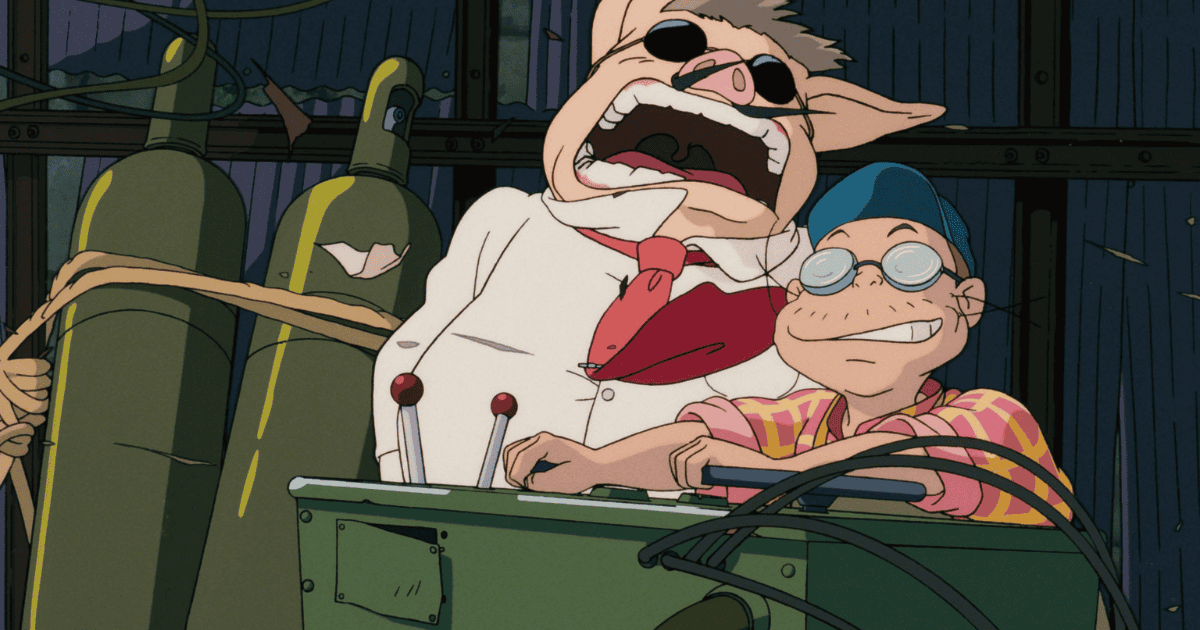
The Master Mechanic
Mr. Piccolo runs Piccolo S.P.A., a seaplane company in Milan, and is Fio’s grandfather.
He is an old acquaintance of Porco, who seems to trust his work.
With the three sons who normally handle design work absent, he entrusts the redesign of Porco’s Savoia to Fio, recognizing her talent. Men are in short supply, and the rebuilding is carried out entirely by women.
Trying to reassure a highly skeptical Porco, Piccolo proudly declares, “Don’t worry, women are great. They work hard, and they’re persistent.”
The line makes me a little nervous whenever the film is shown on television. It sounds like praise, but the condescension in “women are great” is hard to miss. It is easy to imagine that wording setting off a row on social media.
Perhaps even Porco Rosso will soon need a notice along the lines of: “Some expressions in this film are discriminatory, but have been retained in view of the period in which it was made.”
Boss | Voiced by: Brad Garrett
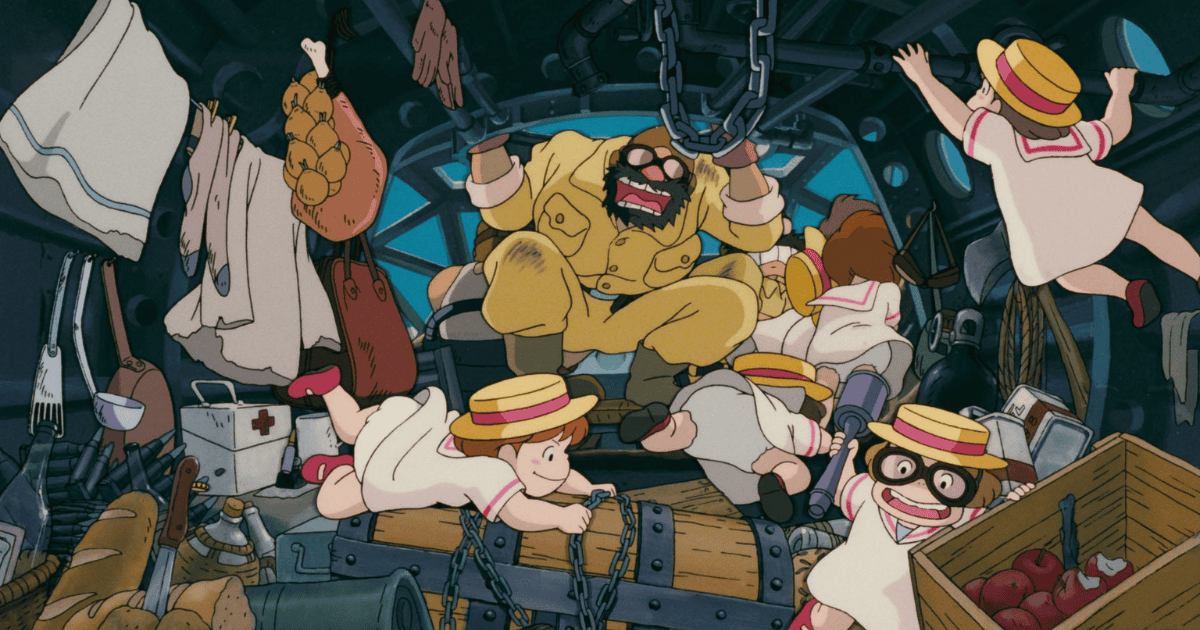
The Lovable Scoundrel
The Boss leads the Mamma Aiuto gang of air pirates, based in the Adriatic.
He begins the film by committing the appalling crime of kidnapping children and taking them hostage. Yet his reason for taking all of them is that it would be sad to leave one out, and his struggles to manage them make him seem like someone who does bad things without quite being a bad person.
That holds true across Porco Rosso: something serious seems to be happening, but the comic staging pulls it back just in time to make the film enjoyable.
That delicate balance may be one reason we love the film.
Donald Curtis | Voiced by: Cary Elwes
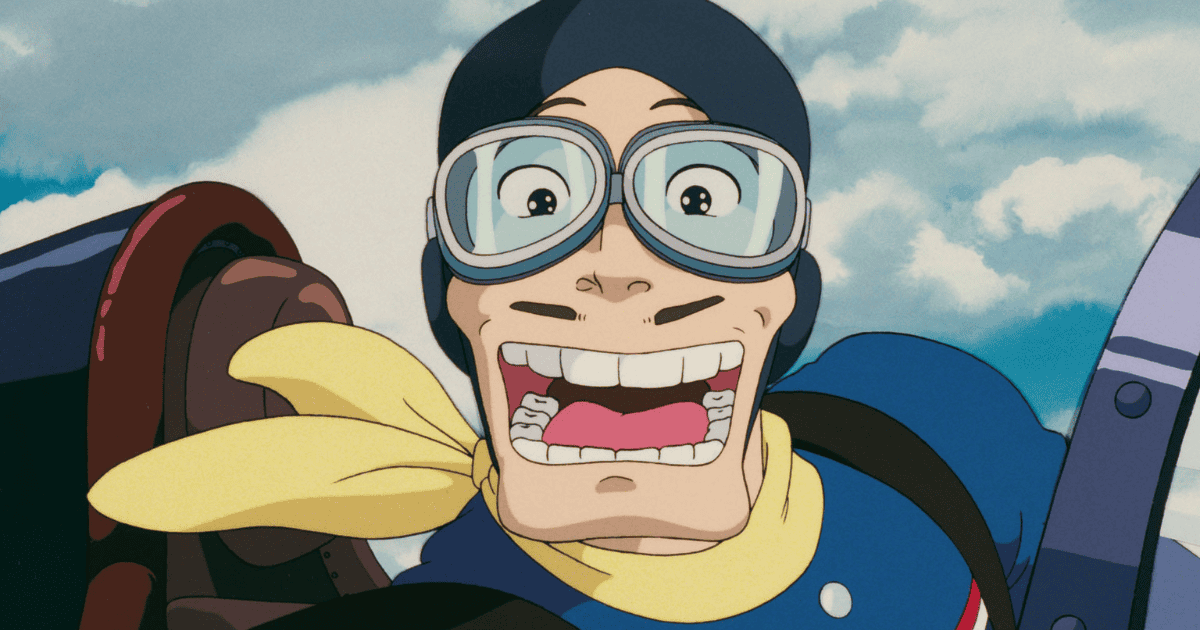
The Hollywood Hotshot
Curtis is an American of Italian ancestry. The air pirates, badly beaten by Porco early in the film, hire him as their hired gun. He is presented as the one pilot who can take Porco on.
For all his skill and his job as a hired gun, Curtis is a comic figure. Whether it is his personality or his Italian blood, he starts courting Gina and Fio almost as soon as he meets them.
He does seem serious about it: he properly proposes to both. Neither proposal gets him what he wants, but he hardly looks wounded. Italian blood again, perhaps?
Still… look at what he does in combat with Porco, and things get rather bloody.
In their first encounter, Curtis is trying to kill Porco and believes he has succeeded. Their second battle eventually turns comic, but at the outset he is again trying to kill him—even while Porco is, so to speak, playing around.
Curtis’s comic personality takes the edge off even those violent scenes. The result is that we can enjoy Porco Rosso as a fun film.
The same is true of the Boss, the other pirates, and everyone else in the film. The political situation, piracy, and aerial dogfights could all become deeply grim, yet the characters’ personalities make the story enjoyable to watch. That seems to me a particular strength of Miyazaki’s work.
Ferrarin | Voiced by: Tom Kenny
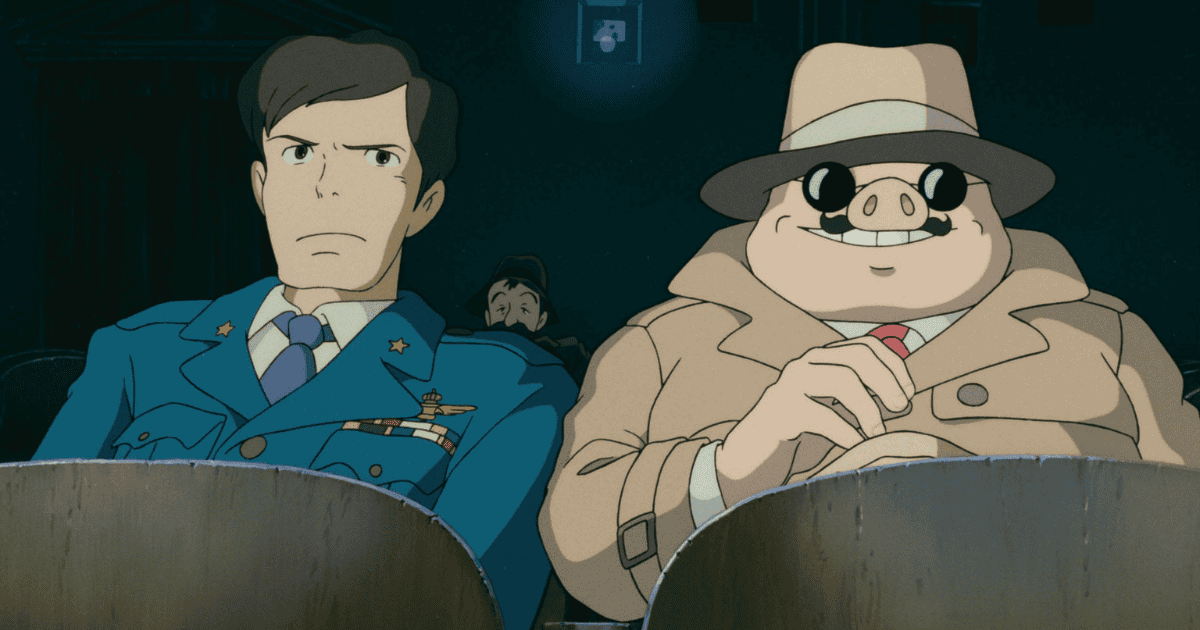
The Straight-Laced Comrade
A major in the Italian Air Force, Ferrarin fought alongside Porco in World War I.
Porco takes a cynical view of a world that changed its tune after the war. Ferrarin, by contrast, still faces life head-on.
Without choosing his present way of life, the war hero Porco might have ended up much like Ferrarin.
We cannot decide which way of living is “right,” but we can at least ask which we like, or find cooler. The answer will probably tell us something about ourselves.
I tend to think, “You can afford to be a pig because people like Ferrarin keep facing life head-on.” So, on balance, I prefer Ferrarin.
But perhaps that is only a reaction against my own attraction to the pig.
The Air Pirates
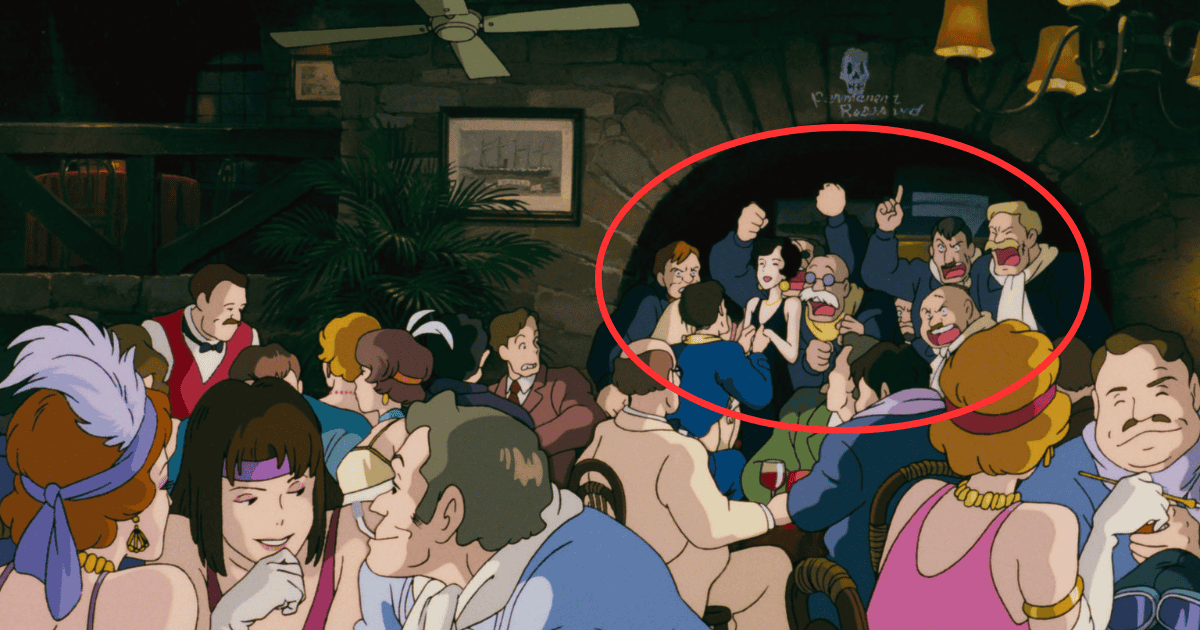
The Bumbling Coalition
Like the Mamma Aiuto gang, these groups make their living through piracy in the Adriatic. They do not always act together, but join forces for bigger jobs.
Their sworn enemy is Porco, the bounty hunter. They must resent his relationship with Gina, yet they keep returning to the Hotel Adriano well into old age.
Your Take
What is your view? Choose the answer that comes closest to your own response.
Reader poll
The images used in this article are from the “Studio Ghibli Still Images” collection.
Can you name the movie before the scene comes into focus?
Put your visual memory to the test with a blurred Studio Ghibli scene.


Reader Comments
Have a thought or interpretation? Leave a comment