
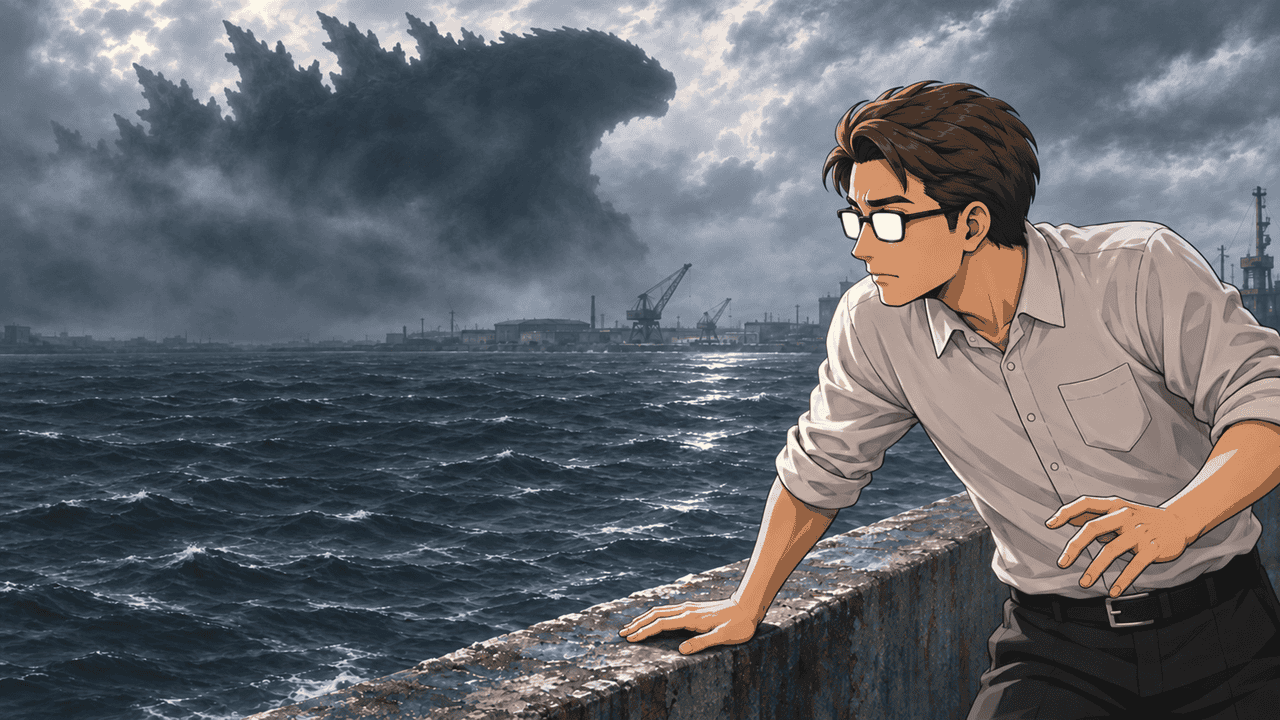
Verdict in brief
The visual spectacle and human drama are well worth watching. My reservation is harder to put into words: this feels like a sequel that only just holds on to what makes it Godzilla.
I would recommend Godzilla Minus Zero to anyone who enjoyed the human drama in Godzilla Minus One. The continuation of Shikishima, Noriko, and Akiko’s story is worth seeing, and the visuals are even more powerful than before. Personally, I also found fewer moments in the acting that took me out of the film, which made it easier to become absorbed in the story.
I was less satisfied, however, with how convincingly the film establishes the gigantic beings in its world. I recommend seeing it at the cinema, but if you expect too much from the monster battles, you may come away wanting more. In this spoiler-free review, I compare it with the previous film and explain my response through the question of what Godzilla means to me.
*This is a translated version. The original (Japanese) is available here.
On this pageContents
Is Godzilla Minus Zero Worth Seeing?
If you liked Godzilla Minus One, this sequel is worth seeing at the cinema. I would particularly recommend it as a continuation for viewers who were moved by the lives of Shikishima and the others in the previous film.
It also delivers plenty of spectacle as a monster film. To get the most out of it, though, I think it helps to be as interested in the human story as in the monster battles.
Who Should See Godzilla Minus Zero?
- Viewers who liked the human drama in Godzilla Minus One
- Anyone curious about what happens next to Shikishima, Noriko, and Akiko
- Those who want to experience the improved VFX on a big screen
- Viewers interested in the relationship between human grief, suffering, and Godzilla
Who Should Keep Their Expectations in Check?
- Anyone expecting lengthy monster battles to be the film’s main focus
- Those who want a film in which Godzilla appears frequently
- Viewers who want a thorough explanation of the new gigantic presence and its meaning
The fights themselves are impressive. But if you expect too many of them, or expect them to dominate the film, you may find that your expectations do not match what it offers.
Three Things I Liked
Even More Powerful Visuals Than Before
The most immediately impressive aspect was the visual spectacle. Godzilla Minus One was already a striking film, but I felt that the VFX had improved further here.
Rather than one particular scene standing above the rest, the film conveys a sense of visual progress throughout. Watching enormous beings move and collide was a pleasure on the big screen.
As I explain below, I have reservations about the monsters’ very presence in this world. Even so, the sheer force of the battles unfolding on screen deserves credit.
Fewer Distractions in the Acting, Greater Involvement in the Story
Compared with the previous film, I personally found fewer moments in the acting that distracted me. Again, this is an impression of the film as a whole, rather than a comment about any one performer.
Although I enjoyed Godzilla Minus One, parts of the acting drew my attention away from its story. That happened less often here, allowing me to respond more readily to the characters’ circumstances and emotions.
In a film where the human drama matters so much, this is a significant improvement. Alongside the advances in its visuals, I found its portrayal of people easier to engage with than in the previous film.
People Carrying the Wounds of War
I found the human drama moving. As well as following Shikishima, Noriko, and Akiko, the film introduces another character whose suffering gives us something to think about.
The end of a war and the continuation of everyday life do not erase what was lost, or heal every wound that people carry within them. Here, too, that pain is connected to the characters’ actions.
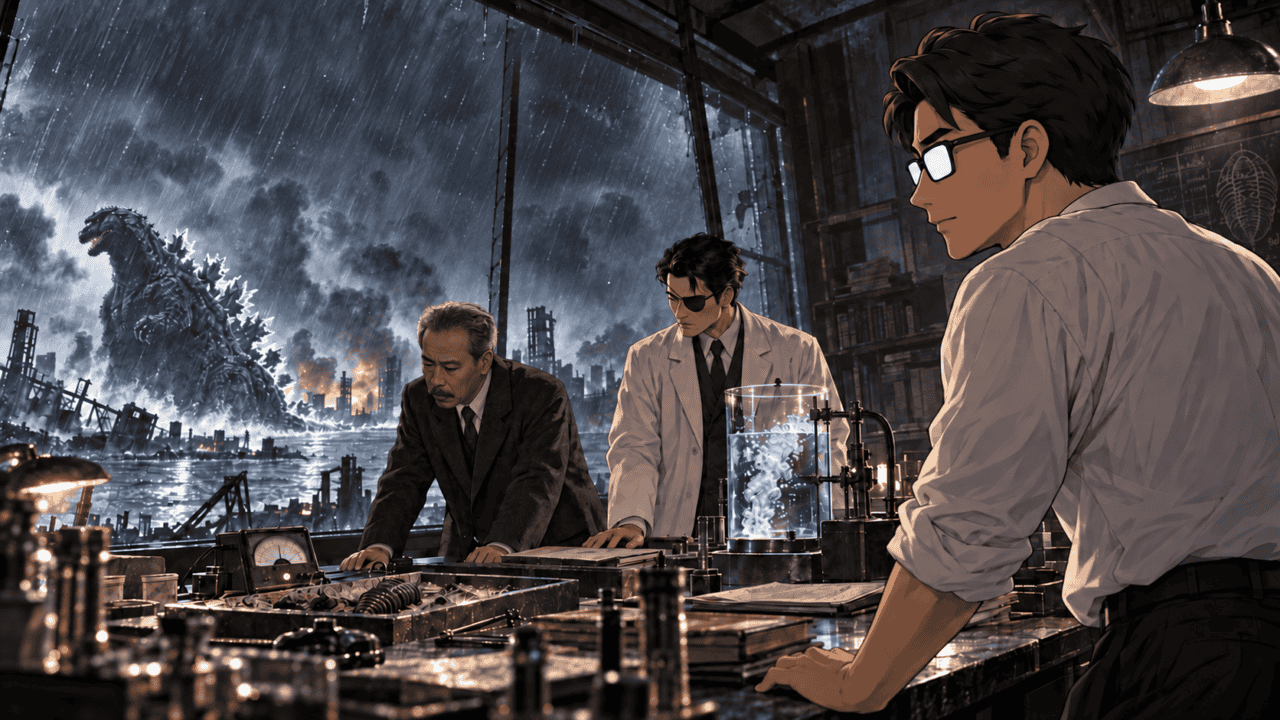
Without discussing specific developments, parts of the film reminded me of Dr. Serizawa in the original Godzilla. The suffering of those who lived through the war remains connected to the world of those who came after. That sense of connection is, for me, one of the strengths of this film’s human drama.
Godzilla as Human Grief and the Urge to Destroy
To me, Godzilla gives gigantic physical form to the characters’ grief, suffering, and urge to destroy. Perhaps he could even be described as a kind of vengeful spirit.
Dr. Serizawa in the original Godzilla, Goro Maki in Shin Godzilla, and Koichi Shikishima in Godzilla Minus One: I see a deep connection between what these characters carry within them and the image of Godzilla destroying a city.
That relationship seemed clearer in this film. By connecting human suffering with destruction on a gigantic scale, it makes this understanding of Godzilla easier to grasp.
This assessment does, however, rest on my own interpretation of Godzilla. I do not believe that every incarnation across the entire series carries the same meaning.
Why It Only Just Holds On to What Makes It Godzilla
An Opponent Makes Godzilla’s Will More Apparent
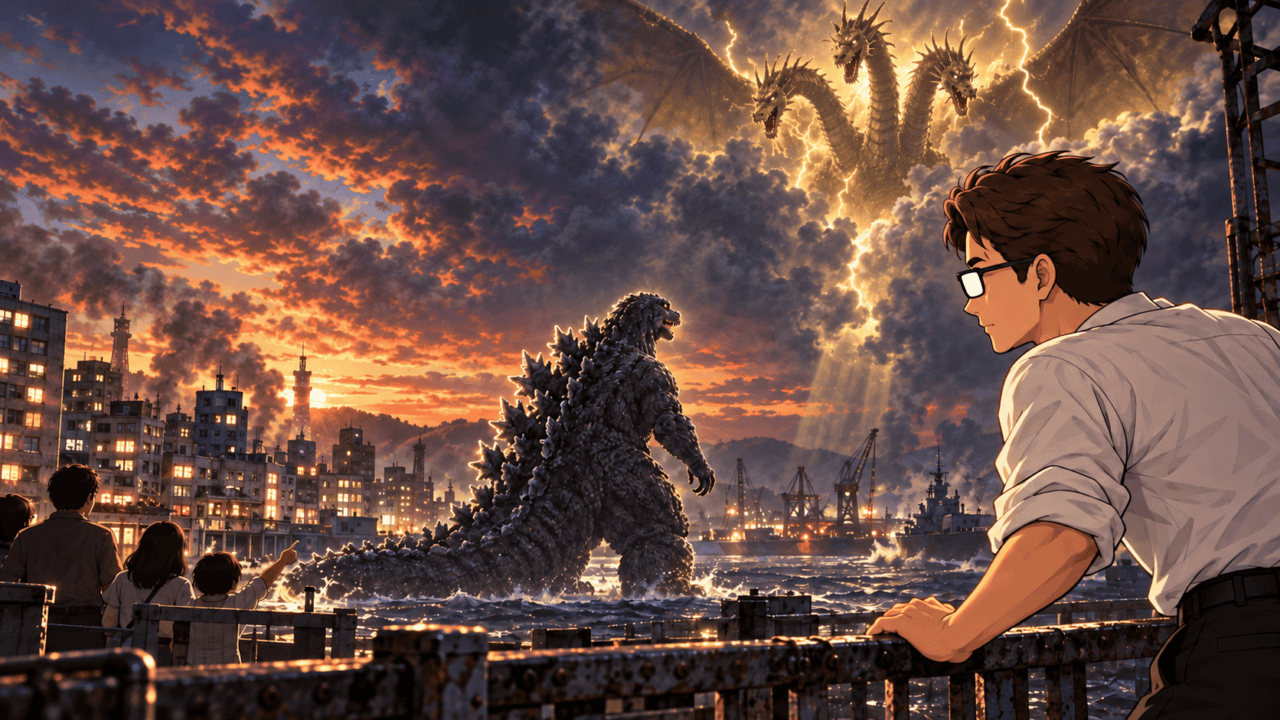
King Ghidorah appears in this film and fights Godzilla. Their clashes are powerful, but they also create a difficult problem for the kind of Godzilla I want to see.
What matters to me is that we cannot tell what Godzilla is thinking, and that his behavior does not reveal a human-like will. If he symbolizes human suffering and the urge to destroy, his meaning changes once he becomes a being that thinks for himself and acts with a purpose.
When Godzilla fights King Ghidorah, he begins to seem aware of his opponent and intent on confronting it as another living creature. To me, this felt like a step into a familiar pattern: Godzilla becoming more human as the sequels accumulate.
I also discuss this change in my article on how Shōwa-era Godzilla became a hero. Giving Godzilla an opponent to fight can profoundly change his character.
Limited Screen Time Keeps That Change in Check
Godzilla has quite limited screen time in this film, however. As a result, the impression of him as a character acting of his own will never comes to dominate the film as a whole.
That may disappoint anyone hoping to see a great deal of Godzilla in action. For me, though, his limited appearances seemed to keep that humanization within bounds.
Godzilla just barely remains a terrifying presence beyond human understanding. That was the precarious balance I felt while watching this film.
The New Threat Needs a Stronger Foundation
It Does Have a Role in the Story
King Ghidorah’s arrival has a role in moving the human story forward. The emergence of that threat gives a particular character a reason to act.
Without revealing the circumstances, I did feel there was a narrative reason for introducing King Ghidorah. The monster has a place in the human drama too.
That is one of the film’s strengths.
Why Does It Exist in This World?
Yet I finished the film without a clear sense of what King Ghidorah itself actually is.
This world already contains the strange, gigantic creature that is Godzilla. The film then adds another, even larger mystery. But it never sufficiently convinced me that such a being could exist as part of that world’s natural order.
To accept the premise of a giant monster, I want some foundation for its existence within the world of the film. I felt that this was lacking for King Ghidorah.
Its Symbolic Meaning Remains Unclear
I also had reservations about its symbolic meaning.
For me, Godzilla is connected to human grief, suffering, and the urge to destroy. That connection allows a battle with a monster to become a story about people confronting their own problems.
With King Ghidorah, however, I could not see what it was meant to symbolize. It may prompt people to act, but I found too little meaning in the monster’s own existence.
Being needed to move a story forward and having a convincing reason to exist within that story are two separate things. This film achieves the former, but remains weak on the latter. That is a major reason for my 3.0 rating.
Do You Need to See Godzilla Minus One First? Yes
You should watch Godzilla Minus One before seeing this film.
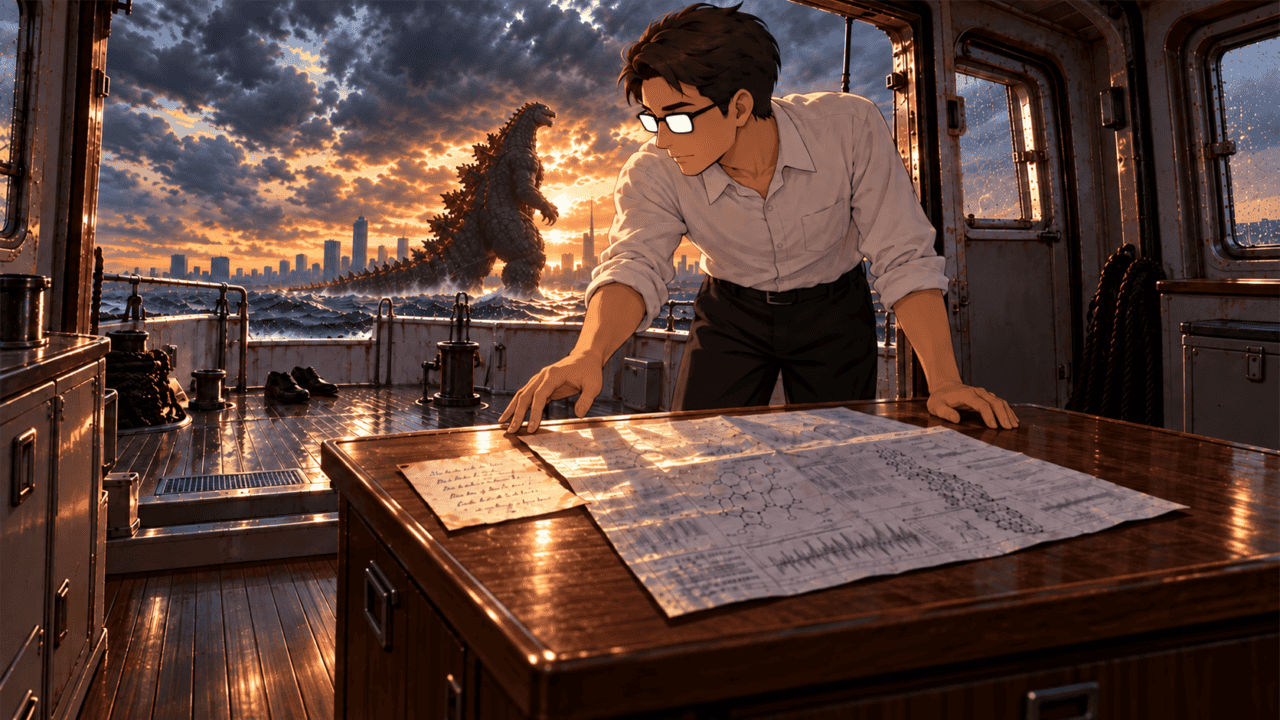
Since this is a continuation of Shikishima, Noriko, and Akiko’s story, it matters that you know what they experienced and how their relationships developed in the previous film. To appreciate the human drama fully, I consider the previous film essential viewing.
You do not need to watch a wide range of other Godzilla films beforehand. Start with Godzilla Minus One, then approach this as its continuation.
In fact, watching the original Godzilla or Shin Godzilla afterward may bring a fresh awareness of the homages, and of the relationship between human suffering and Godzilla.
Final Verdict: Spectacle, Human Drama, and the Meaning of Godzilla
Godzilla Minus Zero is a film I can recommend to viewers who liked the human drama in Godzilla Minus One. Shikishima and the others’ continuing story is worth following, and I was also moved by the suffering of a newly introduced character.
The visuals are more powerful, and I personally found fewer distracting moments in the acting. The monster fights are also well worth watching.
On the other hand, I found the basis for King Ghidorah’s existence unconvincing. Giving Godzilla an opponent also makes his will more apparent, and I felt him beginning to move away from the Godzilla I want to see.
Even so, his limited screen time keeps that change in check. To me, this is a film that only just holds on to Godzilla as a presence connected to human grief, suffering, and the urge to destroy.
My rating is 3.0 / 5.0. Overall, I recommend seeing it at the cinema. Viewers who liked the previous film’s human drama are especially likely to enjoy it. Rather than building your expectations around monster battles, approach it as a chance to follow Shikishima, Noriko, and Akiko’s lives, and its strengths should come through more clearly.

Reader Comments
Have a thought or interpretation? Leave a comment